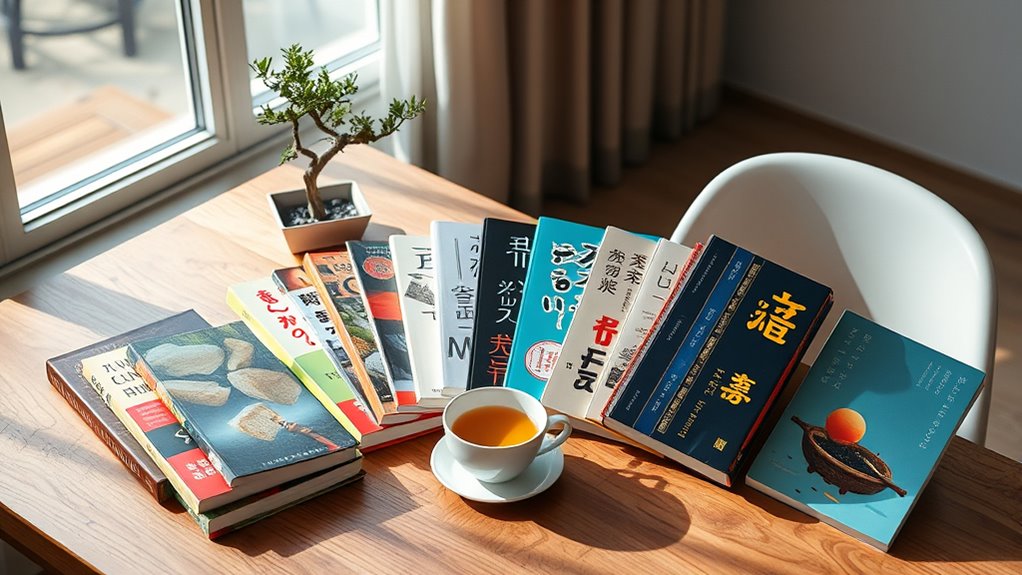

For readers searching for ikigai books in English, Ikigai: The Japanese Secret to a Long and Happy Life is my best overall pick for its broad introduction to purpose and daily well-being. The Little Book of Ikigai suits readers who want a compact starting point, while A Year of Ikigai is a better match for those who prefer regular prompts and reflection. The main tradeoff is between accessible overviews and books built around exercises, rituals, or related Japanese ideas. I compare all 14 options by focus, format, and likely reader fit below.

Turn your quiet moments into listening time
- Thousands of audiobooks, podcasts and originals
- Listen on your phone, tablet or Echo — also offline
- Cancel anytime
Key Takeaways
- The clearest starting point is an introductory book: Ikigai: The Japanese Secret to a Long and Happy Life offers a broad entry into the topic, while more specialized titles ask readers to focus on journaling, daily practice, or related philosophies.
- Format matters as much as the subject: My Little Ikigai Journal and A Year of Ikigai are geared toward active reflection, unlike shorter, more explanatory choices such as The Little Book of Ikigai.
- Some books widen the lens beyond ikigai: titles pairing ikigai with kaizen, hansei, or shinrin-yoku may appeal to readers seeking connected ideas, but may give less space to ikigai alone.
- There is meaningful overlap in this lineup: Awakening Your Ikigai appears twice, so readers should compare the listed edition details before treating those entries as distinct choices.
- The best fit depends on the kind of guidance wanted: practical rituals, everyday prompts, a concise overview, and a broader philosophy survey serve different reading goals.
| IKIGAI, KAIZEN & HANSEI: Find Your Life’s Purpose, Achieve Long-Lasting Happiness and Overcome Failures with the Wisdom of Japan |  | Best for Practical Personal Growth | Subject: Ikigai, Kaizen, and Hansei | Focus: Purpose, happiness, and overcoming setbacks | Approach: Practical personal growth | VIEW ON AMAZON | See Our Full Breakdown |
| The Ikigai Path: The Japanese Philosophy for Finding Joy, Purpose, and Meaning in Everyday Life |  | Best for Everyday Meaning | Subject: Ikigai | Cultural context: Japanese philosophy | Focus: Joy, purpose, and meaning | VIEW ON AMAZON | See Our Full Breakdown |
| Awakening Your Ikigai: How the Japanese Wake Up to Joy and Purpose Every Day |  | Best for Cultural Context | Subject: Ikigai | Focus: Purpose and daily joy | Cultural perspective: Japanese cultural insights | VIEW ON AMAZON | See Our Full Breakdown |
| My Little Ikigai Journal: A Journey into the Japanese Secret to Living a Long, Happy, Purpose-Filled Life |  | Best for Guided Journaling | Subject: Ikigai | Format: Journal, as indicated by the title | Focus: Long, happy, purpose-filled life | VIEW ON AMAZON | See Our Full Breakdown |
| The Little Book of Ikigai |  | Best Compact Introduction | Subject: Ikigai | Format: Book | Scope: Focused on ikigai | VIEW ON AMAZON | See Our Full Breakdown |
| A Year of Ikigai: Finding Everyday Purpose Through Japanese Wisdom |  | Best for Everyday Reflection | Title: A Year of Ikigai: Finding Everyday Purpose Through Japanese Wisdom | ASIN: 1577155483 | Language: English-language roundup listing; product language not specified | VIEW ON AMAZON | See Our Full Breakdown |
| Ikigai: The Japanese Secret to a Long and Happy Life |  | Best-Known Starting Point | Title: Ikigai: The Japanese Secret to a Long and Happy Life | ASIN: 0143130722 | Language: English-language roundup listing; product language not specified | VIEW ON AMAZON | See Our Full Breakdown |
| Awakening Your Ikigai: How the Japanese Wake Up to Joy and Purpose Every Day |  | Best for Daily Joy and Purpose | Title: Awakening Your Ikigai: How the Japanese Wake Up to Joy and Purpose Every Day | ASIN: B0CQKB98Z5 | Language: English-language roundup listing; product language not specified | VIEW ON AMAZON | See Our Full Breakdown |
| Ikigai and Japanese Philosophy: 3 Books in 1 (Ikigai, Kaizen, and Shinrin-yoku) |  | Best Multi-Concept Collection | Title: Ikigai and Japanese Philosophy: 3 Books in 1 (Ikigai, Kaizen, and Shinrin-yoku) | ASIN: B0DSWJZXKV | Collection format: Book Collection | VIEW ON AMAZON | See Our Full Breakdown |
| Ikigai, Kaizen & Hansei: A Guide to a Meaningful Life |  | Best for Purpose and Self-Review | Title: Ikigai, Kaizen & Hansei: A Guide to a Meaningful Life | ASIN: B0CZ3NJZY7 | Topics: Ikigai, Kaizen, and Hansei | VIEW ON AMAZON | See Our Full Breakdown |
| How to Ikigai: Lessons for Finding Happiness and Living Your Life’s Purpose |  | Best for Balanced Living | Title: How to Ikigai: Lessons for Finding Happiness and Living Your Life’s Purpose | Subject: Ikigai | Focus: Happiness and life purpose | VIEW ON AMAZON | See Our Full Breakdown |
| Ikigai: Find Your Happiness |  | Best for Mindful Reflection | Title: Ikigai: Find Your Happiness | Subject: Japanese concept of ikigai | Focus: Purpose and happiness | VIEW ON AMAZON | See Our Full Breakdown |
| IKIGAI in ACTION: Simple Rituals for Clarity, Rhythm, and Inner Direction |  | Best for Everyday Practice | Title: IKIGAI in ACTION: Simple Rituals for Clarity, Rhythm, and Inner Direction | Subject: Ikigai | Focus: Clarity, rhythm, and inner direction | VIEW ON AMAZON | See Our Full Breakdown |
| Ikigai: The Japanese Art of a Meaningful Life |  | Best for a Straightforward Introduction | Title: Ikigai: The Japanese Art of a Meaningful Life | ASIN: 0857834916 | Format: Book | VIEW ON AMAZON | See Our Full Breakdown |
| ikigai books english | Subject | Focus | Language | Format |
|---|---|---|---|---|
| IKIGAI | Ikigai, Kaizen, and Hansei | Purpose, happiness, and overcoming setbacks | English, as listed in the roundup | — |
| The Ikigai Path: The Japanese | Ikigai | Joy, purpose, and meaning | English, as listed in the roundup | Book |
| Awakening Your Ikigai: How the | Ikigai | Purpose and daily joy | English, as listed in the roundup | — |
| My Little Ikigai Journal: A Jo | Ikigai | Long, happy, purpose-filled life | English, as listed in the roundup | Journal, as indicated by the title |
| The Little Book of Ikigai | Ikigai | — | English, as listed in the roundup | Book |
| A Year of Ikigai: Finding Ever | — | Finding everyday purpose through Japanese wisdom | English-language roundup listing; product language not specified | — |
| Ikigai: The Japanese Secret to | — | — | English-language roundup listing; product language not specified | Not provided in product data |
| Awakening Your Ikigai: How the | — | — | English-language roundup listing; product language not specified | — |
| Ikigai and Japanese Philosophy | — | — | — | — |
| Ikigai | — | — | — | Not provided in product data |
| How to Ikigai: Lessons for Fin | Ikigai | Happiness and life purpose | — | Not specified |
| Ikigai: Find Your Happiness | Japanese concept of ikigai | Purpose and happiness | — | Not specified |
| IKIGAI in ACTION: Simple Ritua | Ikigai | Clarity, rhythm, and inner direction | — | Not specified |
| Ikigai: The Japanese Art of a | Ikigai | Meaning and purpose | Not specified | Book |
More Details on Our Top Picks
IKIGAI, KAIZEN & HANSEI: Find Your Life’s Purpose, Achieve Long-Lasting Happiness and Overcome Failures with the Wisdom of Japan
IKIGAI, KAIZEN & HANSEI is the most action-oriented choice here: it links purpose and happiness with Kaizen’s incremental improvement and Hansei’s reflection on setbacks. Daily reflections and actionable steps give readers a way to turn broad ideas into repeated practice, rather than keeping the book at the level of inspiration. Compared with The Little Book of Ikigai, this title has a wider self-development scope, which may appeal if you want several Japanese concepts in one guide. That breadth is also its tradeoff: the supplied description does not explain how deeply each philosophy is treated, and the emphasis extends beyond ikigai itself. I’d choose it for structured reflection, but not for readers seeking a focused or scholarly account of ikigai.
Pros:- Combines ikigai with Kaizen and Hansei
- Includes daily reflections
- Offers actionable steps for personal growth
- Connects purpose and happiness with handling setbacks
Cons:- The available description does not establish how deeply each philosophy is covered
- Its multi-philosophy scope may be less focused than an ikigai-specific title
- The provided data does not identify its length or intended audience
Best for: Readers who want daily prompts and practical personal-growth steps drawing on several Japanese philosophies
Not ideal for: Readers seeking a detailed, ikigai-only explanation or clear information about the book’s depth and structure
- Subject:Ikigai, Kaizen, and Hansei
- Focus:Purpose, happiness, and overcoming setbacks
- Approach:Practical personal growth
- Activities:Daily reflections
- Guidance:Actionable steps
- Language:English, as listed in the roundup
Our verdict“Choose this if you want a practical reflection routine spanning purpose, gradual improvement, and learning from setbacks.”
The Ikigai Path: The Japanese Philosophy for Finding Joy, Purpose, and Meaning in Everyday Life
The Ikigai Path is framed around bringing purpose and meaning into ordinary life, making it a natural fit for readers more interested in daily perspective than a multi-concept program. Its stated focus is narrower than IKIGAI, KAIZEN & HANSEI, which also addresses improvement and setbacks through other philosophies. That narrower promise may be easier to connect with if your main question is how ikigai relates to everyday joy. The limitation is the sparse product information: beyond its subject and focus, the listing supplies no account of its methods, structure, or depth. I’d treat it as a straightforward ikigai-themed option, not a known workbook or research-led guide. Readers who need specific exercises or a detailed description before choosing may prefer a title with clearer supporting details.
Pros:- Keeps its stated focus on ikigai
- Connects the concept with everyday joy and purpose
- Addresses meaning in ordinary life
- Book format is specified in the supplied product data
Cons:- The product information gives no details about structure or teaching method
- No exercises or practical activities are specified
- The available description does not establish the depth of its treatment
Best for: Readers looking for an English-language introduction framed around purpose and meaning in everyday life
Not ideal for: Buyers who want confirmed exercises, chapter-level detail, or evidence of a particular teaching approach
- Subject:Ikigai
- Cultural context:Japanese philosophy
- Focus:Joy, purpose, and meaning
- Application:Everyday life
- Format:Book
- Language:English, as listed in the roundup
Our verdict“Pick this for a simply framed exploration of everyday meaning, but choose a more fully described guide if you need a defined method.”
Awakening Your Ikigai: How the Japanese Wake Up to Joy and Purpose Every Day
Awakening Your Ikigai pairs discovering purpose with the idea of finding joy each day, while drawing on Japanese cultural insights. That cultural framing gives it a different angle from The Ikigai Path, whose supplied description focuses on meaning in everyday life without specifying cultural material. The listing also promises practical advice, so this may suit readers who want both context and guidance rather than a purely reflective overview. Its tradeoff is that the description does not identify specific exercises or provide detailed evidence for its claims; some advice may also feel less directly transferable to readers outside the cultural setting discussed. I’d rank it above less-detailed options for its stated blend of culture and practice, but readers wanting a research-heavy treatment should seek more explicit sourcing.
Pros:- Combines purpose with everyday joy
- Includes Japanese cultural insights
- Promises practical advice
- Offers a more culturally framed description than The Ikigai Path
Cons:- The supplied information does not detail the evidence behind its guidance
- The description does not name specific exercises or activities
- Some cultural framing may feel less directly applicable to readers outside Japan
Best for: Readers who want practical guidance about purpose alongside Japanese cultural perspective
Not ideal for: Readers who prioritize detailed scientific evidence or advice explicitly tailored to life outside Japanese cultural contexts
- Subject:Ikigai
- Focus:Purpose and daily joy
- Cultural perspective:Japanese cultural insights
- Approach:Practical advice
- Intended outcome:A meaningful and fulfilled life
- Language:English, as listed in the roundup
Our verdict“Choose this if cultural perspective and practical advice matter more to you than a clearly documented research base.”
My Little Ikigai Journal: A Journey into the Japanese Secret to Living a Long, Happy, Purpose-Filled Life
My Little Ikigai Journal is the journal-format pick in this group, making it the clearest choice for readers who would rather write and reflect than only read explanations. Its title links ikigai with a long, happy, purpose-filled life, while the journal framing suggests a more personal, interactive experience than Awakening Your Ikigai, which is described as offering advice and cultural insights. That format distinction matters: journaling can give readers room to connect ideas to their own lives, but the supplied description does not confirm particular prompts, exercises, or how the journal is organized. I’d select it for a hands-on reflection habit, not as a substitute for a detailed account of Japanese philosophy. Readers who prefer a continuous explanatory text may be better served by a conventional book.
Pros:- Journal format invites personal reflection
- Connects ikigai with happiness and purpose
- Presents the subject as a personal journey
- Offers a different format from advice-focused titles such as Awakening Your Ikigai
Cons:- The supplied description does not confirm what prompts or exercises are included
- No details are provided about its structure or depth
- Journal format may not suit readers seeking continuous explanatory text
Best for: Readers who want a journal-led way to reflect on purpose, happiness, and their own daily life
Not ideal for: Readers who want a clearly described philosophical explanation, specific confirmed prompts, or a conventional advice-focused book
- Subject:Ikigai
- Format:Journal, as indicated by the title
- Focus:Long, happy, purpose-filled life
- Approach:Personal reflection
- Cultural framing:Japanese concept
- Language:English, as listed in the roundup
Our verdict“Choose this if you want to write through questions of purpose yourself, rather than rely on a primarily explanatory guide.”
The Little Book of Ikigai
The Little Book of Ikigai stands out as a straightforward option for readers who want a book devoted to the concept of ikigai, without the extra subjects covered in IKIGAI, KAIZEN & HANSEI. Its title signals a compact treatment, which may appeal if you want a focused starting point rather than a broader personal-growth program. The tradeoff is that the supplied description offers no details about its approach, practical guidance, or depth, so I can’t recommend it specifically for exercises or cultural analysis. Compared with My Little Ikigai Journal, it is presented as a book rather than a journal, making it the more natural fit for readers who prefer to read an explanation instead of writing through prompts. Choose it for focus and simplicity, not for a confirmed curriculum.
Pros:- Keeps its subject focused on ikigai
- Book format suits readers who prefer reading to journaling
- Avoids the broader multi-philosophy scope of IKIGAI, KAIZEN & HANSEI
- The title presents it as a compact option
Cons:- The supplied description gives no detail about its teaching approach
- Practical exercises are not specified
- Its depth and structure are not established in the available product data
Best for: Readers who want a focused, book-format introduction to ikigai without additional Japanese philosophies
Not ideal for: Readers who need confirmed journaling prompts, practical exercises, or a detailed account of the book’s contents before choosing
- Subject:Ikigai
- Format:Book
- Scope:Focused on ikigai
- Cultural context:Japanese concept
- Language:English, as listed in the roundup
- Title positioning:Little book
Our verdict“Pick this for a focused, book-format entry point to ikigai, but not if you need verified exercises or detailed content information.”
A Year of Ikigai: Finding Everyday Purpose Through Japanese Wisdom
A Year of Ikigai is the most fitting choice here for readers drawn to the idea of finding purpose in ordinary days, rather than treating ikigai as a single life goal to discover. Its title signals an everyday-practice approach, which sets it apart from Ikigai: The Japanese Secret to a Long and Happy Life, a better-known framing that connects the concept to longevity and happiness. The available product information is sparse, though, so I can’t verify whether the book includes daily prompts, a yearlong structure, or specific exercises; I would not buy it on those assumptions. This pick makes the most sense if its everyday-purpose focus is what you want and you are comfortable with limited detail before purchase. Readers seeking a clearly described set of practical methods may prefer a title with more information available.
Pros:- Focuses specifically on finding everyday purpose
- Frames ikigai through Japanese wisdom
- The title makes its practical, daily-life theme clear
Cons:- Available product data does not describe the book’s structure or exercises
- Author, format, and publication details are not provided
- The depth and approach cannot be compared confidently from the supplied information
Best for: Readers looking for an English-language book centered on finding purpose in ordinary routines, who are comfortable choosing from limited product details.
Not ideal for: Buyers who want confirmed daily exercises, a detailed contents list, or substantial author and edition information before choosing.
- Title:A Year of Ikigai: Finding Everyday Purpose Through Japanese Wisdom
- ASIN:1577155483
- Language:English-language roundup listing; product language not specified
- Topic:Ikigai
- Focus:Finding everyday purpose through Japanese wisdom
- Author:Not provided in product data
Our verdict“Choose this if everyday purpose is your main interest, but skip it if you need confirmed exercises or fuller product details.”
Ikigai: The Japanese Secret to a Long and Happy Life
Ikigai: The Japanese Secret to a Long and Happy Life is the clearest pick in this group for readers who want a broad introduction connecting ikigai with happiness and longevity. That framing gives it a wider lens than A Year of Ikigai, whose title puts more emphasis on everyday purpose, and a narrower one than the three-concept collections that also cover Kaizen or Shinrin-yoku. The tradeoff is that the title’s promise spans several large ideas, so readers seeking a tightly focused workbook or a step-by-step personal plan may want a more explicitly practical book. Product details supplied here do not confirm format, author, or contents, so I would avoid assuming a particular reading style. It suits someone starting with the familiar longevity-and-meaning angle, rather than someone already looking for specialized exercises.
Pros:- Clearly connects ikigai with happiness and longevity
- Offers a broad entry point for readers new to the topic
- Keeps the focus on ikigai rather than bundling several concepts
Cons:- The broad title may not satisfy readers seeking a focused action plan
- Supplied product data does not confirm its methods or chapter structure
- Author and format details are absent from the provided information
Best for: First-time ikigai readers interested in the connection between purpose, happiness, and a long life.
Not ideal for: Readers who want a confirmed workbook, structured daily prompts, or coverage limited to practical purpose-finding exercises.
- Title:Ikigai: The Japanese Secret to a Long and Happy Life
- ASIN:0143130722
- Language:English-language roundup listing; product language not specified
- Topic:Ikigai
- Stated focus:The Japanese secret to a long and happy life
- Format:Not provided in product data
Our verdict“Pick this for a broad introduction to ikigai’s meaning-and-longevity framing, not for a verified workbook or narrow how-to guide.”
Awakening Your Ikigai: How the Japanese Wake Up to Joy and Purpose Every Day
Awakening Your Ikigai foregrounds the everyday experience of joy and purpose, making it a natural match for readers who want the concept tied to daily life. Compared with Ikigai: The Japanese Secret to a Long and Happy Life, its title promises a more immediate focus on waking up to purpose, rather than a broad connection between ikigai, happiness, and longevity. The supplied description confirms the subject but not the format, exercises, or how the book develops its guidance; the promise should not be mistaken for evidence of a daily routine or workbook. It also overlaps with A Year of Ikigai, so the choice between them may come down to whether you prefer the language of daily awakening or a yearlong everyday-purpose theme. Readers wanting a clearly documented method should seek fuller contents information first.
Pros:- Directly addresses joy and purpose in daily life
- Clearly centers the Japanese concept of ikigai
- Its everyday framing distinguishes it from longevity-focused introductions
Cons:- Product information does not explain the book’s structure or practical exercises
- Its daily-life theme overlaps with A Year of Ikigai
- Author and format are not specified in the supplied data
Best for: Readers who want an accessible introduction framed around bringing joy and purpose into everyday life.
Not ideal for: Buyers who need confirmed prompts, a structured practice plan, or a detailed description of the book’s contents.
- Title:Awakening Your Ikigai: How the Japanese Wake Up to Joy and Purpose Every Day
- ASIN:B0CQKB98Z5
- Language:English-language roundup listing; product language not specified
- Topic:Ikigai
- Stated focus:Joy and purpose in everyday life
- Author:Not provided in product data
Our verdict“Choose this for a daily-joy framing of ikigai, but compare it with A Year of Ikigai if you want an everyday-purpose focus.”
Ikigai and Japanese Philosophy: 3 Books in 1 (Ikigai, Kaizen, and Shinrin-yoku)
Ikigai and Japanese Philosophy: 3 Books in 1 is the widest-ranging option in this set: it pairs ikigai with Kaizen, or continuous improvement, and Shinrin-yoku, or nature immersion. That makes it a stronger fit for readers who want several connected self-help themes in one collection than Ikigai: The Japanese Secret to a Long and Happy Life, which is framed around ikigai itself. The breadth is also the main compromise: the product data cautions that each topic may receive less depth than in a standalone book. I would choose it for variety and a broad introduction, not for a thorough study of ikigai or a detailed guide to any one practice. The supplied information names the three themes but gives no author or publication details, so the collection’s specific approach remains unclear.
Pros:- Combines ikigai, Kaizen, and Shinrin-yoku in one collection
- Connects purpose with improvement and nature-based well-being
- Provides a broad introduction to several Japanese concepts
Cons:- May offer less depth on each topic than standalone books
- No author or publication details are supplied
- The available description does not clarify how the three subjects are organized
Best for: Readers who want one introductory collection covering ikigai, continuous improvement, and nature-based well-being.
Not ideal for: Readers seeking in-depth treatment of ikigai alone or verified author, publication, and chapter details.
- Title:Ikigai and Japanese Philosophy: 3 Books in 1 (Ikigai, Kaizen, and Shinrin-yoku)
- ASIN:B0DSWJZXKV
- Collection format:Book Collection
- Topics:Ikigai, Kaizen, and Shinrin-yoku
- Stated focus:Purpose, continuous improvement, and well-being through nature immersion
- Author:Not provided in product data
Our verdict“Pick this for variety across three Japanese concepts, but choose a single-topic title for more focused ikigai reading.”
Ikigai, Kaizen & Hansei: A Guide to a Meaningful Life
Ikigai, Kaizen & Hansei combines purpose with improvement and reflection: the supplied description links ikigai to meaning, Kaizen to personal productivity, and Hansei to inner peace. Compared with Ikigai and Japanese Philosophy: 3 Books in 1, this collection substitutes Hansei for Shinrin-yoku, so it is the more relevant choice for readers drawn to reflection rather than nature immersion. The description promises a guide to a meaningful life, but it does not establish how the three ideas are explained or whether the book provides exercises. That makes this a broad thematic introduction, not a confirmed productivity system or a deep standalone account of ikigai. I would choose it when the combination of purpose and self-review is the draw; readers primarily interested in nature-based well-being should pick the other three-topic collection instead.
Pros:- Covers ikigai, Kaizen, and Hansei in one guide
- Connects meaning with personal growth and productivity
- Offers a distinct alternative to collections centered on Shinrin-yoku
Cons:- The supplied description does not explain the book’s structure or exercises
- Three concepts in one guide may limit depth on ikigai
- Author and format details are not provided
Best for: Readers interested in combining purpose with personal improvement and reflective self-review.
Not ideal for: Readers who want nature-immersion guidance, a single-topic ikigai book, or confirmed exercises and contents details.
- Title:Ikigai, Kaizen & Hansei: A Guide to a Meaningful Life
- ASIN:B0CZ3NJZY7
- Topics:Ikigai, Kaizen, and Hansei
- Stated focus:Meaning, inner peace, and personal productivity
- Format:Not provided in product data
- Author:Not provided in product data
Our verdict“Choose this if you want ikigai paired with improvement and reflection; choose the Shinrin-yoku collection if nature is a priority.”
How to Ikigai: Lessons for Finding Happiness and Living Your Life’s Purpose
How to Ikigai suits readers who want a broad introduction connecting purpose with happiness, longevity, and a peaceful daily life. Its emphasis on balance and purposeful living gives it a wider lifestyle focus than IKIGAI in ACTION, which centers more specifically on rituals and daily rhythm. That breadth may help readers who are still figuring out which part of ikigai matters most to them. The tradeoff is that the available description does not identify specific exercises or a step-by-step method, so readers seeking structured activities may prefer a journal or the ritual-centered approach of IKIGAI in ACTION. I’d choose this for reflective reading rather than as a workbook, while recognizing that its promised themes are clearer than its practical detail.
Pros:- Connects purpose with happiness and a peaceful lifestyle
- Includes longevity as part of its broad view of well-being
- Offers an approachable entry point for readers exploring ikigai
Cons:- The provided description gives little detail about its methods or chapter content
- No specific exercises or workbook features are identified
- Its broad scope may feel less actionable than a ritual-focused book
Best for: Readers new to ikigai who want an accessible, broad look at purpose, happiness, and balanced living.
Not ideal for: Readers who want a clearly described workbook, detailed exercises, or a concrete daily practice plan.
- Title:How to Ikigai: Lessons for Finding Happiness and Living Your Life’s Purpose
- Subject:Ikigai
- Focus:Happiness and life purpose
- Additional themes:Longevity, peaceful living, and balance
- Approach:Lessons and insights
- Format:Not specified
Our verdict“Choose this for a broad, reflective introduction to purposeful and balanced living, not for a detailed workbook.”
Ikigai: Find Your Happiness
Ikigai: Find Your Happiness puts mindfulness and meaningful connections alongside the familiar themes of purpose and fulfillment. That makes it a better fit for readers who see ikigai as something shaped by how they live and relate to others, rather than only by career direction. Compared with How to Ikigai, whose description also highlights longevity and peaceful balance, this title leans more toward intentional living and connection. Its limitation is a lack of detail about exercises: the guidance is described as practical, but no specific activities are identified. Readers who want a repeatable routine may find IKIGAI in ACTION a clearer match. I’d pick this for a philosophical, reflective reading experience, while skipping it if a defined workbook structure is the main priority.
Pros:- Links ikigai with mindfulness and intentional living
- Highlights meaningful connections as part of fulfillment
- Addresses purpose and happiness in an accessible way
Cons:- The available description does not specify practical exercises
- Its philosophical emphasis may not suit readers seeking a direct how-to guide
- No format or length details are provided
Best for: Readers interested in connecting purpose with mindfulness, intentional choices, and relationships.
Not ideal for: Readers who need detailed prompts, hands-on exercises, or a clearly laid-out action plan.
- Title:Ikigai: Find Your Happiness
- Subject:Japanese concept of ikigai
- Focus:Purpose and happiness
- Related themes:Mindfulness, intentional living, and meaningful connections
- Approach:Guidance for personal fulfillment
- Format:Not specified
Our verdict“Pick this for reflective reading about purpose, mindfulness, and connection; choose a more structured title for exercises.”
IKIGAI in ACTION: Simple Rituals for Clarity, Rhythm, and Inner Direction
IKIGAI in ACTION is the most explicitly practice-oriented choice in this group: its promise centers on simple rituals for clarity, rhythm, and inner direction. That focus gives it a more immediate daily-life angle than Ikigai: Find Your Happiness, which is framed around mindfulness and meaningful connections, or How to Ikigai, which takes a broader view of balance and well-being. The appeal is clear for readers who want to turn reflection into routine. The tradeoff is that the available description does not explain what the rituals involve, how often to use them, or how the book is organized. I’d choose it for its practical premise, but readers who want to preview a detailed method may prefer a title with more specific content information.
Pros:- Centers on practical rituals rather than only broad reflection
- Targets clarity, rhythm, and personal direction
- Connects ikigai with everyday personal growth
Cons:- The available description does not explain the rituals in detail
- No information is provided about structure, length, or format
- Readers seeking a philosophical overview may prefer a broader introduction
Best for: Readers who want small, repeatable rituals to bring more clarity and direction into everyday life.
Not ideal for: Readers who want a detailed account of the book’s exercises or a clearly documented step-by-step program before choosing.
- Title:IKIGAI in ACTION: Simple Rituals for Clarity, Rhythm, and Inner Direction
- Subject:Ikigai
- Focus:Clarity, rhythm, and inner direction
- Approach:Simple rituals
- Intended use:Personal growth and self-discovery
- Format:Not specified
Our verdict“Choose this if daily rituals appeal more than broad reflection, while accepting that their exact form is not specified.”
Ikigai: The Japanese Art of a Meaningful Life
Ikigai: The Japanese Art of a Meaningful Life has the clearest, broadest premise in its title: an introduction to ikigai through the idea of meaning and purpose. That straightforward framing may appeal to readers who want to explore the central concept without being promised a specific routine or a focus on longevity. Compared with IKIGAI in ACTION, it sounds less geared toward daily rituals; compared with How to Ikigai, the supplied information makes fewer claims about happiness or balanced living. That restraint is useful for setting expectations, but it also leaves buyers with little evidence about the book’s content, structure, or practical depth. I’d treat it as a simple concept-led option, not a known workbook or detailed guide, since no further product details are available.
Pros:- Has a clear focus on meaning and purpose
- Presents ikigai as a subject for accessible exploration
- Its title sets a straightforward expectation without promising a specific program
Cons:- No further content details are provided
- The available information does not confirm exercises or practical guidance
- Its depth and structure are difficult to judge from the supplied data
Best for: Readers who want a title focused on the basic idea of ikigai as a meaningful life.
Not ideal for: Buyers who need confirmed details about exercises, chapter structure, format beyond book, or practical guidance.
- Title:Ikigai: The Japanese Art of a Meaningful Life
- ASIN:0857834916
- Format:Book
- Subject:Ikigai
- Focus:Meaning and purpose
- Language:Not specified
Our verdict“Consider this for a concept-led introduction to meaning through ikigai, but choose a better-documented title if you need a defined method.”

How We Picked
I ranked these books by how clearly their stated focus helps a reader choose a path into ikigai: an accessible overview, guided reflection, ongoing prompts, practical routines, or a wider look at Japanese philosophies. I also considered how focused each title appears to be. A book centered on ikigai may suit someone seeking a sustained introduction, while a combined guide to kaizen, hansei, or shinrin-yoku trades depth on one concept for a broader set of ideas.
My order favors books that appear most approachable to a general reader first, then separates titles by format and specialization rather than treating every book as interchangeable. Journals and year-long prompt books rank well for readers who want an activity-based approach, but they are not automatically better for someone who simply wants to understand the concept. The lineup includes a repeated Awakening Your Ikigai title, so I treat the two entries as an edition-check rather than inventing a difference not shown in the supplied titles.
| ikigai books english | Subject | Language | Format |
|---|---|---|---|
| IKIGAI | Ikigai, Kaizen, and Hansei | English, as listed in the roundup | — |
| The Ikigai Path: The Japanese | Ikigai | English, as listed in the roundup | Book |
| Awakening Your Ikigai: How the | Ikigai | English, as listed in the roundup | — |
| My Little Ikigai Journal: A Jo | Ikigai | English, as listed in the roundup | Journal, as indicated by the title |
| The Little Book of Ikigai | Ikigai | English, as listed in the roundup | Book |
| A Year of Ikigai: Finding Ever | — | English-language roundup listing; product language not specified | — |
| Ikigai: The Japanese Secret to | — | English-language roundup listing; product language not specified | Not provided in product data |
| Awakening Your Ikigai: How the | — | English-language roundup listing; product language not specified | — |
| Ikigai and Japanese Philosophy | — | — | — |
| Ikigai | — | — | Not provided in product data |
| How to Ikigai: Lessons for Fin | Ikigai | — | Not specified |
| Ikigai: Find Your Happiness | Japanese concept of ikigai | — | Not specified |
| IKIGAI in ACTION: Simple Ritua | Ikigai | — | Not specified |
| Ikigai: The Japanese Art of a | Ikigai | Not specified | Book |
Factors to Consider When Choosing Ikigai Books English
Before choosing among ikigai books in English, decide what you want the book to do: explain an idea, prompt personal reflection, or help shape a repeatable routine. The title alone may not tell you how much practice or background it offers, so use the book’s format and scope to match it to your reading habits.
Choose an Overview or a Guided Practice
An overview is a sensible choice when you are new to ikigai or want context before doing exercises. A journal or prompt-led book makes more sense when you already have questions about your own priorities and want a structure for exploring them. A common mismatch is buying an activity-based title while expecting a sustained explanation, or choosing a general introduction when you want pages to write in. Check the contents and sample pages, when available, for chapter structure, prompts, and writing space. If you are unsure, start with the format you are more likely to finish, not the one that sounds more ambitious.
Check Whether You Want Ikigai Alone or Related Ideas
Some titles pair ikigai with concepts such as kaizen, hansei, or shinrin-yoku. That wider scope can help readers who want several connected ideas in one book, but it can also mean less room for any single subject. Decide whether you are looking for a focused introduction or a broader survey before choosing a multi-topic title. Do not assume that more concepts automatically mean more useful guidance. A concentrated book may be easier to apply if your immediate goal is to reflect on purpose rather than study a collection of philosophies.
Match the Format to Your Reading Routine
A compact book can lower the commitment needed to get started, while a journal or year-long format asks you to return to it over time. Think honestly about whether you enjoy brief reading sessions, written reflection, or recurring prompts. Choosing a daily format without room in your routine can leave the book unused, even if its approach sounds appealing. Readers who prefer flexibility may want a book they can read in any order; those who like structure may benefit from sequenced activities. Look at the intended cadence and length before deciding that a longer commitment is a better fit.
Separate Inspiration From Specific Instructions
Books about purpose can range from reflective encouragement to concrete suggestions for changing daily habits. If you want steps you can try, look for descriptions that mention rituals, exercises, or practical guidance rather than relying on an evocative title. If you want a thoughtful introduction, a prescriptive workbook may feel too narrow. A useful buying check is to scan sample pages for the balance of explanation, examples, and activities. This helps set expectations without assuming that every book using the word ikigai follows the same method.
Verify the Exact Edition Before Ordering
Several entries in this roundup have similar names, and Awakening Your Ikigai appears twice in the list. Compare the author, publisher, format, edition, and contents so you can tell whether two listings are separate editions or duplicate records. This matters especially when choosing between print and digital formats, since page layout and space for writing can differ. A title that sounds like a journal may not provide the writing room you expect, so inspect the format details. When a listing does not make its contents clear, treat that uncertainty as a reason to check before buying.
Frequently Asked Questions
Which book is the best starting point if I am new to ikigai?
I would begin with a general introduction rather than a journal or a book covering several philosophies at once. Ikigai: The Japanese Secret to a Long and Happy Life is the broadest entry point in this roundup by title and stated scope. If you want something shorter, The Little Book of Ikigai is a compact alternative. Choose based on whether you prefer a fuller introduction or a brief first read, and check sample pages to confirm the style suits you.
Should I choose an ikigai journal or a regular book?
Choose a journal if writing through questions is part of how you make decisions and you can set aside time to use it. A regular book is a better fit if you want to read for context without completing exercises. Journals can provide structure, but they may feel restrictive if you prefer to form your own questions. A practical compromise is to start with an introductory book and add a journal later if you want more active reflection. Check whether the listing shows actual writing space rather than assuming the word “journal” guarantees it.
Are books that combine ikigai with kaizen or other Japanese ideas a good choice?
They can be a good choice if you want a broader set of related concepts in one read. The tradeoff is that a combined title may divide its attention across several subjects instead of giving ikigai sustained focus. If your main goal is to understand ikigai, begin with a focused title and save multi-topic guides for later. If you are exploring several approaches to everyday life, a combined book may better match that interest. Check the table of contents to see how the book allocates space among its topics.
How can I tell whether two listings are different editions or duplicate entries?
Compare the author, publisher, publication details, format, and table of contents rather than relying on the title alone. This roundup lists Awakening Your Ikigai twice, and the supplied titles do not establish a difference between those entries. One listing might be another format or edition, but that should be confirmed on the product page. Avoid buying both until you know whether their contents differ. If details are missing, choose the listing with the clearest edition and format information.
Which kind of ikigai book is best if I want practical changes to my routine?
Look for descriptions centered on rituals, habits, exercises, or recurring prompts rather than a general explanation of purpose. IKIGAI in ACTION signals a routine-focused approach in its title, while A Year of Ikigai suggests an ongoing prompt-based format. Those formats may help turn reflection into a regular practice, but they require more participation than a short overview. Check whether the book provides specific activities and whether its schedule fits your life. If you want flexibility, choose a book that does not depend on following a fixed sequence.
What are the best ikigai book?
The best ikigai book depends on what you hope to explore: practical exercises, Japanese perspectives on purpose, or thoughtful reflections on a fulfilling life. The picks above offer different ways into the subject, so consider whether you want an accessible introduction or a deeper look at how meaning can shape daily choices. If you are unsure, start with the recommendation whose description and style feel most approachable, then use it as a guide to reflect on your own interests, values, and sense of purpose.
Conclusion
For a broad first read, my best overall choice is Ikigai: The Japanese Secret to a Long and Happy Life. The best value in format is The Little Book of Ikigai for readers who want a compact introduction without committing to a journal or year-long practice. For a more guided, reflective approach, I would choose My Little Ikigai Journal; for ongoing prompts, A Year of Ikigai is the stronger fit. Beginners should start with a focused overview, while readers seeking practical routine ideas can look to IKIGAI in ACTION. I would choose a combined ikigai, kaizen, and hansei title only if breadth matters more than concentration on ikigai alone.
Halloween Picks
halloween
As an affiliate, we earn on qualifying purchases.