TL;DR
Tarot cards, originally created as a card game in the 15th century, have evolved into a popular tool for divination. This shift reflects their rich artistic history and cultural significance, with ongoing debates about their spiritual versus entertainment use.
Tarot cards have transitioned from their origins as a 15th-century card game into a widely used tool for divination and spiritual guidance, according to recent cultural and art history analyses. This transformation underscores their significance as an artistic and cultural phenomenon, beyond their popular reputation.
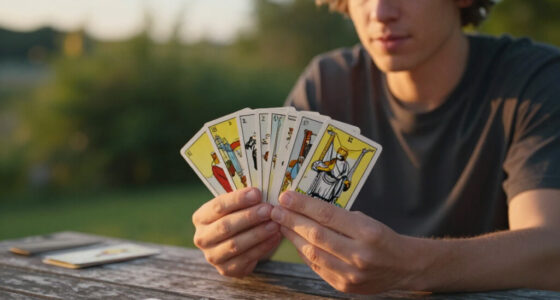
Historically, tarot decks were created in the 15th century in Europe, initially serving as playing cards for a game called tarocchi. Over centuries, their imagery and symbolism began to be associated with mystical and spiritual practices, especially in the 18th and 19th centuries. Today, tarot cards are often used for divination, self-reflection, and spiritual insight, with many decks featuring elaborate artwork inspired by various artistic movements.
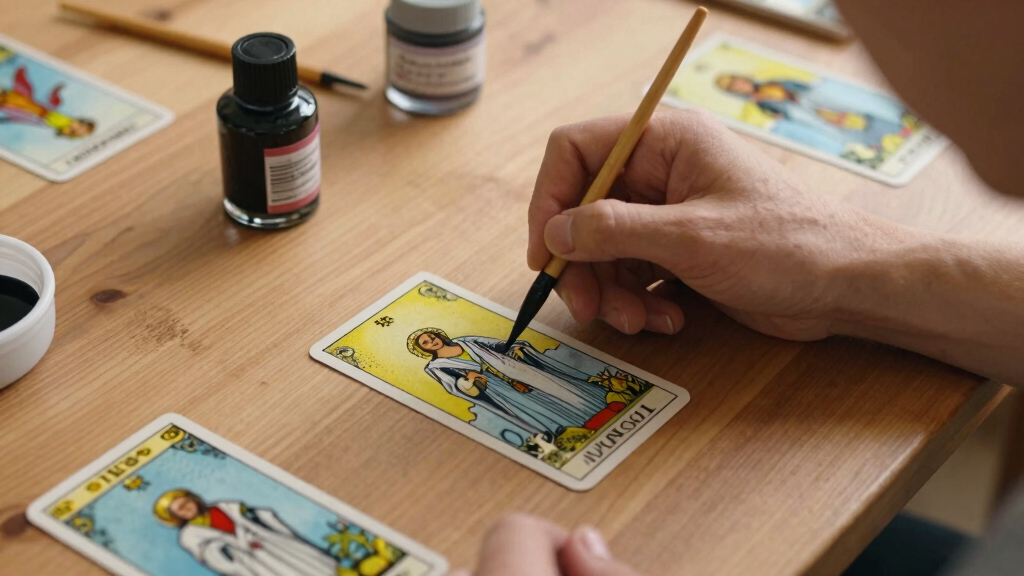
Scholars and artists emphasize that the visual artistry of tarot has played a key role in their evolving purpose. Notably, the 20th-century Rider-Waite deck and its many derivatives popularized the imagery used in modern divination. Recent exhibitions and publications highlight how tarot’s artistic elements have contributed to its cultural resonance, blurring the lines between entertainment, art, and spiritual practice.
While some practitioners and scholars assert that tarot is a spiritual tool rooted in mysticism, others view it as a symbolic art form or even a cultural artifact. This debate continues to influence how tarot is perceived and used today.
Cultural and Artistic Impact of Tarot’s Evolution
The transformation of tarot from a game to a spiritual and artistic symbol reflects broader shifts in cultural attitudes toward mysticism, art, and self-exploration. As tarot decks become more artistically diverse and commercially popular, they influence contemporary art and spiritual communities. Understanding this evolution helps contextualize tarot’s role in modern culture and its ongoing debates about authenticity, spirituality, and entertainment.
As an affiliate, we earn on qualifying purchases.
Historical Roots and Artistic Milestones of Tarot
Tarot’s origins trace back to the 15th century in Europe, where decks were primarily used for playing tarocchi. The imagery and symbolism of tarot decks began to incorporate mystical themes during the 18th and 19th centuries, influenced by esoteric movements such as the Hermetic Order of the Golden Dawn. The publication of the Rider-Waite deck in 1909 marked a turning point, popularizing specific imagery that remains influential today. Recent exhibitions showcase how contemporary artists reinterpret tarot imagery, emphasizing its artistic versatility and cultural significance.
“Tarot’s visual language has evolved from simple game cards into a complex artistic tradition that bridges spirituality and contemporary art.”
— Dr. Emily Carter, art historian
Debates Over Spirituality Versus Artistic Expression
While the artistic and cultural significance of tarot is well-documented, it remains unclear how the perception of tarot as a spiritual tool versus an art form will evolve. Some practitioners argue that its spiritual efficacy is rooted in tradition, while others view it primarily as a creative or psychological device. The ongoing commercialization and diversification of tarot decks continue to fuel this debate, with no consensus emerging.
Future Trends in Tarot Artistic and Cultural Representation
Expect further artistic experimentation and scholarly analysis of tarot’s role in contemporary culture. New decks featuring diverse artistic styles are likely to emerge, expanding tarot’s appeal across different communities. Additionally, upcoming exhibitions and academic publications aim to deepen understanding of tarot’s multifaceted history, potentially influencing how it is perceived and utilized in the future.
Key Questions
How did tarot decks originally function in the 15th century?
They were primarily used as playing cards for a game called tarocchi, with no initial association with mysticism or divination.
When did tarot begin to be associated with spiritual practices?
During the 18th and 19th centuries, as esoteric movements gained popularity, tarot imagery was linked to mystical and spiritual themes.
Are modern tarot decks considered art or spiritual tools?
Both. Many decks are valued for their artistic craftsmanship, while others are used for spiritual guidance and divination, with the perception varying among practitioners.
What role does art play in the current popularity of tarot?
Artistic innovation continues to shape tarot decks, making them appealing to diverse audiences and reinforcing their cultural relevance beyond traditional uses.
What is the significance of recent exhibitions about tarot?
They highlight tarot’s artistic evolution and its influence on contemporary art and culture, fostering a deeper appreciation of its historical and artistic dimensions.
Source: rss