

The Gratitude Explorer Workbook is my best overall pick among guided gratitude meditation books because it combines guided practices, meditations, and reflection. For a simpler daily habit, The Mindful Gratitude Guide offers short exercises, while Moonlight Gratitude gives nighttime practice a full year of structure. The main tradeoff is between books focused directly on gratitude and broader mindfulness guides that may offer more variety but less targeted practice. Format matters too: workbooks invite writing, affirmation books center on repeated phrases, and script collections suit readers who want read-aloud sessions. Read on for my full comparison and recommendations by routine and experience level.

Give the gift of listening to someone you love
- Choose a 1-, 3-, 6- or 12-month membership
- They pick the audiobooks they love
- Easy to send by email
Key Takeaways
- The Gratitude Explorer Workbook earns the overall lead by bringing practice, meditation, and reflection together instead of relying on a single format.
- The Mindful Gratitude Guide is a practical value pick for readers who want simple daily exercises without committing to a yearlong schedule.
- Moonlight Gratitude and Sunrise Gratitude turn gratitude into a time-specific habit, though their daily format suits routine-minded readers better than those seeking variety.
- Several books focus on mindfulness or meditation scripts rather than gratitude alone; they offer broader practice options but require readers to connect the exercises to thankfulness themselves.
- Gratitude (My First Meditation) is positioned for younger or first-time readers, while affirmation collections and script books serve distinct needs rather than replacing a guided workbook.




| guided gratitude meditation book | Format |
|---|---|
| The Gratitude Explorer Workboo | Workbook; further format details not provided |
| A Grateful Attitude Affirmatio | Not specified |
| The Buddha’s Guide to Gratitud | — |
| Gratitude | — |
| 135+ Guided Meditation Scripts | Not specified |
| Little Book of Mindfulness: 10 | Book |
| Practicing Mindfulness: 75 Ess | Book |
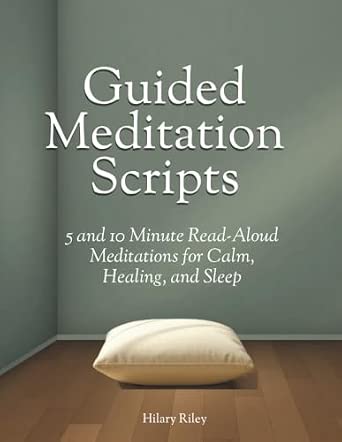
| Guided Meditation Scripts: 5- | Guided meditation scripts |
| The Blooming of a Lotus: Essen | Book |
| Moonlight Gratitude: 365 Night | Book |
| Sunrise Gratitude: 365 Morning | Book |
| The Mindful Gratitude Guide: S | Guide |
More Details on Our Top Picks
The Gratitude Explorer Workbook: Guided Practices, Meditations, and Reflections for Cultivating Gratefulness in Daily Life
The Gratitude Explorer Workbook is the clearest match for readers who want gratitude to be the main practice, with guided practices, meditations, and reflections all described as part of the book. That mix gives it a more active, reflective focus than The Buddha’s Guide to Gratitude, which centers on mindfulness inspired by Buddhist teachings. It also stays closer to gratitude than 135+ Guided Meditation Scripts, Volume 2, whose many topics range well beyond thankfulness. The tradeoff is that the available description gives no detail about the exercises, length, or format, so readers cannot tell how structured or in-depth the workbook is before choosing it. I’d put it first for its focused combination of guided reflection and meditation, while readers seeking a specific tradition or a broad script library may prefer another pick.
Pros:- Combines guided practices, meditations, and reflections.
- Keeps its stated focus on cultivating gratitude in daily life.
- Workbook framing suggests an active approach rather than meditation reading alone.
Cons:- The supplied details do not describe individual exercises or how the workbook is organized.
- No session lengths or guidance on a daily practice schedule are provided.
Best for: Readers who want a gratitude-centered workbook combining meditation with written reflection and daily practices.
Not ideal for: Readers who need a specified schedule, exercise length, or detailed preview of the workbook’s contents.
- Product type:Workbook
- Primary focus:Cultivating gratitude in daily life
- Practice types:Guided practices, meditations, and reflections
- Format:Workbook; further format details not provided
- Language:Not specified
- Publication details:Not specified
Our verdict“Choose this workbook if you want gratitude-focused meditation paired with guided reflection and can accept limited detail about its structure.”
A Grateful Attitude Affirmations: Positive Daily Affirmations for a Thankful Heart
A Grateful Attitude Affirmations suits readers who want gratitude prompts in the form of positive daily affirmations. Its title also references self-hypnosis and guided meditation, but the available information does not explain how those elements are delivered or how much of the book they occupy. That makes it a narrower and less transparent choice than The Gratitude Explorer Workbook, which explicitly describes practices and reflections alongside meditations. It is also less suitable than Moonlight Gratitude: 365 Nighttime Meditations for Deep, Tranquil Sleep All Year Long for someone seeking a clearly stated time-of-day routine. The main tradeoff is uncertainty: this may appeal to affirmation-led readers, but the format and specific contents are not provided, so buyers cannot judge the depth or structure of the meditation guidance.
Pros:- Centers on gratitude and a thankful outlook.
- Frames affirmations for daily use.
- References self-hypnosis and guided meditation as part of its approach.
Cons:- The specific contents and organization are not provided.
- The format is unspecified, making it hard to know how the affirmations and meditation guidance are presented.
Best for: Readers who want short, repeatable gratitude affirmations and are open to a self-hypnosis or guided-meditation approach.
Not ideal for: Readers who need a clearly described meditation format, a structured workbook, or details about the specific exercises.
- Content type:Positive daily affirmations
- Primary focus:A thankful heart and grateful outlook
- Referenced approach:Law of Attraction
- Referenced practice:Self-hypnosis
- Referenced practice:Guided meditation
- Format:Not specified
Our verdict“Pick this if daily gratitude affirmations are your priority, but choose a more fully described guide if meditation structure matters to you.”
The Buddha’s Guide to Gratitude: The Life-Changing Power of Everyday Mindfulness
The Buddha’s Guide to Gratitude is for readers who want gratitude explored through everyday mindfulness and Buddhist teachings, rather than a workbook-style sequence of exercises. Its framing makes it a more reflective, philosophy-led option than The Gratitude Explorer Workbook, which explicitly combines guided practices, meditation, and reflection. Compared with A Grateful Attitude Affirmations, it also points toward mindful perspective rather than repeating affirmations. The tradeoff is that the supplied description does not specify guided meditation scripts, exercise instructions, or a practice schedule; the title alone should not be taken as proof of a particular format. I’d choose it for its stated mindfulness lens, but readers seeking step-by-step guided sessions may find the workbook or a script collection a more direct fit.
Pros:- Connects gratitude with everyday mindfulness.
- Takes inspiration from Buddhist teachings.
- Frames gratitude as a practice that can support positive change in daily life.
Cons:- The supplied details do not confirm the presence of guided meditation scripts or step-by-step exercises.
- No session lengths, schedule, or specific practice format are provided.
Best for: Readers interested in Buddhist-inspired perspectives on gratitude who want to connect thankfulness with everyday mindfulness.
Not ideal for: Readers seeking a clearly outlined set of guided meditation scripts, timed sessions, or workbook exercises.
- Content type:Guide
- Primary focus:Gratitude and everyday mindfulness
- Influence:Buddhist teachings
- Stated aim:Explore how gratitude can support positive change in daily life
- Guided meditation format:Not specified
- Publication details:Not specified
Our verdict“Choose this for a Buddhist-inspired mindfulness perspective on gratitude, and look to a workbook if you want explicit exercises.”
Gratitude (My First Meditation)
Gratitude (My First Meditation) is the most explicitly beginner-oriented pick by title, making it a possible starting point for someone curious about meditation and thankfulness. Its place in the My First Meditation series signals an introductory purpose, while The Gratitude Explorer Workbook describes a broader mix of practices, meditations, and reflections for ongoing daily use. Compared with A Grateful Attitude Affirmations, this title is framed as meditation rather than affirmation practice. The tradeoff is the lack of further product details: there is no stated session length, guidance style, or format, so readers cannot know what makes the experience suitable for a first-timer. I’d treat it as a focused entry point only when a simple, gratitude-themed introduction is the goal and that missing detail is acceptable.
Pros:- Explicitly identifies gratitude as its meditation theme.
- Belongs to a series framed for a first meditation.
- Offers a more focused starting point than a broad collection of meditation topics.
Cons:- No details are provided about the meditation instructions or format.
- Session length and the depth of guidance are unspecified.
Best for: People new to meditation who want to start with a gratitude-themed title in an introductory series.
Not ideal for: Experienced meditators or readers who want detailed guidance on session length, format, and practice structure before choosing.
- Content type:Meditation product; further format details not provided
- Theme:Gratitude
- Series:My First Meditation
- Intended entry point:First meditation, as indicated by the series title
- Session length:Not specified
- Publication details:Not specified
Our verdict“Consider this as an introductory gratitude meditation if you are comfortable choosing without details about its format or session length.”
135+ Guided Meditation Scripts, Volume 2
135+ Guided Meditation Scripts, Volume 2 offers the broadest stated range here: its 135+ scripts include gratitude alongside morning meditation, focus, emotional balance, confidence, self-esteem, compassion, and loving-kindness. That breadth makes it more adaptable than The Gratitude Explorer Workbook, whose described focus stays on cultivating gratitude, but it also makes this a less targeted choice for someone seeking a gratitude-only book. Unlike Moonlight Gratitude: 365 Nighttime Meditations for Deep, Tranquil Sleep All Year Long, it is not presented as a single time-of-day routine. Its tradeoff is clear: variety supports different needs, while readers looking for a dedicated gratitude sequence may need to sift through other themes. The available details do not state script lengths or how the scripts are intended to be used.
Pros:- Includes more than 135 guided meditation scripts.
- Covers gratitude as well as focus, emotional balance, confidence, and other themes.
- Includes compassion and loving-kindness among its stated topics.
- Part of the Guided Meditation Scripts series.
Cons:- Gratitude is one topic among many, so the collection is less focused than a dedicated gratitude workbook.
- Script lengths and recommended ways to use the collection are not specified.
Best for: Readers, including meditation leaders, who want a large script collection spanning gratitude and several other practice themes.
Not ideal for: Buyers seeking a gratitude-only book, a daily sequence, or specified script lengths and session guidance.
- Series:Guided Meditation Scripts
- Volume:2
- Script count:135+
- Topics:Morning meditation, gratitude, focus, emotional balance, confidence, self-esteem, compassion, loving-kindness
- Script length:Not specified
- Format:Not specified
Our verdict“Choose this collection if you want gratitude scripts within a much wider library of meditation themes.”
Little Book of Mindfulness: 10 Minutes a Day to Less Stress, More Peace
Short sessions and a pocket-sized format make this a practical pick for readers who want mindfulness to fit into a crowded day. Its ten-minute daily commitment gives each practice a clear place in a routine, while the focus on accessible stress-reduction techniques may suit someone new to meditation. Compared with Practicing Mindfulness, which offers 75 meditations to choose from, this book appears more focused on keeping the daily commitment brief than on providing a wide menu of practices. It is also less directly tied to gratitude than Moonlight Gratitude, so readers seeking gratitude-centered prompts may prefer that nighttime collection. The tradeoff is scope: the concise guide may leave readers wanting more theory or variety. I’d choose it for low-friction mindfulness, not an in-depth gratitude program.
Pros:- Ten-minute daily practice has a clear, manageable time commitment.
- Accessible techniques focus on stress reduction.
- Compact format suits carrying and quick reference.
Cons:- Concise coverage may not satisfy readers seeking in-depth explanations.
- Mindfulness and stress relief are the stated focus, rather than gratitude practice.
- The brief format may offer less variety than a collection such as Practicing Mindfulness.
Best for: Busy beginners who want a portable mindfulness guide and can set aside ten minutes a day.
Not ideal for: Readers seeking extensive meditation variety, deeper explanations, or a book centered specifically on gratitude.
- Format:Book
- Topic:Mindfulness
- Daily time commitment:10 minutes
- Intended outcome:Less stress and more peace
- Practice style:Accessible mindfulness techniques
- Physical format:Pocket-sized
Our verdict“Choose this compact guide if a ten-minute mindfulness routine matters more to you than a broad set of gratitude meditations.”
Practicing Mindfulness: 75 Essential Meditations to Reduce Stress, Improve Mental Health, and Find Peace in the Everyday
Seventy-five meditation practices give this collection a wider selection than Little Book of Mindfulness, whose stated appeal is a short ten-minute daily commitment. That breadth may help readers choose a practice to match their day while keeping the focus on everyday mindfulness, stress reduction, and mental well-being. It makes more sense for someone who wants options than for a beginner who mainly needs a compact, tightly bounded routine. Against Moonlight Gratitude, it is less specific: the latter centers on nighttime gratitude and sleep, while this book’s description points to broader mindfulness goals. The source details do not specify session lengths or explain how the meditations differ, so buyers cannot tell from the available information how much guidance or variety each entry provides. Its main tradeoff is that the gratitude angle is indirect.
Pros:- Includes 75 meditation practices.
- Addresses stress reduction and mental well-being.
- Everyday mindfulness focus can suit regular use.
Cons:- Gratitude is not identified as a central topic.
- Session lengths are not provided in the product details.
- The available description does not explain how the 75 practices vary.
Best for: Readers who want a substantial choice of everyday mindfulness meditations for stress and mental well-being.
Not ideal for: Gratitude-focused readers who want a clearly described daily thankfulness practice or specified session lengths.
- Format:Book
- Number of meditations:75
- Topic:Mindfulness
- Focus:Stress reduction
- Additional focus:Mental well-being
- Intended outcome:More peace in everyday life
Our verdict“Pick this collection if you value a large menu of everyday mindfulness practices more than a dedicated gratitude routine.”
Guided Meditation Scripts: 5- and 10-Minute Read-Aloud Meditations for Calm, Healing, and Sleep
Read-aloud scripts in two short lengths give this book a distinct role: it is intended for people leading mindfulness sessions, rather than primarily for solo readers building a gratitude habit. Five- and ten-minute options make it easier to fit a script into a group meeting or brief guided session. Its stated themes are calm, healing, and sleep, so the connection to gratitude is less direct than in Moonlight Gratitude, which explicitly pairs gratitude with nighttime meditation. Compared with Practicing Mindfulness, this collection is framed around facilitating read-aloud sessions, not choosing among a stated number of personal meditations. The available details do not say how many scripts it contains or describe their contents, which makes it difficult to judge range and fit before buying. I’d favor it for a facilitator who needs scripts, not a self-guided gratitude workbook.
Pros:- Offers both five- and ten-minute session lengths.
- Read-aloud format is designed for group use.
- Themes include calm, healing, and sleep.
Cons:- Gratitude is not listed among the stated themes.
- The number of scripts is not specified in the available details.
- Script contents and range are not described.
Best for: Mindfulness leaders and group facilitators who need short read-aloud scripts for calm, healing, or sleep sessions.
Not ideal for: Solo readers looking for a clearly described, gratitude-centered meditation plan or detailed information about the practices.
- Format:Guided meditation scripts
- Session lengths:5 and 10 minutes
- Topics:Calm, healing, and sleep
- Intended use:Group sessions
- Intended audience:Mindfulness leaders
- Delivery style:Read-aloud meditations
Our verdict“Choose this if you lead short group meditations and need read-aloud material more than a personal gratitude guide.”
The Blooming of a Lotus: Essential Guided Meditations for Mindfulness, Healing, and Transformation
Mindfulness, healing, and personal transformation give this book a broader reflective aim than the short daily routine in Little Book of Mindfulness. The guided format may appeal to readers who want direction through meditation, while its healing focus sets it apart from Practicing Mindfulness, which is described primarily through stress reduction and everyday mental well-being. Still, the available product details provide no session lengths, number of meditations, or explanation of the guidance, so it is hard to know how structured the practice is. Gratitude is also not named as a central theme; readers who want explicit thankfulness prompts have a clearer match in Moonlight Gratitude. This pick makes most sense for someone drawn to healing and transformation language, with the tradeoff that the source information offers little detail for comparing its practical format.
Pros:- Uses a guided meditation format.
- Combines mindfulness with healing and transformation themes.
- Offers a different emphasis from stress-focused collections such as Practicing Mindfulness.
Cons:- Available details do not specify the number of meditations.
- Session lengths and practice structure are not provided.
- Gratitude is not identified as a core theme.
Best for: Meditators interested in guided practices framed around mindfulness, healing, and personal transformation.
Not ideal for: Readers who need a specified daily schedule, known session lengths, or explicit gratitude exercises.
- Format:Book
- Practice type:Guided meditations
- Topic:Mindfulness
- Additional focus:Healing
- Additional focus:Personal transformation
- Meditation count:Not specified in the available details
Our verdict“Consider this for guided meditation centered on healing and transformation if you are comfortable with limited format details.”
Moonlight Gratitude: 365 Nighttime Meditations for Deep, Tranquil Sleep All Year Long (Volume 1)
A gratitude meditation for every night of the year makes this the most directly aligned choice here for readers who want thankfulness built into a routine. Its nighttime focus links reflection with settling down for sleep, giving it a clearer daily structure than The Blooming of a Lotus, whose available description names healing and transformation but gives no schedule or meditation count. Compared with Little Book of Mindfulness, this is more specific about both purpose and timing: nighttime gratitude and tranquil sleep rather than brief general mindfulness. That focus is also its main limitation. Readers who want morning practice, broad mindfulness exercises, or meditation that is not tied to sleep may prefer another title, such as the morning-focused Sunrise Gratitude in this roundup. The listing identifies Volume 1, so buyers should keep its series context in mind.
Pros:- Provides 365 nighttime meditations for daily use.
- Gratitude is an explicit focus.
- Pairs reflection with the goal of tranquil sleep.
- Daily structure supports a simple bedtime routine.
Cons:- Focused specifically on nighttime meditation and sleep.
- Less suited to readers seeking broad mindfulness topics or morning practice.
Best for: Readers who want a gratitude-centered meditation as part of a consistent bedtime routine throughout the year.
Not ideal for: Morning meditators or readers seeking general mindfulness practices separate from sleep and nighttime reflection.
- Format:Book
- Content:365 nighttime meditations
- Series:Daily Gratitude
- Volume:1
- Primary focus:Gratitude
- Intended routine:Nightly
- Intended outcome:Deep, tranquil sleep
Our verdict“Choose this yearlong collection if you want gratitude reflection woven into bedtime, and skip it if you need an all-purpose meditation guide.”
Sunrise Gratitude: 365 Morning Meditations for Joyful Days All Year Long (Volume 2)
Sunrise Gratitude gives readers a dated-by-routine structure: 365 morning meditations focused on gratitude and joyful days. That daily cadence makes it a better fit for someone building a consistent morning ritual than The Mindful Gratitude Guide, which centers on simple exercises for busy moments. As Volume 2 in the Daily Gratitude series, it may also appeal to readers who want a companion to another installment, though the supplied details do not establish whether the volumes need to be read in order. The tradeoff is its narrow morning focus and year-long format; readers who prefer flexible, shorter peace breaks may find the guide easier to dip into. Choose this for steady daily prompts, and skip it if you want varied mindfulness exercises across the day.
Pros:- Provides 365 meditations to support a daily practice
- Keeps its focus on gratitude and joyful mornings
- Its morning framing gives the practice a clear place in the day
- Part of the Daily Gratitude series for readers interested in multiple volumes
Cons:- The morning focus may not suit readers who prefer evening or anytime practice
- A full year of daily entries may feel too structured for occasional use
- The supplied product details do not describe meditation length or exercise variety
Best for: Readers who want one gratitude meditation prompt for each morning of the year and enjoy a consistent routine
Not ideal for: Busy readers seeking flexible, quick exercises at different points in the day, or anyone who does not want a year-long daily format
- Format:Book
- Meditations:365
- Focus:Gratitude and joyful mornings
- Series:Daily Gratitude
- Volume:2
- Practice cadence:One meditation for each day of the year
Our verdict“Choose Sunrise Gratitude if you want a gratitude meditation to anchor each morning; pick The Mindful Gratitude Guide for more flexible daily exercises.”
The Mindful Gratitude Guide: Simple Exercises to Find Calm and Joy Every Day
The Mindful Gratitude Guide is aimed at readers who want simple gratitude exercises that can fit into a busy day. Its promise of a daily peace break makes it more flexible in feel than Sunrise Gratitude, whose 365 entries are specifically framed as morning meditations. The guide’s pairing of mindfulness and gratitude also gives it a broader calm-and-joy focus, while Sunrise offers a clearer year-long meditation routine. That flexibility comes with less structure in the details provided: there is no stated number of exercises, session length, or daily sequence. Readers who want a defined prompt for every morning may prefer Sunrise; this guide makes more sense for those seeking adaptable exercises without committing to a full-year format.
Pros:- Simple exercises may be approachable for readers new to gratitude practice
- Designed to fit into a busy person’s day
- Combines mindfulness and gratitude
- Aims to support calm and joy in everyday life
Cons:- The supplied details do not specify how many exercises the guide contains
- No session length is provided to help readers plan a break
- It does not offer the stated 365-day structure of Sunrise Gratitude
Best for: Busy adults who want straightforward gratitude and mindfulness exercises for short breaks during the day
Not ideal for: Readers who want a numbered, year-long meditation sequence or specifically want morning meditations
- Format:Guide
- Focus:Mindfulness and gratitude exercises
- Exercise style:Simple exercises
- Intended use:Daily peace breaks
- Audience fit:Busy people
- Stated benefits:Calm and joy
Our verdict“Choose this guide for adaptable gratitude exercises during a packed day; choose Sunrise Gratitude if you want a specific meditation every morning.”

How We Picked
I compared these books by how directly they guide a gratitude practice, how easy it appears to make that practice part of ordinary life, and what kind of participation each format asks from the reader. Books with gratitude-specific exercises, reflection, or repeatable routines ranked above general mindfulness titles because they answer this roundup’s search intent more directly. I also considered whether a book is aimed at a particular time of day, age group, or use such as reading meditations aloud.
The ranking favors usefulness for a broad range of readers first, then books that serve a clear niche. A workbook with several practice modes can suit more needs than an affirmation-only collection, while a yearlong morning or evening book may be a better fit for someone who wants a fixed cue. Broader meditation collections remain useful, but their less direct gratitude focus is a tradeoff. Since formats and intended uses vary, readers should match the book to the kind of practice they will actually keep up.
| guided gratitude meditation book | Format |
|---|---|
| The Gratitude Explorer Workboo | Workbook; further format details not provided |
| A Grateful Attitude Affirmatio | Not specified |
| The Buddha’s Guide to Gratitud | — |
| Gratitude | — |
| 135+ Guided Meditation Scripts | Not specified |
| Little Book of Mindfulness: 10 | Book |
| Practicing Mindfulness: 75 Ess | Book |
| Guided Meditation Scripts: 5- | Guided meditation scripts |
| The Blooming of a Lotus: Essen | Book |
| Moonlight Gratitude: 365 Night | Book |
| Sunrise Gratitude: 365 Morning | Book |
| The Mindful Gratitude Guide: S | Guide |
Factors to Consider When Choosing Guided Gratitude Meditation Books
Choosing among guided gratitude meditation books starts with the practice you want to repeat. I would look at the amount of guidance, the role of writing, the length and timing of sessions, and whether the book stays focused on gratitude or teaches broader mindfulness.
Choose a practice format you will return to
A guided meditation, a written reflection, and an affirmation ask for different kinds of attention. If you like responding to prompts, a workbook can turn a passing thought into a more deliberate exercise. If you prefer a brief spoken or silent routine, a meditation or affirmation format may be easier to pick up. A common mistake is choosing the format that sounds most appealing in theory without considering how you like to spend a few quiet minutes. Think about whether you want to write, listen, read aloud, or repeat a phrase before choosing.
Decide how much structure helps
A dated or numbered daily sequence can remove the small decision of what to practice next. That structure may help when you want a dependable morning or bedtime cue, but it can feel restrictive if you prefer to skip around. An undated collection offers flexibility, though it puts more responsibility on you to choose an exercise. Before opting for a yearlong format, ask whether a daily prompt feels supportive or like an obligation. The right amount of structure is the amount that makes practice easier to begin.
Match the book to the time you have
Short sessions can fit into a busy day, while longer reflections may suit a quiet stretch when you have room to write and think. Do not assume that a book with many entries will be more useful if each session feels too demanding for your schedule. A manageable routine repeated often can be a better fit than an ambitious plan that gets set aside. Consider when you are most likely to practice and what tends to interrupt that time. A morning book and a bedtime book may support different habits even when both focus on gratitude.
Check how directly the book addresses gratitude
Some meditation guides center on gratitude; others cover calm, sleep, stress, or mindfulness more broadly. A broader book can offer variety if you want several kinds of practice, but it may leave you to connect the exercises to thankfulness. If gratitude is your main goal, look for repeated prompts or meditations that return to appreciation rather than a single mention in a larger collection. This distinction matters when comparing a dedicated gratitude guide with a general mindfulness title. Choose breadth when variety is part of the goal, and a focused approach when you want each session to reinforce the same theme.
Consider who the book is written for
Intended audience affects tone, pacing, and how much explanation a book may provide. A first meditation book may use a more accessible approach, while a script collection may make more sense for someone leading a group or reading sessions aloud. A book designed for children may not give an adult the depth or style they want, even if the subject is appealing. Likewise, a general guide may not provide the read-aloud structure a facilitator needs. Check the intended reader and use before treating a shared topic as a sign that two books are interchangeable.
Pay for fit and repeat use, not entry count
A large number of meditations or prompts can look appealing, but quantity alone does not show whether a book suits your routine. A smaller set of well-matched exercises may be more useful than a long collection you rarely open. Consider whether the book offers enough variety to hold your interest and enough repetition to help a habit take shape. If you are choosing between a focused workbook and a broad script collection, think about whether you want personal practice or a resource to draw from for different occasions. The better fit is the one whose structure and purpose match your use.
Frequently Asked Questions
Should I choose a gratitude workbook or a meditation book?
Choose a workbook if writing answers and returning to your own reflections are part of the practice you want. A meditation-focused book is a better match if you prefer to follow a guided sequence without journaling. Some books combine both approaches, which can be useful if you want options but may feel less focused than a single-format guide. Consider what you will realistically do in a regular session, rather than which format sounds more thorough. Your preferred way to practice is a strong guide to which book you will keep using.
Are books about mindfulness a good substitute for gratitude guides?
They can support a gratitude practice, but they may not return to gratitude as often or as directly as a dedicated guide. A general mindfulness book is a sensible choice if you also want practices for calm, stress, or everyday awareness. If you specifically want prompts that direct attention toward appreciation, check that gratitude appears as a recurring theme. Otherwise, you may need to adapt the exercises yourself. The tradeoff is broader practice variety in exchange for a less concentrated gratitude focus.
Is a 365-day gratitude book a good choice if I miss days?
It can still suit you if you can pick up where you left off without feeling obliged to catch up. A daily sequence offers a ready-made cue, but some readers find dated routines discouraging when a missed day feels like falling behind. If you prefer to move at your own pace, an undated exercise collection may feel more forgiving. Look at whether the daily format is framed as a flexible prompt or a strict schedule. The best choice depends on whether repetition motivates you or adds pressure.
Which format works best for practicing gratitude before bed?
A bedtime-focused collection is a natural fit if you want gratitude practice to mark the end of the day, especially when it pairs the routine with sleep or calm. A general gratitude guide can also work if its exercises are brief enough to fit your evening. Consider whether you want to write, read quietly, or follow a meditation, since a reflective prompt may be less relaxing for some readers late at night. A morning routine may be easier to maintain if evenings are unpredictable. Choose based on the time when you can make the practice comfortable and repeatable.
Can I use a guided meditation script book for personal practice?
Yes, a script collection can work for personal use if you are comfortable reading the meditation aloud or adapting it for silent practice. Its format may be especially helpful if you lead sessions or want a range of read-aloud options. Compared with a dedicated gratitude workbook, scripts may cover broader themes and provide less space for personal reflection. Check whether the topics include the kind of gratitude practice you want before choosing one. If a ready-to-follow personal routine is your priority, a focused daily guide may take less adaptation.
Conclusion
For the best overall fit, I recommend The Gratitude Explorer Workbook for readers who want guided practice and reflection in one place. The Mindful Gratitude Guide is my value pick for simple, repeatable exercises, while The Blooming of a Lotus is the premium-leaning choice for readers drawn to a broader meditation and healing focus. Beginners may prefer Gratitude (My First Meditation) for an approachable entry point. For a specific routine, choose Moonlight Gratitude for evenings or Sunrise Gratitude for mornings; pick a script collection if you need read-aloud material. The right book is the one whose format and timing match how you want to practice.