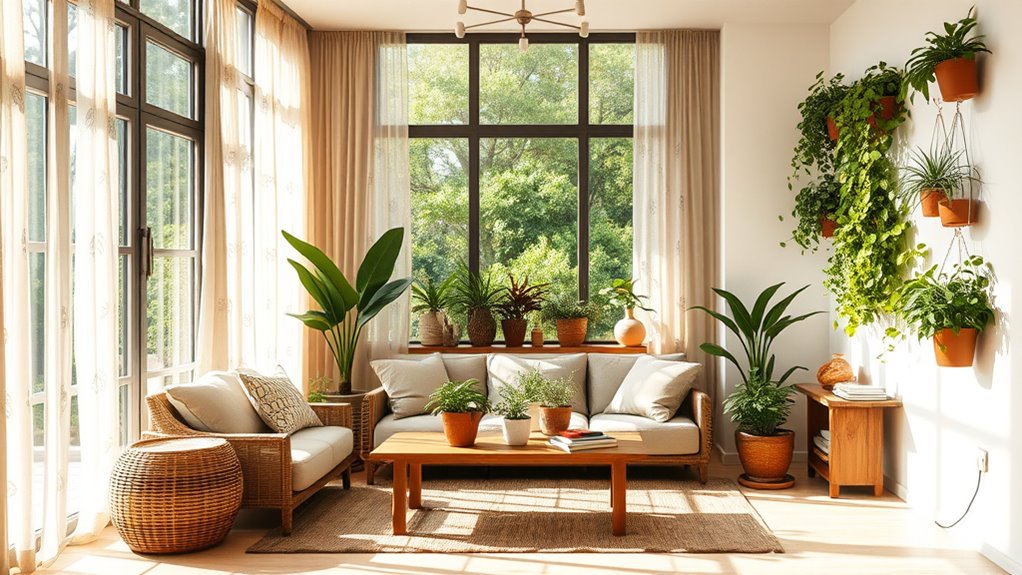

To implement biophilic design at home, focus on bringing natural elements indoors, like adding indoor plants such as snake plants or pothos near windows for ideal sunlight. Use natural light to brighten your space with strategic window placement and reflective surfaces, enhancing well-being and energy. Incorporate varied lighting levels and natural materials to create a peaceful, inviting environment. Keep exploring for practical tips to transform your space into a healthier, more balanced sanctuary.
Key Takeaways
- Incorporate indoor plants like snake plants and pothos to connect your space with nature and improve air quality.
- Maximize natural light through strategic window placement and use of sheer curtains to enhance ambiance.
- Use reflective surfaces and light-colored walls to amplify natural sunlight and create a bright, inviting environment.
- Create diverse zones with varying lighting levels, integrating plants to promote relaxation and well-being.
- Add decorative planters and hanging plants to blend biophilic elements seamlessly into home aesthetics.
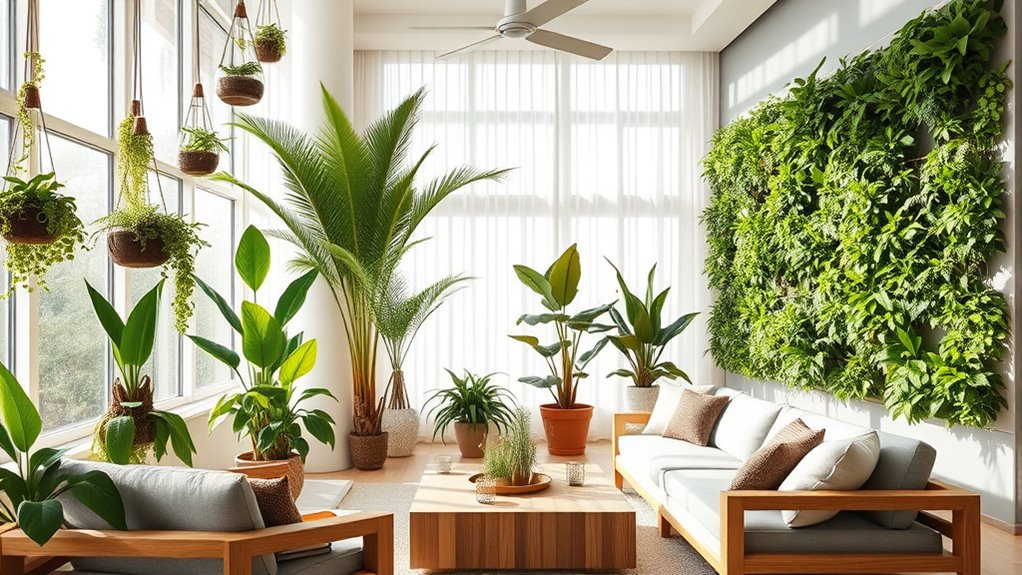
In today’s fast-paced world, bringing nature into your home isn’t just a trend—it’s a proven way to boost well-being and create a calming environment. You can achieve this by incorporating indoor plants and optimizing natural lighting. Indoor plants are more than just decorative accents; they are living elements that connect you directly with nature. As you select plants, consider varieties like snake plants, pothos, or peace lilies, which are easy to care for and thrive indoors. Placing these plants near windows or in well-lit areas ensures they get the sunlight they need to grow healthy and vibrant. The presence of greenery has been shown to improve air quality, reduce stress, and elevate your mood. Plus, tending to your indoor plants gives you a daily touch of nature, fostering a sense of responsibility and mindfulness. Additionally, choosing energy-efficient lighting options can further enhance your environment by reducing electricity use while maintaining optimal light levels.
Natural lighting plays a vital role in biophilic design. It’s not enough to simply have windows; you want to maximize the amount of sunlight that enters your space. Avoid heavy curtains or obstructive furniture that blocks light, and opt for sheer curtains or blinds that can diffuse sunlight softly throughout the room. Positioning your furniture to face windows helps you soak in the natural glow, making your space feel more open and inviting. Bright, natural light boosts your energy levels, improves your circadian rhythm, and enhances the visual appeal of your interior decor. When combined with indoor plants, natural lighting creates a seamless connection between the indoors and outdoors, reinforcing the sense of harmony and well-being.
You’ll find that adjusting your environment to include more indoor plants and utilize natural lighting doesn’t require major renovations. Small changes, like hanging planters or adding a skylight, can have a significant impact. Use light-colored walls and reflective surfaces to bounce sunlight around, amplifying its effect. Creating zones with different types of light—such as cozy, shaded corners alongside sunlit areas—adds depth and variety to your space. These elements work together to foster a more restorative atmosphere, making your home a sanctuary where you feel more relaxed, energized, and connected to nature. By thoughtfully integrating indoor plants and natural lighting, you’re not just decorating—you’re cultivating a healthier, more balanced lifestyle right inside your home.

Costa Farms Live Air Purifying House Plants 6 Pack – Hand Selected Easy to Maintain Indoor Assorted Indoor Houseplants, Curated Mix, Low Light, Home Office Decor Plant Gift
BEAUTIFUL ROOM DÉCOR BUNDLE: This 6-pack offers incredible value to instantly decorate multiple spaces with live houseplant room…
As an affiliate, we earn on qualifying purchases.
As an affiliate, we earn on qualifying purchases.
Frequently Asked Questions
How Does Biophilic Design Improve Mental Health at Home?
Biophilic design improves your mental health at home by strengthening your nature connection, which helps you feel calmer and more centered. Incorporating natural elements like plants, sunlight, and natural materials reduces stress and creates a soothing environment. As you surround yourself with nature-inspired features, you’ll notice a decrease in anxiety and better overall well-being, making your home a peaceful sanctuary for mental clarity and relaxation.
What Are Budget-Friendly Ways to Incorporate Biophilic Elements?
Brighten your space without breaking the bank by starting simple with DIY plant projects and budget-friendly decor. You can repurpose everyday items into stylish planters or craft your own plant hangers. Add lush greenery with affordable houseplants or succulents, which are easy to care for. Incorporate natural textures like wooden or woven accents to create a calming, biophilic vibe. These small, sustainable steps seamlessly blend nature into your home, boosting your mood effortlessly.
Can Biophilic Design Increase Home Property Value?
Yes, incorporating biophilic design can increase your home’s property value and market appeal. When you add natural elements like plants, large windows, or green walls, it creates a more inviting, healthy environment that buyers find attractive. This enhancement not only boosts aesthetics but also suggests a modern, eco-friendly lifestyle. As a result, your property stands out in the market, potentially leading to higher offers and quicker sales.
How to Maintain Indoor Plants Effectively in a Biophilic Space?
Sure, keeping indoor plants thriving is a breeze—until pests show up! You should establish a consistent watering schedule, avoiding overwatering or underwatering, and regularly check for pests to prevent infestations. Use natural pest management techniques when needed. Don’t forget, healthy plants need proper drainage and light. So, embrace the routine, stay vigilant, and your lush, vibrant space will thrive without turning into a jungle of chaos.
Are There Specific Colors or Materials Best Suited for Biophilic Design?
You should focus on natural color palettes like earthy greens, warm browns, and soft neutrals, which evoke a calming, organic feel. Use sustainable materials such as reclaimed wood, bamboo, and organic fabrics to enhance the connection to nature. These choices create a harmonious environment, promote sustainability, and complement your biophilic space, making it more inviting and beneficial for your well-being.

OVZME Natural Curtains for Small Window Treatment, Light Blocking Short Kitchen Window Curtains Over Sink, Dual Rod Pocket Half Window Tiers for Bathroom Basement, Each 40Wx36L, 2 PCS
Sold as 2 Panels: Each package contains 2 pieces kitchen curtains, each panel measures 40" in width and…
As an affiliate, we earn on qualifying purchases.
As an affiliate, we earn on qualifying purchases.
Conclusion
You might think biophilic design is only for large spaces or expensive renovations, but that’s not true. Even small changes, like adding houseplants or opening your windows for natural light, can boost your mood and well-being. Don’t let the idea of complexity hold you back—starting simple makes a big difference. Embrace nature indoors, and you’ll create a healthier, more inspiring home environment that supports your everyday life.
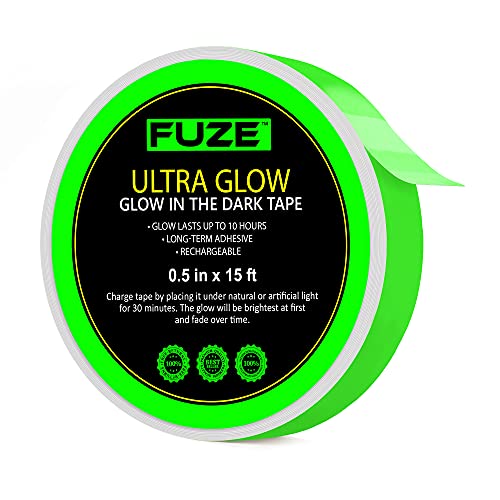
Lockport Glow in The Dark Tape – 15 Ft x 0.5 in – Bright – Rechargeable – Reflective – Glow Tape in The Dark – Halloween Decoration, Christmas Decor, Night Decorations, Home Marking, Stairs, Exit Sign
LIGHT UP ANYTHING – Instantly transform any object or space with our fluorescent glow tape from Lockport. Mark…
As an affiliate, we earn on qualifying purchases.
As an affiliate, we earn on qualifying purchases.

Utopia Home Plant Pots Indoor with Drainage Holes – Set of 5 White Plastic Flower Pots (7/6.6/6/5.3/4.8 Inch) – Modern Planters for Indoor Plants, Room & Office Décor, Great Stocking Stuffers
Plant Pots / Flower Pots – Invest in a beautiful garden to harvest the seeds of love, with…
As an affiliate, we earn on qualifying purchases.
As an affiliate, we earn on qualifying purchases.