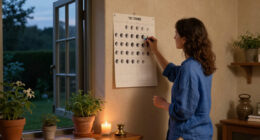

When stress or overwhelm hits, take a moment to pause and control your breath. Inhale deeply through your nose, hold for a second, then exhale slowly through your mouth or nose. Focus on this breathing pattern to calm your nervous system and shift your focus away from worries. Practicing this simple reset can quickly bring clarity and calmness when you need it most. Keep exploring ways to harness your breath’s power for lasting calmness.

Get books, candles and calm essentials delivered free — and shop member deals
- Fast, free delivery on millions of items
- Access to Prime Big Deal Days deals on October 6–7
- Prime Video, Amazon Music and more included
Key Takeaways
- Recognize signs of overwhelm and pause to observe your breath without judgment.
- Take slow, deep breaths, inhaling through the nose and exhaling through the mouth or nose.
- Count your breaths to anchor attention and shift focus from stress to the present moment.
- Use quick breathing exercises during tense moments to promote relaxation instantly.
- Incorporate mindful breathing into daily routines for sustained calmness and emotional resilience.
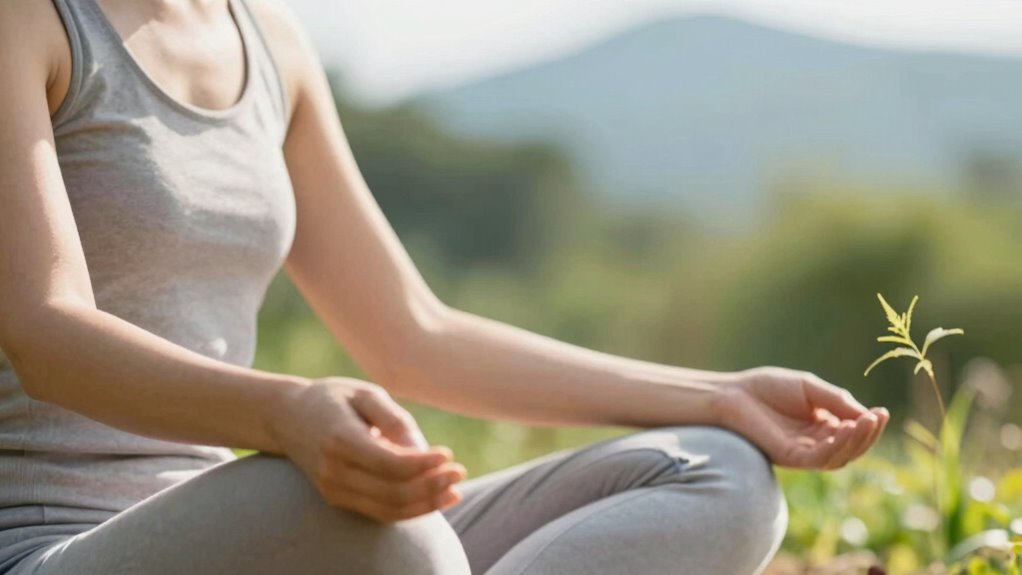
Have you ever felt overwhelmed and wished for a quick way to reset your mind? When life gets hectic, it can be tough to find clarity or regain focus. That’s where your breath becomes a powerful tool. Using your breath as a reset button is an effective way to calm your mind and body in moments of stress. By practicing simple mindfulness techniques and breathing exercises, you can create a mental pause that restores your sense of calm and control.
Use your breath as a quick reset to calm your mind and regain clarity in stress-filled moments.
The first step is to become aware of your breathing. Often, when we’re overwhelmed, our breath becomes shallow or irregular. Taking a moment to tune into your breath helps you recognize your current state and creates a foundation for change. You don’t need elaborate techniques—just pause and pay attention. This mindfulness technique allows you to observe your breath without judgment, bringing you into the present moment and reducing anxiety. Once you’re aware, you can begin to use breathing exercises to reset your mental state.
One effective breathing exercise is slow, deep breathing. Inhale slowly through your nose, filling your lungs completely. Hold that breath for a second or two, then exhale gently through your mouth or nose, releasing all tension. Repeat this process for several rounds, focusing solely on your breath. As you do, you’ll notice your heart rate slowing, muscles relaxing, and your mind clearing. This rhythmical breathing stimulates your parasympathetic nervous system, which helps counteract stress and anxiety. Additionally, focusing on your breath can serve as a mindfulness practice that enhances emotional regulation. Research from sound healing science also supports that rhythmic breathing can influence brainwave patterns, deepening the calming effect. Incorporating controlled breathing techniques into your routine can further enhance these benefits and promote overall well-being.
Another useful mindfulness technique involves counting your breaths. Inhale deeply and count “one,” then exhale and count “two.” Continue counting each inhale and exhale until you reach ten, then start over. This simple focus point distracts your mind from racing thoughts and anchors you in the present moment. It’s especially helpful during overwhelming situations because it shifts your attention away from worries and toward your breath. Breath awareness can also help you connect with the natural rhythm of your body, promoting relaxation and stress relief.
You can also incorporate quick breathing exercises into your daily routine or whenever you feel tension rising. Just a few moments of intentional, mindful breathing can change your entire outlook. When you’re feeling anxious or unfocused, pause, take a few deep breaths, and focus on your breath as your reset button. This practice doesn’t require special equipment or a lot of time, yet it offers immediate relief and a renewed sense of clarity. Over time, these mindfulness techniques and breathing exercises become a natural part of your response to stress, empowering you to regain calm and perspective whenever needed.
guided breathing meditation device
As an affiliate, we earn on qualifying purchases.
As an affiliate, we earn on qualifying purchases.
Frequently Asked Questions
Can Breath Techniques Replace Professional Mental Health Treatment?
Breath techniques like mindfulness meditation can enhance emotional regulation but shouldn’t replace professional mental health treatment. They serve as helpful tools for managing stress and calming your mind, but complex or severe mental health issues require expert guidance. Incorporate breath awareness into your routine to support overall well-being, yet always seek professional help when needed. Combining both approaches offers a balanced path toward mental health and resilience.
How Long Should I Practice Breathing Exercises Daily?
You should practice breathing exercises for about 10 to 20 minutes daily, like tuning a guitar string to stay in harmony. Focus on slow, intentional breathing patterns to release meditation benefits, helping your mind stay clear and calm. Consistency is key—think of it as watering a plant. Regular practice strengthens your mental resilience, turning breath into your personal reset button whenever stress clouds your day.
Are There Specific Breath Methods for Different Emotions?
Yes, there are specific breath methods for different emotions. When practicing breath awareness, you can use deep, slow breaths to calm anxiety or rapid breaths to energize yourself. For emotional regulation, try diaphragmatic breathing to soothe anger or sadness, and box breathing to foster focus and calmness. Tailoring your breath technique helps you better manage your emotions, making it a powerful tool for emotional resilience.
Can Breath Resets Be Effective During a Panic Attack?
During a panic attack, breath resets can be your anchor in a storm, grounding you amidst chaos. By practicing breath awareness and inhalation techniques like slow, deep breaths, you can slow your heart rate and regain control. Focus on each inhale and exhale, turning your breath into a calming tide. It’s a powerful tool that transforms panic into calm, helping you navigate intense moments with greater ease.
Is There Scientific Proof Supporting Breath as a Reset Tool?
Scientific research supports breath awareness as an effective reset tool, especially through respiratory therapy techniques. Studies show controlled breathing helps regulate your nervous system, reducing stress and anxiety. When you consciously focus on your breath, you activate your parasympathetic response, promoting calmness. This evidence suggests that using breath as a reset button is backed by science, making it a practical tool for managing emotional and physical stress efficiently.
Conclusion
Next time life overwhelms you, remember your breath is both a pause and a launchpad. It’s a simple reset button amid chaos, offering calm just as easily as it stirs action. Like a quiet lake reflecting a storm’s chaos, your breath holds the power to restore clarity or ignite momentum. Embrace this dual nature—your breath is your pause, your power, your peace. Reset, refocus, and move forward with newfound strength.
Halloween Picks
halloween
As an affiliate, we earn on qualifying purchases.