

Practicing mindful breathwork helps you stay present and open to life’s flow. Focus your attention on each inhale and exhale, noticing sensations and gently letting go of worries. This simple practice calms your mind, deepens awareness, and encourages acceptance. With consistent effort, you’ll find it easier to allow things to unfold naturally, fostering a peaceful, centered presence. Keep exploring further steps to enhance your ability to stay grounded and receptive in everyday life.
Key Takeaways
- Mindful breathing anchors awareness in the present moment, fostering a sense of calm and allowing everything to unfold naturally.
- Regular breath awareness exercises help observe thoughts and sensations without judgment, promoting acceptance and openness.
- Deep, intentional breaths reduce tension, supporting a relaxed state that encourages allowing rather than resisting experiences.
- Incorporating simple breathwork into daily routines enhances presence, making it easier to stay receptive and non-reactive.
- Consistent practice cultivates a centered mindset, increasing capacity for patience, trust, and allowing life to unfold with ease.

Have you ever wondered how to feel more grounded and fully present in the moment? One effective way is through mindful breathing. When you focus on your breath, you anchor yourself in the here and now, steering your attention away from worries about the past or future. Mindful breathing involves paying close attention to each inhale and exhale, noticing the sensation of air moving through your nose, filling your lungs, and then leaving your body. It’s a simple practice, but its power lies in consistency. As you breathe intentionally, you cultivate awareness, which helps quiet the mental chatter that pulls you away from the present.
Focusing on your breath grounds you in the present and quiets mental chatter through consistent awareness.
Awareness exercises are essential tools in this process. They train you to observe your thoughts, feelings, and bodily sensations without judgment. By integrating these exercises into your breathwork routine, you develop a deeper connection to your experience. For example, you might start by simply noticing the rising and falling of your chest or the feeling of your feet on the ground. Over time, this awareness becomes more natural, allowing you to catch yourself when your mind drifts and gently bring your focus back to your breath. This process isn’t about controlling your breath but rather observing it with curiosity and openness.
When you engage in mindful breathing, you create a calm space within yourself, making it easier to let go of tension. It’s about returning to the present moment, seeing it clearly without judgment or resistance. As you practice regularly, you’ll find that your awareness exercises become more effortless, and your ability to stay present increases. This heightened awareness can ripple into other areas of your life, helping you respond more thoughtfully instead of reacting impulsively. It’s a powerful way to foster a sense of grounding and acceptance.
Incorporating breathwork for presence into your daily routine doesn’t require much time—just a few minutes can make a noticeable difference. Start by finding a quiet spot, take a few deep breaths, and then shift your focus to your natural breathing. Use awareness exercises to observe your breath and any sensations that arise. In fact, understanding the importance of sleep hygiene can further enhance your overall well-being and mindfulness. Over time, this simple practice enhances your ability to stay present, grounded, and more receptive to what’s happening in each moment. The more you engage with mindful breathing and awareness exercises, the more accessible this sense of presence becomes, guiding you toward a more centered, peaceful state of being.
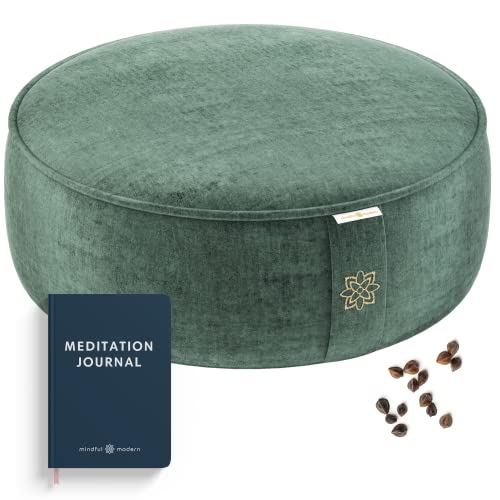
Mindful & Modern Velvet Meditation Cushion | Luxe Zafu Yoga Floor Pillow Seat | Posture Support | Buckwheat Hull Filled | Large Round Cushion with Removable Washable Cover + Carry Handle | Color Green
PROPER POSTURE AND SPINAL HEALTH – Our large luxurious velvety pillows are designed to ergonomically support your spine…
As an affiliate, we earn on qualifying purchases.
As an affiliate, we earn on qualifying purchases.
Frequently Asked Questions
Can Breathwork Replace Traditional Therapy for Emotional Issues?
Breathwork can be a helpful therapy alternative, but it shouldn’t replace traditional therapy for emotional healing. While it promotes presence and allows you to access emotions more easily, complex issues often require professional guidance and structured approaches. Use breathwork as a complement to therapy, not a substitute. Combining both can enhance your emotional healing journey, providing deeper understanding and sustainable changes.
How Often Should I Practice Breathwork for Best Results?
You should practice breathwork daily to cultivate a steady river of calm and presence. The ideal frequency varies, but consistency is key—aim for at least 10-15 minutes each day, like watering a garden to help it flourish. Incorporate it into your daily routine, and you’ll notice a transformation in your emotional landscape. Think of breathwork as your personal anchor, grounding you amid life’s swirling currents.
Are There Risks Involved With Intense Breathwork Techniques?
Intense breathwork techniques can carry risks if ventilation safety isn’t maintained, so it’s essential to practice in a safe environment. You might experience emotional regulation challenges or dizziness during intense sessions. Always listen to your body, start slowly, and consider guidance from a trained practitioner. If you feel uncomfortable or overwhelmed, stop immediately and focus on grounding your breath. Prioritizing ventilation safety helps prevent adverse reactions and supports your overall well-being.
Can Breathwork Help With Chronic Physical Pain or Illness?
Yes, breathwork can help with chronic pain and illness by strengthening the mind-body connection. You might discover new pain management techniques that activate your body’s natural healing responses. But be cautious—intense breathwork could trigger discomfort if not guided properly. So, approach it carefully, listening to your body, and consider working with a trained practitioner to unseal its full potential for relief and wellness.
Do I Need a Facilitator or Instructor to Practice Breathwork Safely?
You don’t necessarily need a facilitator for safe self-directed breathwork practice, but professional guidance can be very helpful, especially if you’re new or have health concerns. A trained instructor can ensure you use proper techniques and avoid potential risks. If you choose to practice on your own, start slowly, listen to your body, and educate yourself thoroughly to maximize safety and benefits.

Portable Breathing Aid for Anxiety & Calm – Compact Hyperventilation Relief Device, Deep Breathing Exercise Tool for On-The-Go Stress Management, Discreet & Professional Design
Portable Breathing Aid for Anxiety & Calm – Compact Hyperventilation Relief Device, Deep Breathing Exercise Tool for On-the-Go…
As an affiliate, we earn on qualifying purchases.
As an affiliate, we earn on qualifying purchases.
Conclusion
Now that you’ve embraced breathwork, you’re more present and open to life’s flow. Just like a modern-day philosopher in a bustling café, you can find stillness amid chaos. Remember, each breath is your secret weapon—your portal to allowing and being fully here. So, take this wisdom with you, and let your presence be as timeless as a Shakespearean sonnet. The magic happens when you simply breathe, right now.

Thenshop 40 Pcs Bulk Mental Health Awareness Gifts: 20 Mental Health Wellness Journals & 20 Self Care Pens for Women Coworker Office Staff Volunteer Docotor Nurse Graduation Gifts (Rainbow)
Package Included: comes with 20 pieces positive affirmation journals (50 double-sided lined pages) and 20 pieces positive affirmation…
As an affiliate, we earn on qualifying purchases.
As an affiliate, we earn on qualifying purchases.

Mindsight 'Original Breathing Buddha' Guided Visual Meditation | 3 Modes to Slow Your Breathing & Calm Your Mind | Stress & Anxiety Relief | Wellness Gift | Adults, Kids, Classrooms | USB Rechargeable
🧠 Introducing (6) Ambient Nature Sounds: the addition of crashing waves, birds chirping or a strong breeze can…
As an affiliate, we earn on qualifying purchases.
As an affiliate, we earn on qualifying purchases.