

To support your mental wellness, consider a digital detox by setting clear limits on social media use and creating tech-free zones during meals and bedtime. Replace screen time with activities like reading, exercising, or mindfulness to regain control over your mental space. Recognize how excessive social media triggers fatigue and anxiety, and aim for balance rather than complete quitting. If you stay open to these tips, you’ll discover effective ways to feel more connected and at peace.
Key Takeaways
- Set daily limits and use app trackers to monitor and reduce social media usage.
- Establish tech-free zones or times to promote mindful engagement and relaxation.
- Replace screen time with activities like reading, exercise, or mindfulness practices for mental clarity.
- Recognize triggers like boredom or stress that lead to excessive screen use and address them proactively.
- Emphasize balance over complete quitting, focusing on sustainable habits to support long-term mental wellness.

Have you ever felt overwhelmed or drained after hours of scrolling through your phone? If so, you’re not alone. Excessive screen time has become a common part of daily life, often leaving you feeling fatigued, anxious, or disconnected. The impact of social media adds to this fatigue, subtly influencing your mood and mental health. When you spend too much time online, you’re exposed to constant notifications, comparisons, and curated highlights of others’ lives, which can distort your perception of reality. This continuous barrage of information can lead to feelings of inadequacy, loneliness, or even depression. Recognizing the social media impact on your mental wellness is the first step toward making meaningful changes.
You might notice that your screen time has increased without you even realizing it, especially with apps designed to keep you hooked. Social media platforms are engineered to maximize engagement, often by triggering dopamine responses similar to addictive behaviors. The more you scroll, the more your brain craves that rush of validation or distraction. Over time, this pattern can erode your self-esteem and make you more prone to anxiety. It’s easy to fall into a cycle where you turn to social media to escape boredom or stress, but in doing so, you often end up feeling worse afterward. The constant influx of information can make it difficult to focus, relax, or truly enjoy the present moment.
Excessive social media use hijacks dopamine, eroding self-esteem and fueling anxiety.
Reducing your screen time doesn’t mean giving up your devices entirely; rather, it’s about creating boundaries that serve your mental health. Start by setting specific limits on how long you spend on social media each day. Use apps or device settings to track your usage and remind you when you’ve hit your limit. Consider establishing tech-free zones or times, like during meals or before bed, to help your mind unwind. When you do log off, replace that time with activities that nourish your mental wellness—reading, exercising, or practicing mindfulness. These alternatives can reset your brain and lessen the grip social media has on your mood.
Ultimately, cutting back on screen time and being mindful of social media impact allows you to regain control over your mental space. It’s about creating a healthier relationship with technology, one that enhances rather than diminishes your well-being. By taking intentional steps, you’ll find more clarity, peace, and genuine connection in your daily life. Remember, a digital detox isn’t about quitting cold turkey but about making small, sustainable changes that support your mental wellness in the long run.
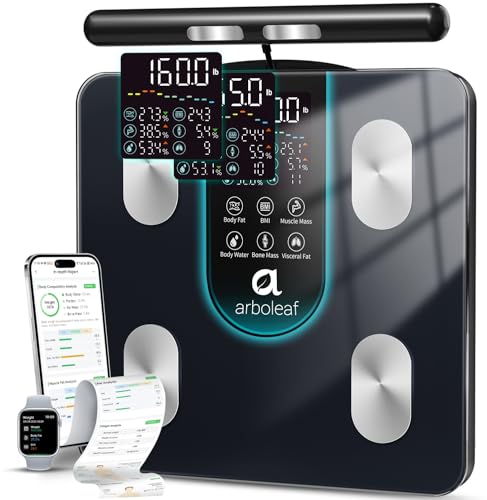
arboleaf Smart Scale for Body Weight, 8-Electrode Dual-Frequency BIA Bathroom Scale with 7-in-1 Display for BMI Body Fat Muscle Mass, Segmental Full Body Composition Analyzer, 50+ Metrics in App
Dual-Frequency 8-Electrode Smart Scale for Full-Body Accuracy - This scale for body weight uses an 8-electrode system with...
As an affiliate, we earn on qualifying purchases.
Frequently Asked Questions
How Often Should I Schedule a Digital Detox?
You should schedule a digital detox at least once a month to manage your screen time and combat tech addiction. Regular breaks help you recharge mentally, prevent burnout, and improve focus. If you notice increased anxiety or difficulty disconnecting, consider more frequent detoxes. Remember, staying mindful of your digital habits is key to maintaining balance and ensuring your mental wellness. Consistency makes the benefits more effective and sustainable.
Can Digital Detoxing Improve My Sleep Quality?
Yes, digital detoxing can improve your sleep quality by reducing screen time before bed, which helps maintain better sleep hygiene. When you limit exposure to blue light from screens, your melatonin production increases, making it easier to fall asleep and stay asleep. By scheduling regular digital detoxes, especially in the evening, you promote healthier sleep patterns and enhance overall rest, leading to better mental and physical well-being.
What Are Signs I Need a Digital Detox?
You need a digital detox if you notice signs like tech addiction, where you can’t stop checking your devices, or social media fatigue, leaving you exhausted and overwhelmed. If you’re struggling to focus, feeling anxious, or neglecting real-life connections, it’s time to step back. These signs show your mental wellness may be suffering, and a break from screens can help restore balance and clarity.
Are There Specific Apps to Help With Digital Detox?
Yes, there are specific apps to help with digital detox. You can use screen time tracking apps like Moment or RescueTime to monitor your usage, and app blocking tools like Freedom or StayFocusd to limit distractions. These tools enable you to set boundaries, reduce unnecessary screen time, and foster healthier digital habits. By actively managing your device use, you’ll find it easier to disconnect and focus on your mental wellness.
How Do I Handle Work Emails During a Detox?
During a digital detox, handle work emails by setting clear boundaries. Use email management tools to schedule specific times for checking your inbox, preventing constant interruptions. Consider doing an inbox detox beforehand, deleting unnecessary messages and prioritizing essential ones. Inform colleagues of your detox plan to manage expectations. This way, you protect your mental wellness while maintaining professionalism, and you can fully disconnect without feeling overwhelmed by work emails.

GE Smart Scale for Body Weight: 8-Electrode Digital Bathroom Scale for Weight Fat BMI Muscle Mass Full Body Composition Analyzer 50 Measurements Bluetooth Highly Accurate Weighing Machine 400lb Black
COMPREHENSIVE AND HIGHLY ACCURATE: The GE smart scale utilizes 8-electrode dual-frequency and segmental BIA technology, segmenting the body...
As an affiliate, we earn on qualifying purchases.
Conclusion
Taking a digital detox isn’t just a small step; it’s like hitting a reset button on your mind. By unplugging, you give yourself the space to breathe, reflect, and regain control over your mental wellness. Imagine reclaiming hours lost to endless scrolling—your mind will thank you more than you can imagine. So go ahead, disconnect today, and watch your mental clarity skyrocket. Your best self is waiting on the other side of that screen!

Brother SE2000 Computerized Sewing and Embroidery Machine
ARTSPIRA MOBILE APP: Access 50 free embroidery designs, make custom embroidery patterns by drawing on your mobile device,...
As an affiliate, we earn on qualifying purchases.

Brother SE2000 5" x 7" Combo Embroidery & Sewing Machine with 5pc Embroidery Hoop Set, Embroidery Threads & Accessories Kit
Brother SE2000 5" x 7" 2-in-1 Sewing & Embroidery Machine with 5pc Embroidery Hooop Set, 40 Spools of...
As an affiliate, we earn on qualifying purchases.