

Saving money can bring feelings of security and control, boosting your confidence as you reach milestones. However, it also triggers stress and anxiety, especially when worries about unexpected expenses or insufficient savings arise. Guilt about comparing yourself to others or sacrificing pleasures may add to internal conflict. To manage these emotions, it helps to set realistic goals and reframe saving as self-care. Exploring these emotional facets can help you develop a healthier, more balanced approach—if you want to uncover more, keep going.
Key Takeaways
- Saving provides a sense of security and control, boosting confidence and acting as self-care for future stability.
- Financial stress and anxiety can cause sleepless nights and avoidance behaviors around money management.
- Guilt about spending or comparing savings with others can create internal conflict and emotional strain.
- Recognizing and reframing emotions helps maintain a healthy, balanced saving mindset.
- Setting realistic goals and integrating enjoyment promotes a positive attitude towards saving and spending.

Have you ever wondered why saving money can feel so rewarding—and sometimes so stressful? It’s because the emotional side of saving runs deeper than just numbers on a bank statement. When you set aside money, you tap into feelings of security and control, which can boost your confidence. But at the same time, it can trigger financial anxiety, making you worry if you’re saving enough or if unexpected expenses will derail your plans. These worries can make the act of saving feel like a balancing act on a tightrope, where every dollar saved seems to come with a hefty mental toll.
You might also experience saving guilt—guilt that stems from comparing yourself to others or feeling like you should be doing more with your money. Perhaps you see friends splurging on travel or gadgets, and instead of feeling happy for them, you feel guilty for not indulging yourself. This guilt can cause internal conflict, making the act of saving feel less like a positive choice and more like a sacrifice. It’s easy to get caught in this cycle, where the more you save, the more you second-guess whether you’re making the right decisions.
These emotional responses are normal, but they can also be overwhelming. Financial anxiety can cause sleepless nights, and saving guilt can lead to feelings of deprivation or resentment. You might find yourself avoiding checking your bank account altogether or feeling guilty every time you spend a small amount. This emotional roller coaster can undermine your motivation and make saving seem like a chore rather than a beneficial habit. Recognizing these feelings is the first step toward managing them. Instead of viewing saving as a punishment, try framing it as a form of self-care—an act of securing your future or reaching your goals.
It’s also helpful to set realistic, flexible goals that align with your values and lifestyle. When you’re not overly strict or perfectionist about saving, you reduce the chances of feeling guilty or anxious. Remember, saving isn’t about depriving yourself; it’s about creating a balance where you can enjoy today while preparing for tomorrow. If you notice feelings of guilt or anxiety creeping in, take a moment to reflect and remind yourself of your intentions. Saving money is a journey filled with emotional ups and downs, but with awareness and compassion for yourself, you can make it a more positive experience. Recognizing the importance of emotional responses in financial habits can help you develop healthier attitudes toward saving. Incorporating regional flavors and cultural insights into your approach can also provide a comforting perspective and motivation to stay balanced. Additionally, understanding affiliate disclosure and privacy policies can help you make informed decisions about your financial information and online activities, further supporting your emotional well-being in the saving process.
Furthermore, understanding psychological factors behind financial behaviors can empower you to break free from negative patterns and foster a healthier relationship with money. Exploring the comogenic ratings of skincare products can also serve as a reminder that choosing what’s best for your skin involves mindful decision-making, similar to the emotional awareness needed in financial habits.

Stress Management for Women: Understanding Your Personal Stress Triggers, Managing the Various Stress Areas, Becoming Comfortable with Self-Care and Stress-Relief Techniques (Women's Topics)
As an affiliate, we earn on qualifying purchases.
As an affiliate, we earn on qualifying purchases.
Frequently Asked Questions
How Can I Stay Motivated to Save Consistently?
To stay motivated to save consistently, practice mindful budgeting by setting clear, achievable goals that resonate with your values. Stay emotionally aware of your spending habits and celebrate small victories along the way. Remind yourself why saving is important to you, whether for security or future dreams. Keep track of your progress and adjust your goals as needed, so saving remains a positive, empowering experience rather than a chore.
What Should I Do if Saving Causes Me Anxiety?
If saving causes you anxiety, practice financial mindfulness by understanding your money habits and setting realistic goals. Focus on the positive impact of saving rather than stressing over every expense. Use anxiety management techniques like deep breathing or journaling to stay calm. Remember, progress is gradual. Celebrate small victories and be gentle with yourself, knowing that building healthy financial habits takes time and patience.
How Do I Balance Saving With Enjoying Life?
Imagine your financial boundaries as a sturdy bridge between saving and enjoying life. To balance both, stay emotionally aware of your spending triggers and set clear limits. You don’t need to cross every river; instead, choose moments to indulge, knowing your savings are secure. By maintaining this balance, you keep your financial bridge strong, allowing you to enjoy the journey without guilt or anxiety.
Can Emotional Spending Sabotage My Savings Goals?
Yes, emotional spending can sabotage your savings goals. When impulse spending is driven by emotional triggers like stress or boredom, you might buy things you don’t need, making it harder to save. To prevent this, recognize your emotional triggers and develop healthier coping strategies. Setting clear limits and practicing mindful spending help you stay on track, ensuring your emotions don’t control your financial future.
How Do I Handle Guilt Over Spending on Myself?
Guilt over spending on yourself can feel like a tidal wave, but managing it is possible. Practice guilt management by recognizing that self-care isn’t selfish; it’s essential. Embrace self-compassion, reminding yourself that rewarding your efforts fuels motivation. Set boundaries for spending and prioritize your well-being. Remember, balancing saving with self-indulgence is fundamental—you’re worth it, and nurturing yourself helps you stay on track long-term.

My Money Mindset Journal: Manifest, Budget & Grow
As an affiliate, we earn on qualifying purchases.
As an affiliate, we earn on qualifying purchases.
Conclusion
Remember, saving money isn’t just about numbers—it’s a journey through your feelings and fears. By understanding the emotional side, you can turn saving into a steady stream rather than a storm of stress. Embrace small wins like building a nest egg, and soon you’ll see your financial confidence grow like a tree reaching toward the sky. Keep nurturing that emotional connection, and your savings will flourish, transforming worries into a foundation of security you can count on.
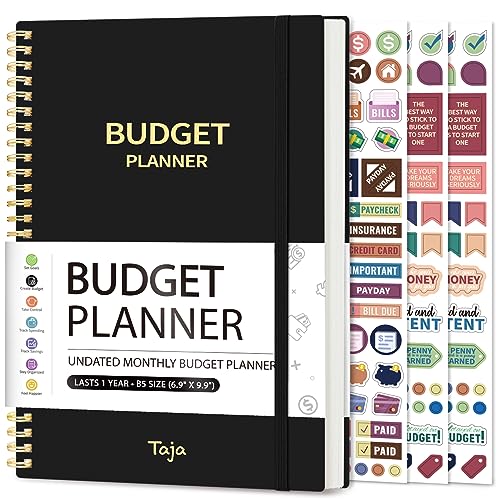
Budget Planner – Monthly Budget Book with Expense Tracker Notebook, Undated Bill Organizer & Finance Planner to Take Control of Your Money, Account Book to Manage Your Finances-Black
Effective Budget Planning – Take control of your finances with the budget account book. This comprehensive planner allows…
As an affiliate, we earn on qualifying purchases.
As an affiliate, we earn on qualifying purchases.

Thirty Days of Happy Financial Self-Care Journal
As an affiliate, we earn on qualifying purchases.
As an affiliate, we earn on qualifying purchases.