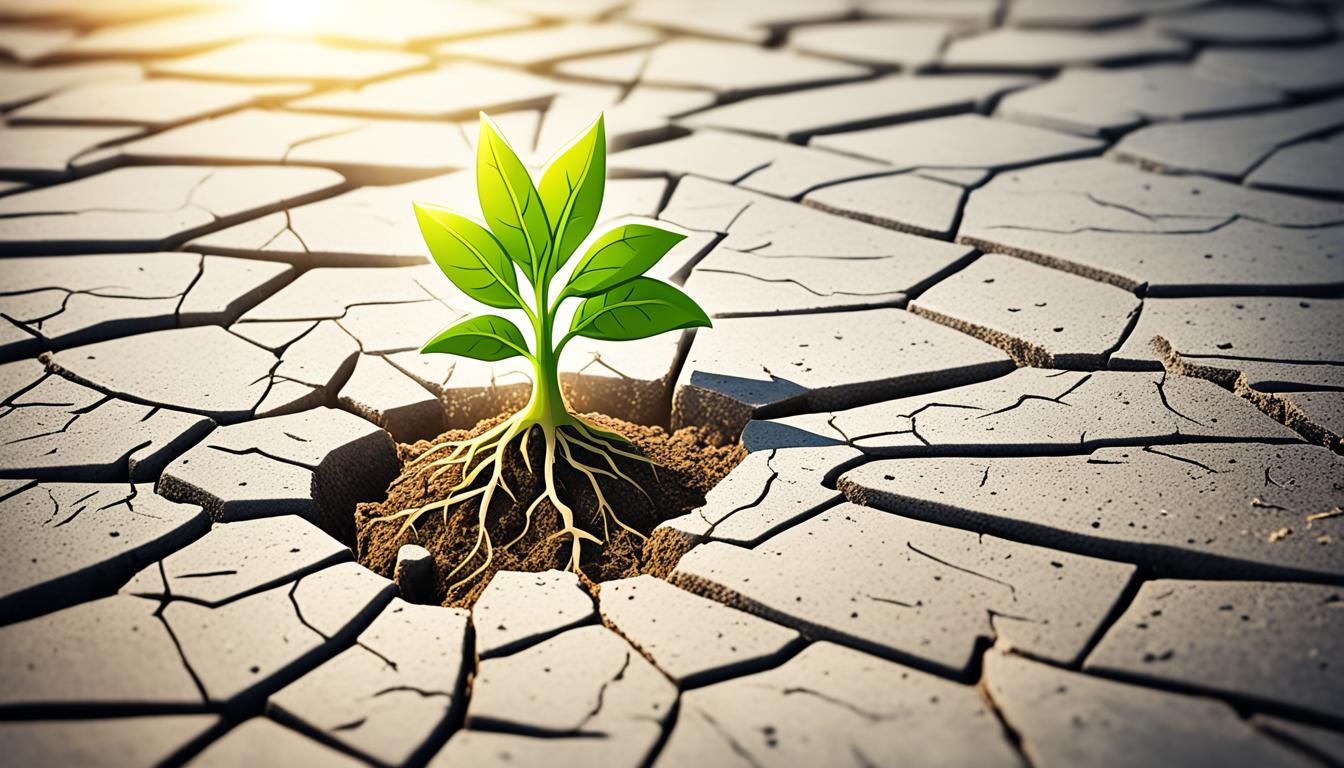
Practicing gratitude rewires your brain to focus on positives, boosting your overall well-being and resilience. It shifts your mindset from lack to abundance, reducing stress and enhancing mood. Regular gratitude journaling and mindfulness help you notice small joys and live more in the present moment. This scientifically-supported approach builds neural pathways associated with happiness and strength. If you keep exploring, you’ll discover more ways to harness gratitude’s powerful effects on your life.
Key Takeaways
- Scientific studies show gratitude enhances mood, reduces stress, and rewires the brain to focus on positive stimuli.
- Practicing gratitude through journaling increases mindfulness and daily awareness of small joys and blessings.
- Regular gratitude exercises strengthen neural pathways linked to happiness and resilience over time.
- Even brief daily gratitude reflections can significantly improve mental health and foster a more optimistic outlook.
- Understanding the science behind gratitude motivates sustained practice, promoting overall well-being and emotional strength.
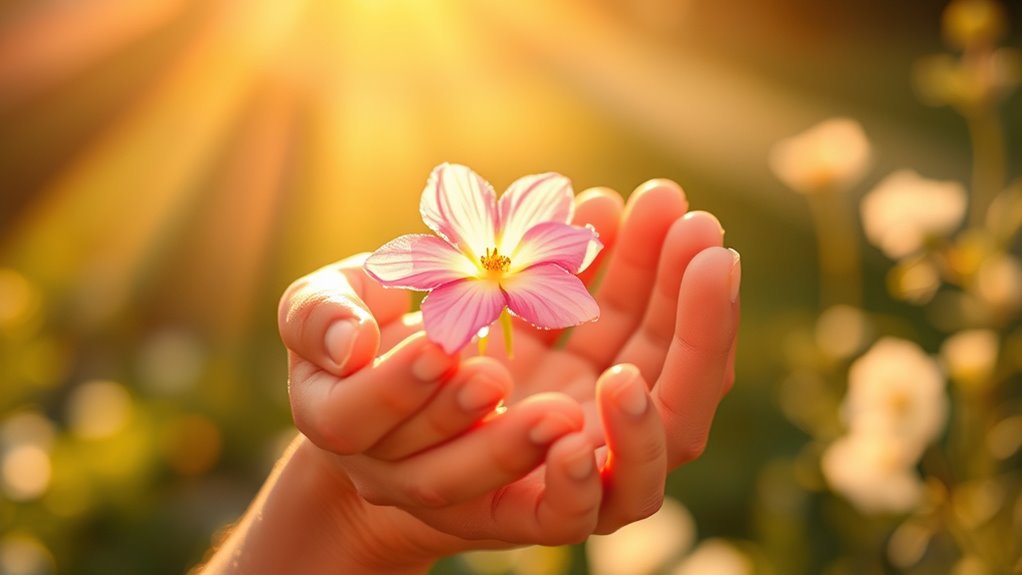
Gratitude is a powerful practice that can transform your outlook on life and improve your overall well-being. When you make a habit of recognizing what you’re thankful for, you start to shift your focus from what’s lacking to what’s abundant in your life. One effective way to cultivate gratitude is by keeping a gratitude journal. By regularly jotting down things you’re grateful for, you reinforce positive thinking and develop a deeper sense of appreciation for everyday moments. This simple habit can boost your mood, reduce stress, and foster a more optimistic perspective.
Practicing gratitude shifts your focus to life’s abundance, boosting mood and fostering positivity daily.
In addition to fostering positive emotions, practicing gratitude enhances mindfulness benefits. When you focus on gratitude, you become more present and aware of your surroundings, your feelings, and your experiences. Mindfulness benefits from this heightened awareness because it encourages you to live in the moment rather than dwelling on past regrets or future worries. A gratitude journal acts as a mindfulness tool, helping you notice and savor small joys that might otherwise go unnoticed. Over time, this cultivates a more mindful approach to life, allowing you to appreciate the present instead of constantly chasing after more.
Furthermore, consistent gratitude practice can rewire your brain to be more attuned to positive stimuli. When you routinely acknowledge what you’re thankful for, you strengthen neural pathways associated with happiness and contentment. This means that, with time, you’ll naturally start to see more good in your daily life, even amid challenges. Keeping a gratitude journal serves as a tangible record of these positive moments, making it easier to revisit and reinforce feelings of thankfulness during tough times. It’s a simple yet powerful way to build resilience and emotional strength.
You might find it helpful to set aside a few minutes each day to reflect on what you’re grateful for and write it down. This practice doesn’t have to be elaborate; even listing three things each day can considerably impact your mental health. Over time, you’ll notice a shift in your mindset, feeling more connected, joyful, and less overwhelmed. Gratitude isn’t just about feeling good temporarily—it’s a skill you develop, and like any skill, it gets stronger with practice. Starting a gratitude journal is an accessible step to incorporate into your daily routine, and you’ll likely discover that the more you focus on gratitude, the more natural it becomes to see life’s blessings, big and small. Additionally, understanding the science behind gratitude can motivate you to stay consistent with this beneficial habit.
Frequently Asked Questions
How Does Gratitude Influence Physical Health?
Gratitude boosts your physical health by strengthening the mind-body connection and enhancing your immune response. When you practice gratitude regularly, it reduces stress, which lowers inflammation and improves overall immune function. This positive mindset encourages better sleep and healthier habits, making your body more resilient to illness. As you cultivate gratitude, you support your body’s ability to heal and stay strong, directly benefiting your physical well-being.
Can Gratitude Practices Improve Mental Health Long-Term?
Yes, gratitude practices can improve your mental health long-term. Engaging in gratitude interventions helps you focus on positive aspects of life, boosting emotional resilience. Regularly practicing gratitude can reduce feelings of depression and anxiety while increasing overall well-being. Over time, these habits strengthen your ability to cope with stress, fostering a more optimistic outlook. Consistent gratitude exercises truly can make a lasting, beneficial impact on your mental health.
What Are Effective Ways to Cultivate Gratitude Daily?
You can cultivate gratitude daily by practicing mindfulness meditation, which helps you become more aware of positive aspects in your life. Additionally, try journaling exercises where you write down things you’re thankful for each day. These habits encourage you to focus on the good, boost your mood, and develop a consistent gratitude mindset. Incorporating both mindfulness and journaling makes it easier to recognize and appreciate life’s blessings regularly.
Is Gratitude Equally Beneficial Across Different Cultures?
Gratitude acts like a universal language, but it doesn’t speak the same dialect everywhere. Cultural differences influence how you express and experience gratitude, making it more beneficial in some cultures than others. Your gratitude expression might be more outwardly shown in one society, while more reserved in another. Recognizing these variations helps you appreciate the unique ways gratitude can boost well-being across diverse cultural landscapes.
How Does Gratitude Impact Relationships and Social Bonds?
Gratitude strengthens relationships by fostering emotional connection and trust development. When you express appreciation, you show others that you value them, which deepens bonds. This openness encourages reciprocal kindness, creating a positive cycle. As trust builds, your social bonds become more resilient and meaningful. By consistently practicing gratitude, you enhance your emotional connection with others, making relationships more satisfying and enduring over time.
Conclusion
You might think gratitude is just a warm feeling, but science shows it rewires your brain and boosts your happiness. When you practice gratitude, you shift from focusing on what’s missing to appreciating what’s there, much like turning a cloudy day into sunshine. So, even on tough days, choose to see the good. Because in the end, gratitude isn’t just a fleeting emotion—it’s a powerful tool to transform your life, one thank you at a time.