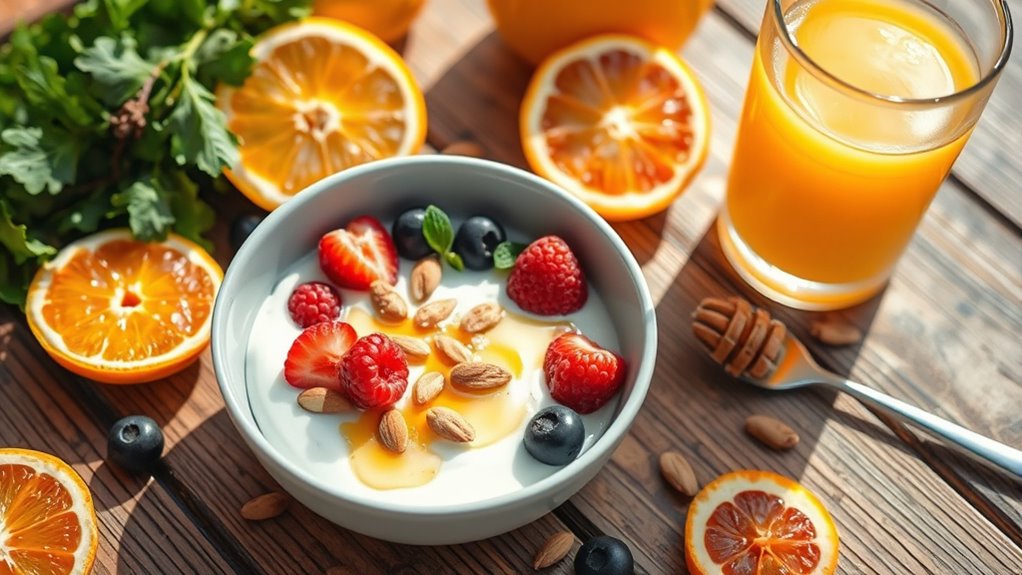

Your mood is closely tied to what you eat, especially nutrients that support serotonin production and blood sugar stability. Consuming foods rich in tryptophan, like turkey and nuts, can boost your happy hormones, while balanced meals with healthy fats, proteins, and complex carbs help keep your blood sugar steady. Avoiding sugary and processed foods prevents mood swings and irritability. By understanding these basics, you’ll discover simple ways to enhance your emotional well-being through smarter food choices.
Key Takeaways
- Nutrient-rich foods support brain chemistry and emotional well-being by providing serotonin precursors like tryptophan.
- Stable blood sugar levels, maintained through complex carbs and balanced meals, prevent mood swings and irritability.
- Foods such as bananas, oats, and dairy enhance serotonin production, promoting happiness and emotional stability.
- Avoiding processed foods and sugary snacks helps prevent blood sugar spikes that can cause mood fluctuations.
- Mindful dietary choices, including healthy fats and lean proteins, strengthen mental resilience and overall emotional health.
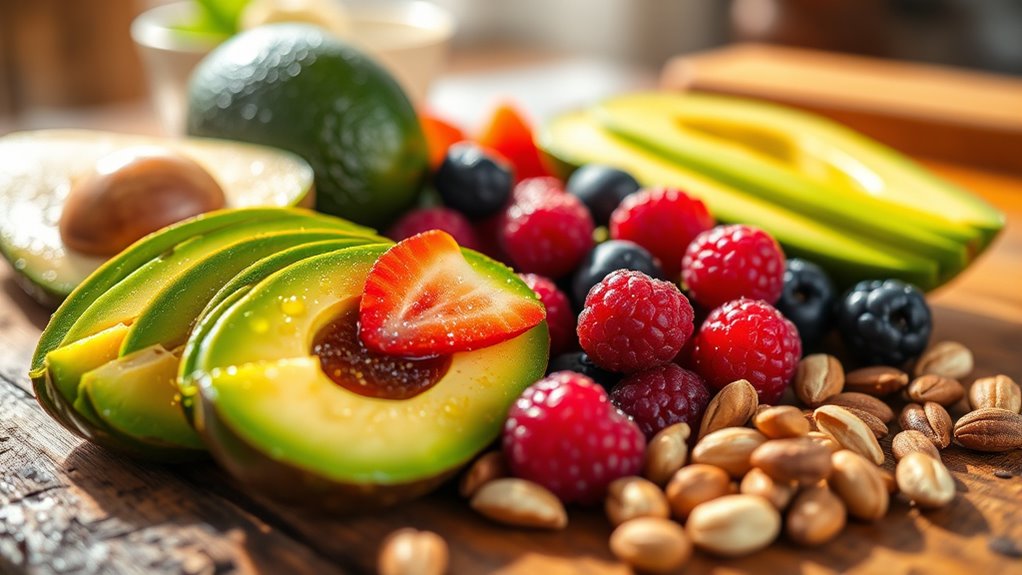
Have you ever wondered how what you eat influences how you feel? Your mood isn’t just about your thoughts or circumstances; it’s deeply connected to the food you put into your body. When you choose nutrient-rich meals, you support your brain chemistry and emotional well-being. One key aspect involves serotonin precursors—nutrients like tryptophan, found in foods such as turkey, eggs, and nuts—that help your body produce serotonin, often called the “feel-good” hormone. Adequate intake of these precursors can boost your mood and reduce feelings of anxiety or depression. But it’s not just about eating the right foods; how your blood sugar levels behave throughout the day also plays a crucial role.
What you eat impacts your mood through serotonin precursors and blood sugar stability.
Blood sugar stability is vital because rapid spikes and crashes in blood glucose can lead to mood swings, irritability, and fatigue. When you eat foods high in refined carbs or sugar, your blood sugar spikes quickly, prompting your pancreas to release insulin. This sudden surge can cause your blood sugar to plummet just as fast, leaving you feeling irritable, anxious, or sluggish. Consistently maintaining blood sugar stability means choosing complex carbohydrates like whole grains, vegetables, and legumes, which digest more slowly and help keep your blood glucose levels steady. When your blood sugar remains stable, your brain receives a consistent supply of energy, which supports balanced mood and mental clarity.
Eating balanced meals that include healthy fats, lean proteins, and fiber-rich carbs not only helps in blood sugar regulation but also ensures your brain has a steady supply of essential nutrients. This means avoiding excessive intake of processed foods and sugary snacks, which can cause those harmful highs and lows. Incorporating foods that are rich in serotonin precursors, such as bananas, oats, and dairy, can further support your mood by promoting serotonin production. Additionally, consuming Pimple Patch ingredients like hydrocolloid can help treat blemishes more effectively, supporting your skin’s health and confidence. Combined with blood sugar stability, these nutrients create a foundation for emotional resilience and mental well-being.
Your choices matter. By focusing on foods that promote blood sugar stability and provide the necessary serotonin precursors, you can influence how you feel each day. This isn’t about strict dieting but about making smarter, more mindful choices that support your mood naturally. When you understand the connection between your diet and your emotions, you empower yourself to take control of your mental health through everyday nutrition. Small adjustments—like swapping refined carbs for whole foods or adding mood-boosting nutrients—can make a meaningful difference in how you experience each day.

Serotonin Brain Food – 1250mg L-Tryptophan & 400mg Rhodiola Rosea Supplement – Mood Support Supplement for Stress Relief – Neurotransmitter Support with Magnesium Glycinate & Zinc – 60 Capsules
Powerful Serotonin Support Formula – Designed to support serotonin production already within healthy, normal levels. This formula combines…
As an affiliate, we earn on qualifying purchases.
As an affiliate, we earn on qualifying purchases.
Frequently Asked Questions
Can Specific Foods Instantly Improve Mood?
Certain foods can act as instant mood boosters, but their effects vary. You might notice a quick lift by eating foods rich in serotonin precursors, like bananas or dark chocolate. This highlights the food mood connection, where specific nutrients influence your brain chemistry. While some foods can provide immediate relief, sustained mood improvements depend on your overall diet. Keep experimenting to find what works best for you.
How Does Hydration Influence Mental Well-Being?
Think of your brain like a delicate garden, thriving with proper hydration. When you’re well-hydrated, electrolyte balance stays intact, boosting your concentration and mental clarity. Dehydration, like with a wilting flower, hampers your mood and focus, making you irritable and sluggish. Drinking enough water helps maintain your mental well-being, ensuring your mind stays sharp and balanced—like a well-tended garden in full bloom.
Are Supplements Effective for Mood Enhancement?
Supplements can help boost your mood, but their effectiveness depends on supplement safety and nutrient absorption. When you choose high-quality supplements, they’re more likely to deliver the nutrients your brain needs to support emotional well-being. However, be cautious, as not all supplements are tested thoroughly. Proper absorption is essential, so consider taking them with food or as recommended. Always consult a healthcare professional to guarantee safety and maximize benefits.
What Role Do Probiotics Play in Mood Regulation?
Probiotics can totally transform your mood by supercharging your gut bacteria and boosting microbiome diversity, which influences your brain’s happiness signals. When you take probiotics, you’re feeding your gut with good bacteria that can reduce stress and anxiety, making you feel more balanced and upbeat. It’s like giving your gut a tiny army of mood warriors, helping you stay emotionally resilient and happier every day.
How Does Meal Timing Affect Emotional Stability?
You might notice that meal timing impacts your emotional stability. Skipping meals can lead to insulin spikes when you finally eat, causing mood swings and irritability. Regular, balanced meals help maintain steady blood sugar levels, supporting emotional balance. Eating at consistent times prevents drastic insulin fluctuations, helping you stay calmer and more focused throughout the day. So, don’t skip meals; your mood will thank you.

THE COMPLETE HYPOGLYCEMIA MEAL PREP DIET COOKBOOK FOR BEGINNERS: Stabilize Blood Sugar Naturally with 130+ Easy Meal Prep Recipes, Smart Snacks, and Practical Plans to Prevent Crashes, Boost Energy
As an affiliate, we earn on qualifying purchases.
As an affiliate, we earn on qualifying purchases.
Conclusion
Think of your mood like a garden; what you feed it determines what blooms. When you choose nourishing foods, like fruits, vegetables, and whole grains, you’re watering your mental health, helping positive feelings flourish. I once knew someone who shifted to a balanced diet and noticed their anxiety fade—like sunlight breaking through clouds. Remember, your diet sets the stage for your mood. Cultivate it wisely, and watch your emotional landscape thrive.

NOW Foods Supplements, L-Tryptophan 500 mg, Encourages Positive Mood*, Supports Relaxation*, 120 Veg Capsules
An essential amino acid that is not synthesized by the body and must be obtained by diet or…
As an affiliate, we earn on qualifying purchases.
As an affiliate, we earn on qualifying purchases.
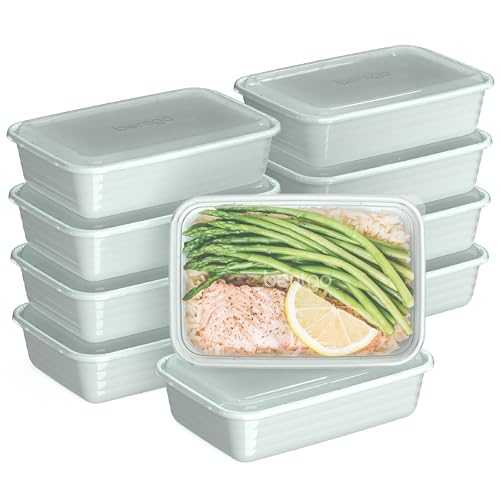
Bentgo Prep – 20-Piece 1-Compartment Reusable Meal Prep Containers with Lids, PFAS & BPA Free Materials, Durable, Microwave, Freezer, & Dishwasher Safe To Go Food Storage (Mint)
#1 Brand Pick for Meal Prep Containers: Bentgo is the top pick for meal prep containers!* This lightweight,…
As an affiliate, we earn on qualifying purchases.
As an affiliate, we earn on qualifying purchases.