TL;DR
A premium Ring security bundle usually pairs a camera or doorbell with other equipment, while recorded video, clip storage, and some smart features generally depend on an eligible Ring Home subscription. Compare each device’s coverage and power needs, then calculate hardware and subscription costs over the period you expect to use the system.
A bundle can put a sharp 4K camera, a doorbell, and a chime in one box, yet still leave you with a question that matters more than the packaging: what will it actually record, and for how long? Premium Ring security bundles combine devices and sometimes services, but the exact contents change from one package to another.

Turn your quiet moments into listening time
- Thousands of audiobooks, podcasts and originals
- Listen on your phone, tablet or Echo — also offline
- Cancel anytime
This guide helps you compare bundles by the job each device does: watching an entrance, covering a driveway, or alerting you when a door opens. You’ll also see where a Ring Home subscription fits, how to check power and Wi-Fi, and how to think about privacy before placing a camera.
If you’re replacing a multi-camera pack that you can’t find, start with the areas you need to cover rather than trying to match the old box item for item. A doorbell and one outdoor camera may suit a small front entry; a larger property may call for several viewpoints or an alarm kit. The right bundle is a coverage plan, not simply the biggest number of devices.
A Ring device can offer live view and motion alerts without a paid plan; recorded video and clip sharing generally depend on an eligible subscription.
Compare hardware and Ring Home service separately, and include renewal costs for the length of time you expect to use the system.
Match each camera or doorbell to a location, then check field of view, motion features, power, Wi-Fi band, and installation needs.
Professional monitoring is not automatic; verify supported availability and response features for your region and address.
Review camera angles, shared-user access, two-step verification, and recording retention before the system starts capturing video.
Know what a premium Ring bundle actually includes
A premium Ring security bundle is a package of Ring equipment that may combine a camera or video doorbell with accessories, an alarm system, or a subscription offer. The label alone does not tell you what records video, what stores clips, or whether professional monitoring is included. Read the product contents and service terms as two separate parts of the offer: hardware determines what you can install, while the service terms determine which functions continue after a trial.
For instance, one package might pair a wired doorbell with a chime, while another combines a battery doorbell and a spotlight camera. A larger security bundle might add an alarm base station and contact sensors. Those products solve different problems: the doorbell shows who approaches the front step; an outdoor camera covers a side gate; a sensor can alert you when a door opens. A bundle with more pieces can still leave a gap if its devices duplicate the same view or do not cover the entrance you care about.
Terms can also vary by country, retailer, and promotion. A trial or introductory service offer may appear alongside hardware, but that doesn’t mean the service is included indefinitely. Check the exact device count, model names, accessories, trial length, subscription renewal terms, and local monitoring availability before comparing two packages. These details affect both the initial setup and the system’s ongoing cost.
Think of the box as a map of possible coverage, not a promise that every corner of your home will be watched. If a listing says “camera bundle,” look for the camera models and quantities. If it says “security system,” confirm that the sensors and base station you need are actually in the box. Then map each device to a location; this reveals whether the package solves a real coverage problem or simply offers a lower per-device price.
Products Worth Considering

Garmin Forerunner® 165 Running Smartwatch 43mm Black

Oral-B iO5 Rechargeable Electric Toothbrush with 5 Cleaning Modes and Travel Case, White

Levoit Vital 100S-P Air Purifier with Washable Pre-Filter
As an affiliate, we earn on qualifying purchases.
Separate live viewing from recordings and paid features
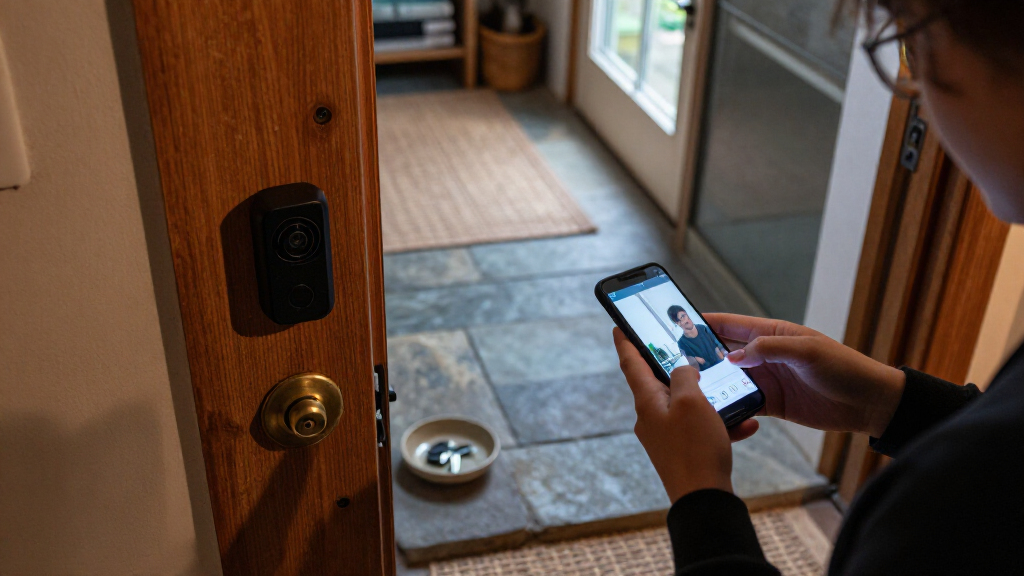
Ring cameras and doorbells can offer live view and motion alerts without a paid plan, while recorded video history, saving and sharing clips, and some AI-powered features generally require an eligible subscription. That distinction changes how useful a bundle feels day to day: seeing a delivery live is different from reviewing a clip after you return home. Decide which of those outcomes matters before comparing hardware prices.
Imagine a courier leaves a parcel while you’re at work. A live alert may tell you someone is at the door, but if you want to replay the visit later, check whether your device and current plan support recording and saved video. Without that history, an alert can tell you something happened without preserving the evidence you hoped to review. Ring has been expanding its subscription branding and features under Ring Home; plan names and included tools may change, and availability can depend on region and device.
Before buying, check the current regional plan page for the supported devices, recording history period, device limits, AI features, trial terms, and renewal price. Don’t assume a feature announced for one market or model works everywhere. Language support and eligibility can differ too. The recording-history period matters if you may be away or unable to review alerts for several days; a shorter history can limit how far back you can investigate an event.
A practical way to compare is to list what you want to do after an alert. If you only need a live look at the porch, your needs may be modest. If you want a timeline of clips to review, share, or save, the subscription becomes part of the system’s ongoing cost. This also changes the value calculation: a cheaper bundle may cost more over several years if it requires a plan you otherwise would not have bought.
Hardware answers what you can see live; the service often determines what you can review later.
Compare replacement devices by where they will watch
Premium Ring security bundles are easier to compare when you match each device to a specific viewing area. A camera’s resolution matters, but so do its field of view, motion detection, power source, and mounting position. A high-resolution camera pointed at a wall or blocked by a porch post won’t give you useful coverage. Field of view also involves a tradeoff: a wider view can include more of a yard, while a narrower or better-positioned view may make visitors and activity easier to identify.
If you’re replacing a battery outdoor camera pack, the Spotlight Cam 4K Pro (Plug-In) is one alternative in the supplied product information: it offers 4K video, a 140° horizontal by 85° vertical field of view, advanced 3D motion detection with customizable zones, and dual-band Wi-Fi 6. It uses a long USB-C cable and adapter, so check that a suitable outlet and cable route are practical before choosing it. The plug-in power can avoid charging a battery, but it makes the mounting point dependent on an accessible outlet and a safe cable path.
For an entrance, the Wired Doorbell Pro (3rd Gen) has a 140° by 140° field of view, 3D motion detection, and dual-band Wi-Fi 6. The Wired Doorbell Plus (2nd Gen) also lists a 140° by 140° view and 2K video, while the Battery Doorbell Plus (2nd Gen) offers a battery option and a square 1:1 view. These are not interchangeable with a yard camera: their placement and purpose differ. A doorbell’s view is designed around the approach to an entry, while an outdoor camera can be positioned to observe a broader area; choosing the wrong type can leave the important activity outside the frame.
For example, if a narrow front path is the main concern, a doorbell may frame visitors and parcels better than a side-mounted camera. If you need to see a detached garage, an outdoor camera is a better fit. Sketch the view from each mounting point before you select a bundle. This helps you judge whether the listed field of view covers the route people actually take, rather than relying on resolution as a proxy for useful coverage.
Use this table to match a device to your setup
Choose the device whose coverage and power fit the location, then compare resolution and connectivity. The supplied specifications point to distinct use cases: a plug-in spotlight camera suits an outdoor view with nearby power, while wired and battery doorbells serve the entry in different ways. A specification is useful only in context: the same field of view can produce different results depending on mounting height, obstructions, and distance from the subject.
| Device | Video and view | Motion and audio | Power and connection | Best fit to investigate |
|---|---|---|---|---|
| Spotlight Cam 4K Pro (Plug-In) | 4K; 140° horizontal, 85° vertical | 3D motion zones; two-way talk with Audio+ | USB-C cable and adapter; dual-band Wi-Fi 6 | Driveway, side yard, or another outdoor area with a suitable outlet |
| Wired Doorbell Pro (3rd Gen) | Resolution not specified in supplied comparison; 140° × 140° | 3D motion zones; two-way talk with Audio+ | Compatible doorbell wiring or a separately sold adapter; dual-band Wi-Fi 6 | Front entry with compatible existing wiring |
| Wired Doorbell Plus (2nd Gen) | 2K; 140° × 140° | Mobile alerts; two-way talk | Wired model; dual-band Wi-Fi 6 | Entry where wired installation suits the home |
| Battery Doorbell Plus (2nd Gen) | Retinal 2K, up to 6× enhanced zoom; 140° × 140°, 1:1 | Advanced motion zones; two-way talk | Quick Release Battery Pack or Ultra Battery Pack; 2.4 GHz Wi-Fi 4 | Entry without relying on doorbell wiring |
That table is a starting point, not a substitute for checking the current listing and installation guide. Specifications and included accessories can vary by package or region. The Battery Doorbell Plus, for example, uses single-band 2.4 GHz Wi-Fi, while the listed Spotlight Cam and wired doorbells support dual-band Wi-Fi 6. That difference can rule out a device if your network does not support its band at the installation point, even when the camera otherwise fits the job.
Picture a router at the back of a long house and a camera on a detached garage. A better camera spec won’t fix weak Wi-Fi at that spot. Check signal strength where you plan to mount the device, and consider whether your network or installation can support it. The practical tradeoff is between choosing a more capable device and placing it where it can maintain a reliable connection; a dropped connection undermines alerts and live access regardless of resolution.
Calculate the real cost over the time you’ll use the system
Compare the bundle’s hardware cost and subscription cost across the same period; a discounted first year can hide the regular renewal cost. A simple one-year comparison can reveal whether a bundle saves money once the service is included. For a fair comparison, include only services you expect to use, but count them for the full period you expect to own the system.
- Write down the exact devices. Record each model, quantity, power accessory, chime, sensor, and any other item included. This prevents a package with fewer or different accessories from appearing equivalent because its headline device count is similar.
- Compare hardware alone. Look at the bundle against the same devices purchased separately, matching model and quantity rather than relying on a similar-sounding name. Include any separately purchased power adapters or installation parts needed to make the setup work.
- Add the service you need. Use the current Ring Home plan terms for your region, including any trial and renewal period. If recordings are essential, treat the plan as part of the system cost rather than an optional extra.
- Extend the math to your expected ownership. If you expect to use the cameras for several years, include recurring service for that period instead of stopping at the introductory offer. This shows how a modest annual fee can outweigh an initial hardware discount over time.
- Check what happens if you cancel. Confirm which live features remain and what happens to stored recordings under the current terms. Cancellation can change the system’s usefulness, so understand that outcome before relying on recorded history.
For example, a homeowner comparing a three-camera pack with a doorbell bundle should count how many areas each package covers. If the three-camera kit leaves the front entrance uncovered, a lower device count may still be the more useful purchase. Then add the plan cost for the number of years the household expects to keep the service. This compares what each option will actually do, rather than treating every camera as an interchangeable unit.
Prices, plan terms, and promotions change, so use current regional pages and the retailer’s exact listing rather than an old screenshot or a general estimate. A spreadsheet with columns for hardware, installation, service, and included accessories keeps the comparison honest. The goal is to understand the recurring commitment before you buy and avoid choosing a package whose low upfront price depends on costs or equipment you had not included.
Check power, Wi-Fi, and installation before choosing
A bundle fits only if its devices can be powered and connected where you want to place them. Battery equipment gives you placement flexibility, while wired products depend on compatible wiring or an accessible outlet. Wi-Fi coverage matters too, especially for cameras mounted far from your router. These constraints affect more than convenience: if a camera cannot stay powered or connected, its alerts and live view may be unreliable at the location you bought it to cover.
The Spotlight Cam 4K Pro listed here uses a 17.8-foot USB-C cable with an adapter. That may work well on a garage wall with a protected outlet, but not on a detached shed with no power. The Wired Doorbell Pro (3rd Gen) lists compatible transformer or adapter requirements; check the voltage and power rating before assuming your existing chime wiring will work. A quick compatibility check can prevent buying a wired model that requires additional equipment or installation work.
A battery doorbell avoids that wiring dependency, though you’ll need to maintain and recharge its battery. Think about winter weather, how often the camera records activity, and whether the mounting point is easy to reach. If your front door opens onto a busy pavement, frequent motion may mean more alerts and battery use than a quiet porch. That creates a practical choice between easier placement and the recurring effort of charging; a hard-to-reach mounting point makes battery maintenance less convenient.
For connectivity, confirm your router supports the device’s band and that the signal reaches the mounting point. A 2.4 GHz-only device and a dual-band model have different network requirements. For instance, if your router sits upstairs and the camera will watch a distant side gate, test the signal there before drilling holes. A quick check now can save a frustrating remount later and helps distinguish a device problem from a network problem if the camera struggles after installation.
Treat privacy and monitoring as part of the purchase
Set camera access and placement deliberately, and confirm whether any professional monitoring is actually included. A bundle does not automatically bring emergency dispatch or cellular backup. Some Ring Alarm plans offer professional monitoring in supported markets, while other setups rely on you to respond to alerts. This distinction matters most when you are away or unable to respond: a notification alone does not mean someone else will assess the event or contact emergency services.
Consider a camera above a shared walkway that catches the neighbor’s front window. Even if the camera can technically see that area, angle it toward your own doorway or driveway and use motion zones where available. Local rules on audio and video recording differ, so check the rules that apply where you live, especially when cameras may capture public or shared spaces. Careful positioning can reduce incidental recording while keeping the view useful for the area you intend to monitor.
On the account side, use a strong, unique password and enable two-step verification. Review which household members have shared access and remove people who no longer need it. Check data-retention settings and what happens to recordings if you stop a subscription. Those settings shape who can see footage and how long it remains available. Shared access is convenient for a household, but an outdated user list can leave footage visible to someone who no longer needs it.
If you want an alarm response service, verify the plan’s local availability and whether dispatch, cellular backup, and other response features apply to your address. For example, a household that travels often may value a supported monitoring option; someone who prefers to manage alerts personally may choose self-monitoring. Match the service to how you will actually respond, and do not count on a response feature until you have confirmed its eligibility and terms for your location.
Build a coverage plan before you buy the bundle
Start with the places you want to monitor, then assign one device to each job. This prevents a common mistake: choosing a multi-device pack because it looks complete, then discovering that every camera points at the same side of the house while the front door remains uncovered. Coverage is about the views and alerts you gain, not the number of devices in the box.
Walk around your home at the times you care about. Note where deliveries land, where a gate opens, and which windows overlook shared space. A practical example: a townhouse resident might prioritize the front door and a narrow rear alley, while a detached-home owner might need the entry, driveway, and garden gate. Those layouts call for different device mixes. Considering the time of day and likely activity also helps: a view that looks adequate in daylight may be obstructed or poorly positioned for the events you want to notice.
- Front step: compare a doorbell’s vertical view and motion zones for visitors and parcels.
- Driveway or yard: look at an outdoor camera’s mounting options, field of view, night vision, and power route.
- Doors and windows: check whether an alarm kit includes compatible sensors and a base station.
- Household response: decide who will receive alerts and whether self-monitoring or supported professional monitoring suits your location.
Draw a simple floor plan and mark each device’s direction. Then check for blind spots, obstacles, outlet access, and Wi-Fi signal. This paper exercise takes a few minutes and can expose whether a doorbell plus one camera will do the job better than a larger bundle that duplicates coverage. It also helps you spot conflicts between an ideal camera position and the available power, network, or privacy conditions before you buy.
Make a confident replacement choice when a pack is hard to find
When a particular multi-camera pack is difficult to locate, compare its function and specifications with current alternatives rather than assuming the old model is still sold. Product listings change, and a model that appears in a search may have different contents or regional terms. Treat the listing as a lead to verify, not a guarantee. The goal is to reproduce the coverage and capabilities you relied on, not necessarily the old package’s name or device count.
For a battery outdoor camera set, the supplied alternatives include a three-pack of Spotlight Cam 4K Pro (Plug-In) cameras, a two-pack of Wired Doorbell Pro units, a Wired Doorbell Plus and Chime Plus bundle, and a Battery Doorbell Plus paired with a Spotlight Cam Plus. They differ in camera placement, video resolution, power, and the number of viewing areas served. The closest match by device count may not be the closest match in use. In particular, replacing battery cameras with plug-in models changes where you can install them and may introduce electrical work or cable routing.
Suppose you used four battery cameras to cover a porch, side path, garden, and garage. A three-camera plug-in pack could be a reasonable replacement only if the three locations have accessible power and still cover your priorities. If the front door needs its own view, a doorbell bundle might add more value than another yard camera. Compare the views one by one: losing a camera may be acceptable if the remaining devices cover the important routes, but not if it creates a blind spot at a key entry.
Confirm the exact model, color, included batteries or adapters, mounting hardware, and subscription terms in the current product details. The listed warranty for these devices is generally one year, but check the specific regional listing and included product documentation. A spec match is a useful filter; the actual layout and installation decide whether it is a good replacement. Before ordering, check that the replacement works with your existing power and network setup and that any service features you rely on remain available.
Frequently Asked Questions
Do I need a Ring subscription to use a camera or doorbell?
You can generally use live view and receive motion alerts without a paid plan. Recorded video history, saving and sharing clips, and some AI features usually require an eligible Ring Home subscription. Check the current terms for your device and region before buying.
Can I watch live video without paying for a plan?
Ring devices can provide live view without a paid plan, subject to the device, account, network, and current service terms. Live viewing lets you check what is happening now, while recorded history lets you review an event later. If you need clips after a delivery or missed alert, verify the recording requirements.
Does a premium Ring bundle include professional monitoring?
Not automatically. Some Ring Alarm plans offer professional monitoring in supported markets, while other configurations rely on self-monitoring. Confirm local availability and whether the service includes dispatch, cellular backup, or other response features for your address.
How do I compare a battery camera with a plug-in camera?
A battery camera gives you more placement flexibility but requires battery maintenance and charging. A plug-in camera avoids routine battery charging but needs an accessible outlet and a practical cable route. For example, a garage with an outdoor-rated outlet may suit a plug-in camera; a gate with no nearby power may call for a battery model.
Will one subscription cover all the devices in my bundle?
Device limits and eligible features depend on the current Ring Home plan and region. Check how many devices the plan covers, which models qualify, and whether recording history applies to each one. Don’t assume a subscription offer attached to a bundle covers every Ring device you own.
What happens to recordings if I cancel?
Recording access and retention after cancellation depend on the current service terms and your account settings. Check what happens to stored clips before ending a plan, and save any footage you need using the supported options. Keep in mind that live view and alerts may work differently from recorded history.
Conclusion
Choose the bundle by coverage first, then confirm its service and installation requirements. Write down the places you need to see, match each place to a device, and add the current subscription cost if you want recordings or other plan features. Check power and Wi-Fi before you commit.
A tidy box of cameras is only the beginning. The useful system is the one that shows you the right doorstep, gate, or driveway when you need it—and lets you understand exactly what happens to the footage afterward.