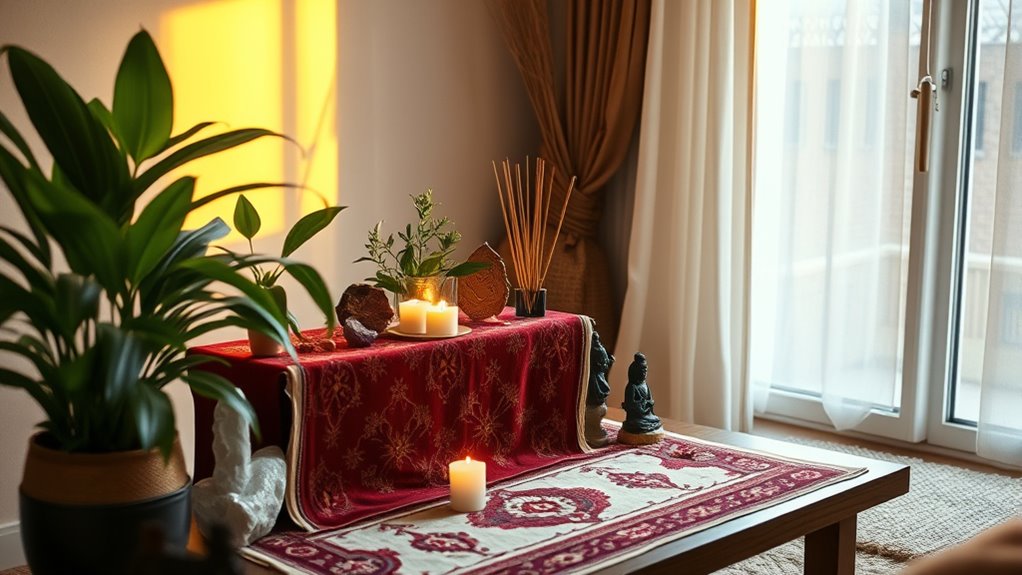

To create a sacred space at home, choose a quiet area with good natural light that minimizes distractions, and clear it of clutter. Add a small altar with meaningful objects like crystals, candles, and symbols that inspire you. Use soft lighting and comfy cushions to promote relaxation. Keep the space intentional, maintained, and evolving to suit your spiritual growth. By staying consistent, you’ll foster a tranquil environment ready to support your inner journey. Keep exploring to discover how to make it truly your own.
Key Takeaways
- Choose a quiet, clutter-free area with natural light to serve as your dedicated reflection space.
- Decorate an altar with meaningful objects like crystals, candles, or spiritual symbols to foster intention.
- Use soft lighting and comfortable seating to create a calming, welcoming environment.
- Minimize distractions and maintain the space regularly to keep it peaceful and conducive to practice.
- Evolve the space over time by updating decorations and routines to reflect personal growth.
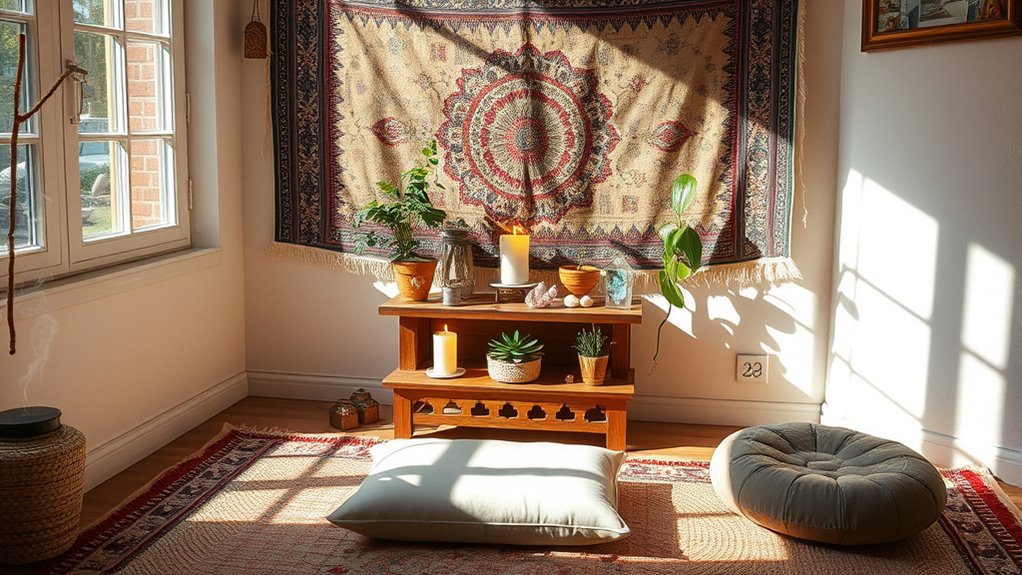
Creating a sacred space at home allows you to cultivate a peaceful environment dedicated to reflection, meditation, or spiritual practice. When designing this space, focus on creating a dedicated area where you feel comfortable and centered. A meditation corner is an ideal starting point. It doesn’t need to be large; even a small, quiet nook can serve as your personal sanctuary. Choose a spot with minimal distractions, good natural light, or a calming view if possible. Clear the area of clutter and set it apart from everyday hustle, signaling that this is your time for inner focus and tranquility.
Creating a peaceful home sanctuary for reflection and spiritual practice.
Once you’ve identified your meditation corner, consider how to enhance its energy with an altar arrangement. An altar acts as a focal point, grounding your practice and serving as a visual reminder of your spiritual intentions. You can use a small table, shelf, or even a dedicated corner wall. Decorate it with meaningful objects—crystals, candles, incense, or spiritual symbols—that resonate with your beliefs. Keep the arrangement simple yet intentional; the goal is to foster a sense of reverence and calm. Regularly updating or re-arranging your altar can also keep your practice fresh and engaging.
Lighting plays a vital role in creating a sacred atmosphere. Soft, warm lighting such as candles or dimmable lamps helps set a tranquil tone. The flickering candlelight not only provides gentle illumination but also invites mindfulness and focus. Incorporate elements like a small rug or cushions to sit comfortably during meditation. Personal touches—images of loved ones, nature-inspired items, or sacred texts—can deepen your connection to the space. Remember, this isn’t about perfection but about making the environment feel welcoming and aligned with your spiritual goals.
Additionally, creating a supportive environment that nurtures your spiritual practice involves minimizing distractions and maintaining a sense of safety and calm in your space.
Consistency is key. Establish a routine that encourages you to spend time in your sacred space regularly. Even a few minutes daily can profoundly impact your sense of peace and clarity. Over time, your space will evolve with you, reflecting your growth and changing practices. Keep it clean and organized, removing anything that no longer resonates. This intentional upkeep ensures that your sacred space remains a true sanctuary, a place where you can reconnect with yourself and your spiritual intentions whenever needed. By thoughtfully creating and maintaining this space, you’re cultivating a haven that nurtures your mind, body, and spirit.

Hatch Restore 3 Sunrise Alarm Clock, Sound Machine, Smart Light (Putty) - White Noise, Screen-Free Sleep Routine
𝗖𝗿𝗲𝗮𝘁𝗲 𝗵𝗲𝗮𝗹𝘁𝗵𝘆 𝘀𝗹𝗲𝗲𝗽 𝗵𝗮𝗯𝗶𝘁𝘀: 𝖱𝖾𝗌𝗍𝗈𝗋𝖾 𝟥 𝗂𝗌 𝖽𝖾𝗌𝗂𝗀𝗇𝖾𝖽 𝗍𝗈 𝗁𝖾𝗅𝗉 𝗒𝗈𝗎 𝖻𝗎𝗂𝗅𝖽 𝖺 𝖻𝖾𝖽𝗍𝗂𝗆𝖾 𝗋𝗈𝗎𝗍𝗂𝗇𝖾 𝗍𝗁𝖺𝗍 𝗊𝗎𝗂𝖾𝗍𝗌 𝗒𝗈𝗎𝗋...
As an affiliate, we earn on qualifying purchases.
Frequently Asked Questions
How Often Should I Refresh My Sacred Space?
You should refresh your sacred space based on your frequency maintenance needs, which typically means updating it every few months or when it starts feeling less inspiring. Seasonal updates are great for keeping the energy fresh; change decorations, lighting, or elements to reflect the seasons. Regularly reassessing your space guarantees it remains a meaningful, empowering sanctuary that nurtures your spiritual practice and brings peace into your daily routine.
Can I Include Digital Elements in My Sacred Space?
Yes, you can include digital elements in your sacred space. Incorporate digital symbols or images that resonate with your spiritual practice, and consider creating virtual altars with meaningful photos, videos, or music. These elements can enhance your connection and intention. Just guarantee they complement your physical space and keep the digital components intentional, fostering a sacred atmosphere that feels authentic and inspiring to you.
What Are Common Mistakes to Avoid When Creating a Sacred Space?
You should avoid clutter to keep your sacred space peaceful and focused. Clutter avoidance helps maintain a calm atmosphere. Also, pay attention to lighting considerations; natural light enhances tranquility, while soft, adjustable lighting creates a warm, inviting environment. Steer clear of harsh, bright lights or overly dark corners. By minimizing clutter and thoughtfully choosing lighting, you create a more meaningful and serene space for reflection and connection.
How Do I Personalize My Sacred Space for Different Energy Needs?
Imagine you need calm and focus; you can personalize your sacred space by incorporating soft lighting and calming scents, aligning the energy for relaxation. Use personalization techniques like adding meaningful objects or symbols that resonate with your intentions. To support different energy needs, you might switch out elements—like crystals for clarity or candles for warmth—ensuring your space continually promotes the desired energy alignment for each unique purpose.
Is It Necessary to Have Specific Rituals in My Sacred Space?
No, you don’t need specific rituals in your sacred space, but incorporating intentional decor and symbolic items can deepen your connection. These elements serve as reminders of your intentions and help you focus your energy. You might light candles, place crystals, or add meaningful symbols to create a mindful environment. Trust your intuition to personalize your space, making it a sanctuary that resonates with your spiritual needs and enhances your practice.
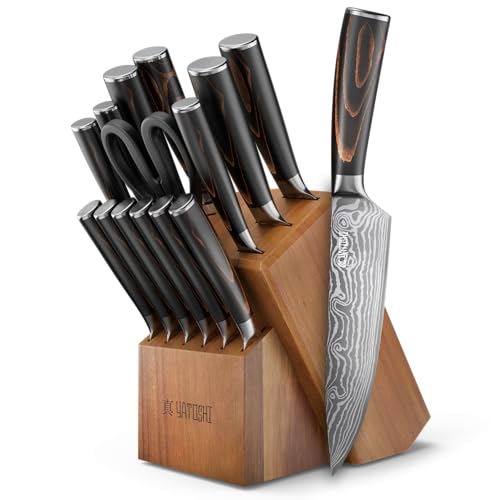
Yatoshi Professional Kitchen Knife Set, 15 Pieces, High Carbon Stainless Steel, Ergonomic Handle
High Carbon Blades: Made with premium 7Cr17 High Carbon Steel that provides a razor-sharp professional quality blade. The...
As an affiliate, we earn on qualifying purchases.
Conclusion
Remember, creating a sacred space at home doesn’t have to be perfect or expensive. Even a small corner with meaningful objects can become your sanctuary. If you think you don’t have time, start with just a few minutes each day—you’ll soon notice how this space helps you feel more centered and peaceful. Making it your own is the key; it’s about what resonates with you, not anyone else’s idea of perfection.
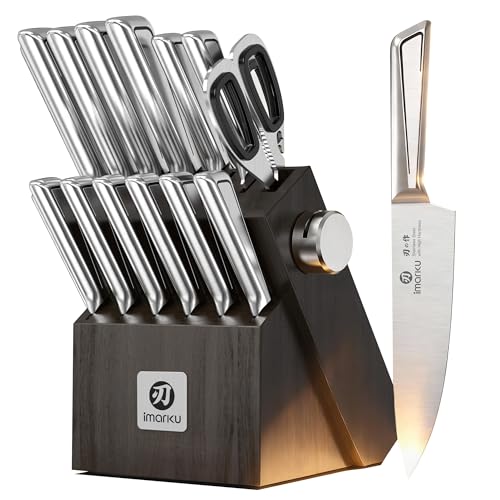
imarku Japanese High Carbon Stainless Steel Knife Set with Block, Precision-Forged Gyutou Kitchen Knives with Built-in Sharpener, Ultra-Sharp 10–15° Edge, Ergonomic Non-Slip Handle, Dishwasher Safe
Precision-Forged for Exceptional Sharpness: Each knife in this imarku kitchen knife set is precision-forged from premium high carbon...
As an affiliate, we earn on qualifying purchases.
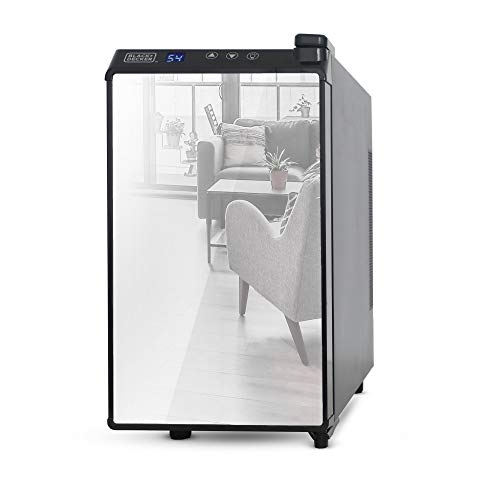
BLACK+DECKER Wine Cooler 8 Bottle,Wine Fridge Thermoelectric with Mirrored Front,Freestanding Wine Cooler Refrigerator &LED Display,BD60326
8 BOTTLE STORAGE: Store up to 8 bottles of your favorite vino with this 22.6-lb. space-saving small wine...
As an affiliate, we earn on qualifying purchases.