

To find clarity through self-inquiry, ask yourself questions like “What am I truly feeling?” or “What do I need right now?” These prompts help you pause, reflect, and uncover your genuine emotions and underlying needs. By regularly exploring these questions, you strengthen your inner voice and make more authentic decisions. If you want to explore more effective prompts, keep going—for deeper insight awaits.
Key Takeaways
- Use prompts like “What am I truly feeling right now?” to identify genuine emotions behind reactions.
- Ask “What is my core need in this situation?” to clarify underlying motivations.
- Reflect with “Where is this feeling coming from?” to explore emotional triggers.
- Consider “What would serve my highest good?” to align decisions with authentic values.
- Inquire “What is my intuition telling me about this choice?” to build trust in inner guidance.

Have you ever felt lost in a sea of confusion, unsure of your next step or your true feelings? It’s a common experience when your mind is overwhelmed with thoughts, doubts, and conflicting emotions. During those moments, developing emotional awareness becomes essential. When you understand what you’re feeling, you gain insight into why you’re reacting a certain way, which directly influences your decision making. By tuning into your emotions, you can distinguish between superficial reactions and genuine needs, helping you make choices that align with your authentic self.
Self-inquiry prompts serve as powerful tools to foster this emotional awareness. Asking yourself questions like, “What am I truly feeling right now?” or “Where is this emotion coming from?” pushes you to pause and reflect. This process of introspection helps you peel back layers of confusion, revealing underlying fears, desires, or concerns that might be clouding your judgment. When you’re aware of your emotional landscape, decision making becomes clearer and more intentional. You stop acting impulsively based on fleeting feelings and instead choose based on a deeper understanding of what’s best for you.
Self-inquiry questions help clarify emotions, revealing fears and desires that guide intentional, authentic decisions.
Asking yourself, “What do I need right now?” or “What is the core issue behind this feeling?” encourages you to dig beneath surface reactions. This awareness creates space for you to consider options more objectively. Instead of reacting out of habit or emotion, you gain the clarity needed to evaluate your choices thoughtfully. Self-inquiry prompts can also reveal recurring patterns or triggers that influence your decisions. Recognizing these patterns allows you to break free from unhelpful cycles and develop healthier responses in the future.
Furthermore, these prompts help you build a stronger connection with your inner voice, which often holds the answers you seek. When you regularly check in with yourself through questions like, “What is my intuition telling me?” or “What feels right in this moment?” you cultivate a deeper sense of trust in your judgment. This confidence enhances your ability to make decisions with conviction, reducing uncertainty and internal conflict. Over time, this practice of self-inquiry sharpens your emotional awareness and improves your decision-making skills, guiding you toward a more centered and authentic life.
In essence, using self-inquiry prompts isn’t just about finding clarity in moments of doubt; it’s about developing a lifelong habit of self-awareness. The more you ask yourself meaningful questions, the better you understand your emotional landscape, and the more empowered you’ll feel to make decisions that truly resonate with who you are. Recognizing the importance of emotional awareness can significantly improve your overall well-being and decision-making process.

The Emotional Intelligence Journal: A Guided Companion for Building Self-Awareness, Emotional Resilience, and Deeper Connections
As an affiliate, we earn on qualifying purchases.
As an affiliate, we earn on qualifying purchases.
Frequently Asked Questions
How Often Should I Use Self-Inquiry Prompts?
You should use self-inquiry prompts daily or several times a week to gain clarity. Incorporate mindfulness techniques to stay present and focused during each session. Journaling methods can help you explore your thoughts deeply; try writing honestly and consistently. Regular practice allows you to recognize patterns and gain insights over time. Adjust the frequency based on how much clarity you seek—more frequent sessions often lead to greater self-awareness and understanding.
Can Self-Inquiry Help Resolve Emotional Conflicts?
They say, “A problem shared is a problem halved.” Self-inquiry can definitely help resolve emotional conflicts by fostering emotional healing and understanding. When you reflect deeply on your feelings and beliefs, you gain clarity, uncover underlying issues, and develop healthier perspectives. This process encourages you to confront and process emotions, making conflict resolution more effective and empowering your journey toward emotional balance.
What if I Feel Stuck During Self-Inquiry?
If you feel stuck during self-inquiry, try using mindfulness techniques to ground yourself and increase emotional awareness. Take deep breaths, focus on your senses, or observe your thoughts without judgment. This helps you stay present and gain clarity. Remind yourself that progress isn’t always linear. Be patient, gentle, and compassionate with yourself, allowing insights to emerge naturally rather than forcing answers.
Are There Specific Prompts for Decision-Making Clarity?
Imagine your mind as a compass guiding you through fog. Use prompts like “What feels most true to me?” or “What aligns with my core values?” to sharpen your intuition development. Clarify your values by asking, “What’s most important in this decision?” or “What will bring long-term fulfillment?” These questions help cut through confusion, giving you clear direction and confidence in your choices.
How Do I Track Progress With Self-Inquiry Practices?
You track progress in self-inquiry by regularly practicing mindfulness meditation and journaling techniques. Set a routine to reflect daily or weekly, noting insights and shifts in your clarity. Use journaling to record your thoughts, questions, and breakthroughs, then review these entries to observe patterns and growth. Mindfulness meditation helps you stay present and aware, making it easier to recognize progress and deepen your understanding over time.
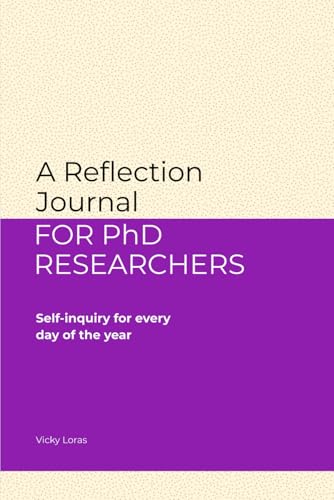
A Reflection Journal For PhD Researchers: Self-inquiry for every day of the year
As an affiliate, we earn on qualifying purchases.
As an affiliate, we earn on qualifying purchases.
Conclusion
As you navigate the maze of your mind, let these prompts serve as lanterns guiding your path. Each question is a key opening hidden chambers, revealing truths concealed behind shadows. Embrace the journey inward, knowing that clarity is the steady lighthouse amid tumultuous seas. Trust that, with patience, your inner compass will realign, turning confusion into a clear horizon—your own compass rose guiding you home to authenticity and peace.

Practicing Mindfulness: 75 Essential Meditations to Reduce Stress, Improve Mental Health, and Find Peace in the Everyday
As an affiliate, we earn on qualifying purchases.
As an affiliate, we earn on qualifying purchases.

Take What You Need: An Affirmation Deck for Tuning in to Your Inner Voice
As an affiliate, we earn on qualifying purchases.
As an affiliate, we earn on qualifying purchases.