

Somatic grounding techniques are simple practices that help you reconnect with your body and stay present during stressful moments. You can do this by focusing on your senses—notice textures, sounds, or temperature sensations around you. Deep breathing and observing your environment help calm your nervous system. Incorporating these exercises regularly builds resilience and emotional stability. If you want to discover more methods to stay grounded, you’ll find helpful tips as you explore further.
Key Takeaways
- Engage the senses by focusing on tactile sensations, sounds, sights, and temperature to anchor yourself in the present moment.
- Use objects like stones or fabrics to explore textures, weights, and temperatures for sensory grounding.
- Practice deep breathing combined with mindful awareness of immediate surroundings to calm the nervous system.
- Incorporate aura awareness to deepen emotional understanding and enhance inner balance through sensory cues.
- Regularly integrate grounding exercises into daily routines to build resilience and maintain emotional stability during stress.

Have you ever felt overwhelmed or disconnected from your body? It’s a common experience, especially during stressful or emotional moments. When this happens, your mind can feel distant from your physical self, making it harder to stay grounded or focused. That’s where somatic grounding techniques come in, helping you reconnect through simple, intentional practices. One effective way to do this is by engaging in mindfulness exercises that emphasize sensory awareness. These exercises encourage you to pay close attention to your immediate environment and your bodily sensations, anchoring you firmly in the present moment.
Start by finding a quiet space where you can sit comfortably. Close your eyes if you’d like, and take a few deep breaths to settle your nervous system. Then, shift your focus to your senses. Notice what you see around you—colors, shapes, or light filtering through the window. Feel the texture of your clothing against your skin or the chair supporting you. Listen to the sounds nearby—perhaps the hum of a fan, distant traffic, or the quiet of your own breathing. Touch and notice the temperature of the air on your skin. These sensory awareness practices help your mind move away from racing thoughts or feelings of overwhelm and instead anchor your attention to tangible, real-world sensations.
Find a comfortable, quiet space and focus on your senses to ground yourself in the present moment.
As you deepen your mindfulness exercises, try to involve more of your senses. For example, hold an object in your hand, like a smooth stone or a piece of fabric, and focus on its texture, weight, and temperature. Notice the subtle variations in its surface and how it feels against your fingertips. This kind of sensory awareness encourages you to stay present, grounding your thoughts in what’s happening right now rather than in worries about the past or future. Incorporating aura awareness into your practice can enhance your understanding of your emotional states and help you achieve a deeper sense of inner balance. Over time, these practices can become a reliable tool to calm your nervous system and foster a sense of stability.
The key is consistency. Incorporate these mindfulness exercises into your daily routine, especially during moments of heightened stress or emotional upheaval. The more you practice tuning into your senses, the more naturally you’ll be able to ground yourself when life feels chaotic. Remember, somatic grounding isn’t about controlling your feelings but about reconnecting with your body’s cues. By strengthening your sensory awareness, you create a foundation of stability that helps you navigate challenges with greater resilience and clarity.

Lifelines Scent-Infused Grounding Stone & Oil Blend – Portable Fidgets for Tweens, Teens & Adults with Essential Oil Blend & Diffusion Stones for Sensory Immersion – Calming Waterless Passive Diffuser
Lifelines Grounding Stone Set: Combine the calming sensory act of fidgeting with scent to help you feel more…
As an affiliate, we earn on qualifying purchases.
As an affiliate, we earn on qualifying purchases.
Frequently Asked Questions
Can Somatic Grounding Replace Therapy?
Somatic grounding can’t fully replace therapy, as clinical guidelines emphasize the importance of holistic mental health treatment. While somatic grounding techniques effectively reduce stress and enhance body awareness, they work best as complementary tools. You should view them as part of a broader therapeutic approach rather than a standalone solution. For lasting change, combine somatic grounding with professional therapy, following evidence-based practices and tailored to your individual needs.
Are Somatic Techniques Suitable for Children?
They say, “You’re never too young to learn.” Yes, somatic techniques can be suitable for children when tailored to their developmental level. Child-friendly methods like gentle breathing, sensory activities, and movement are developmentally appropriate and help kids manage emotions. Always guarantee these techniques are age-appropriate and used under guidance, making them a helpful complement to other support, not a replacement for professional therapy.
How Long Does Each Grounding Session Typically Last?
A typical grounding session lasts about 5 to 15 minutes, depending on your needs and experience level. For daily practice, you might start with shorter sessions, around 5 minutes, and gradually extend as you become more comfortable. Consistency is key, so aim to incorporate these sessions into your daily routine. Regular practice helps reinforce the calming effects and improves your ability to stay present during stressful moments.
Can Somatic Grounding Help With Severe Trauma?
Yes, somatic grounding can help with severe trauma by enhancing your emotional regulation and body awareness. It helps you reconnect with your body, reducing feelings of overwhelm and panic. As you practice regularly, you’ll develop a stronger sense of safety and control, making it easier to manage intense emotions. This approach supports healing, allowing you to process trauma more effectively while fostering resilience and a calmer state of mind.
Is Prior Experience Needed to Practice Somatic Grounding?
You don’t need prior experience to practice somatic grounding. With practical exercises designed for beginners, you can start right away using simple techniques like focusing on your breath or feeling your body’s sensations. Beginner guidance is often provided in resources or classes, making it accessible for anyone. As you practice, you’ll become more comfortable, helping you stay present and calm during stressful moments.
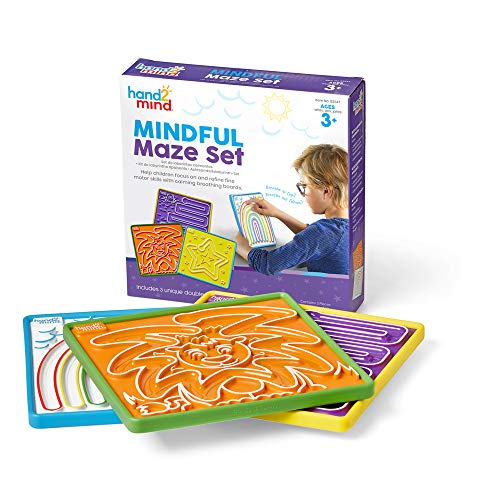
hand2mind Mindful Maze Boards, Tactile Sensory Toys for Toddlers, Calm Down Corner Supplies, Mindfulness for Kids, Occupational Therapy Toys, Quiet Fidgets for Classroom, Sensory Activity Board
STRESS TOYS: Mindful Maze Boards are a screen free way for children to practice self soothing and mange…
As an affiliate, we earn on qualifying purchases.
As an affiliate, we earn on qualifying purchases.
Conclusion
Think of somatic grounding techniques as your personal anchor in turbulent waters. When your mind feels overwhelmed or disconnected, these practices help you reconnect with your body and the present moment. With consistent use, you’ll find stability amid chaos, like a sturdy tree standing firm through storms. Remember, you’re the captain of your own ship—grounding techniques guide you safely back to calm waters whenever you need. Embrace them, and regain your balance with confidence.

Breathing Exercise Device for Lungs, Lung Exerciser Device – Deep Breathing Trainer for Respiratory Health & Recovery
Ideal for adults looking to strengthen their breathing muscles.
As an affiliate, we earn on qualifying purchases.
As an affiliate, we earn on qualifying purchases.

Boao 8 Set Mini Sensory Mats Assorted Textured Play Mats Sensory Floor Tiles Educational Tactile Toys for Activity(4 Inch,Square)
Interactive and Calming Sensory Play: these sensory mat are a way to keep you calm, relaxed and focused,…
As an affiliate, we earn on qualifying purchases.
As an affiliate, we earn on qualifying purchases.