
Feeling uncomfortable with stillness at first is common because your mind and body naturally resist quiet to avoid facing unresolved emotions or memories. When you slow down, thoughts surface, and your body instinctively seeks activity or noise to distract itself. This discomfort signals that you’re touching deep inner feelings or habits. As you continue to explore, you’ll discover that with patience and mindfulness, stillness becomes easier and more rewarding. Keep going, and you’ll uncover more about this process.
Key Takeaways
- The mind and body resist quiet, causing restlessness and discomfort as they are unaccustomed to stillness.
- Silence brings unresolved emotions and thoughts to the surface, which can feel overwhelming initially.
- Resistance to stillness often stems from fear of self-discovery and confronting inner truths.
- Stillness disrupts routines, making unfamiliar emotional and physical sensations more noticeable.
- Early discomfort signals the process of peeling back habits, leading to personal growth and deeper self-awareness.

When you first try to embrace stillness, it can feel surprisingly uncomfortable, almost as if your mind and body resist the quiet. You might notice an initial wave of discomfort or restlessness as your thoughts begin to surface without distraction. This reaction is natural—your mind isn’t used to slowing down, and your body might instinctively seek activity or noise to avoid facing what’s beneath the surface. Stillness challenges your usual routines and pushes you into unfamiliar territory where vulnerability and emotional awareness come to the forefront. It’s in this space that mindfulness practices become essential, helping you gently observe your sensations and thoughts without judgment. Instead of fighting against discomfort, you learn to sit with it, recognizing that it’s part of the process of healing and self-discovery. Incorporating mindfulness techniques can deepen your understanding of how your body responds to silence and calm. Recognizing the importance of emotional awareness helps you stay present with your feelings rather than avoiding them.
By embracing the natural responses of your body, you can gradually reduce the resistance you experience during stillness. As you continue practicing stillness, you’ll start to notice how your emotions surface more clearly. Without the constant distraction of external stimuli, your emotional landscape becomes more visible. This can initially feel overwhelming, especially if you’re used to suppressing or avoiding certain feelings. But by cultivating mindfulness practices, you develop a new kind of relationship with your emotions—one rooted in curiosity rather than avoidance. You learn to observe your feelings with gentle acceptance, allowing them to come and go without clinging or pushing them away. This process gradually reduces the discomfort associated with emotional awareness, making it easier to stay present with whatever arises.
Your resistance to stillness may also stem from a fear of what you might discover about yourself. When you slow down, you give yourself the chance to confront unresolved issues, memories, or fears. Facing these parts of yourself can feel threatening at first, but it’s an essential step toward genuine self-understanding. The discomfort isn’t a sign to retreat; it’s a sign that you’re peeling back layers of habit and conditioning. Over time, as you deepen your mindfulness practices, you’ll find that your mind begins to settle, and the initial resistance lessens. Stillness becomes less about fighting discomfort and more about embracing the present moment with compassion and curiosity. This shift transforms your experience from one of resistance to one of growth.

Florensi Meditation Cushion Grey Velvet Buckwheat Round Yoga Floor Seat
- Comfortable Meditation Seating: Stable and supportive for meditation and yoga
- Buckwheat Filled Cushion: Conforms to your seating for support
- Soft Velvet Cover: Stylish and comfortable surface for daily use
As an affiliate, we earn on qualifying purchases.
As an affiliate, we earn on qualifying purchases.
Frequently Asked Questions
How Long Does It Typically Take to Become Comfortable With Stillness?
It usually takes a few weeks to a few months to become comfortable with stillness. Consistent practice, even just 5-10 minutes of meditation daily, enhances mindfulness benefits and helps you adapt. As you continue, you’ll notice your mind settling more easily. Patience is key; over time, stillness becomes a natural part of your routine, and the initial discomfort fades, revealing deeper relaxation and clarity.
Can Stillness Help With Mental Health Issues?
Yes, stillness can considerably help with mental health issues. Practicing mindfulness benefits your emotional resilience, allowing you to better manage stress, anxiety, and depression. By embracing moments of stillness, you become more aware of your thoughts and feelings, which fosters self-compassion and clarity. Over time, this practice strengthens your mental well-being, helping you respond more calmly to life’s challenges and promoting a healthier, balanced mindset.
What Are Some Common Physical Reactions to Early Stillness Practice?
When you start practicing stillness, you might notice bodily sensations like tense muscles, a racing heartbeat, or a feeling of restlessness. Your breathing patterns may become irregular or shallow as your body adjusts to quietness. These physical reactions are normal and signal your nervous system is responding to the new experience. Over time, with regular practice, these sensations tend to lessen, helping you feel more relaxed and centered.
Is Stillness Suitable for Everyone Regardless of Personality Type?
Stillness isn’t suitable for everyone right away, much like fitting into a new dance. Your personality adaptability and individual preferences influence how you experience it. For instance, extroverts might find it challenging initially, while introverts may embrace it easily. Everyone’s different, so listen to your own comfort level. With patience, even those hesitant at first can discover the benefits of stillness, just like learning a new step in dancing.
How Can I Incorporate Stillness Into a Busy Daily Schedule?
To incorporate stillness into your busy schedule, start with mindfulness techniques like deep breathing or short meditation sessions, even if just for a few minutes. Use time management strategies to carve out dedicated moments, such as during your commute or lunch break. Prioritize these pauses as essential parts of your day, helping you stay grounded, reduce stress, and foster mental clarity amidst your hectic routine.
Conclusion
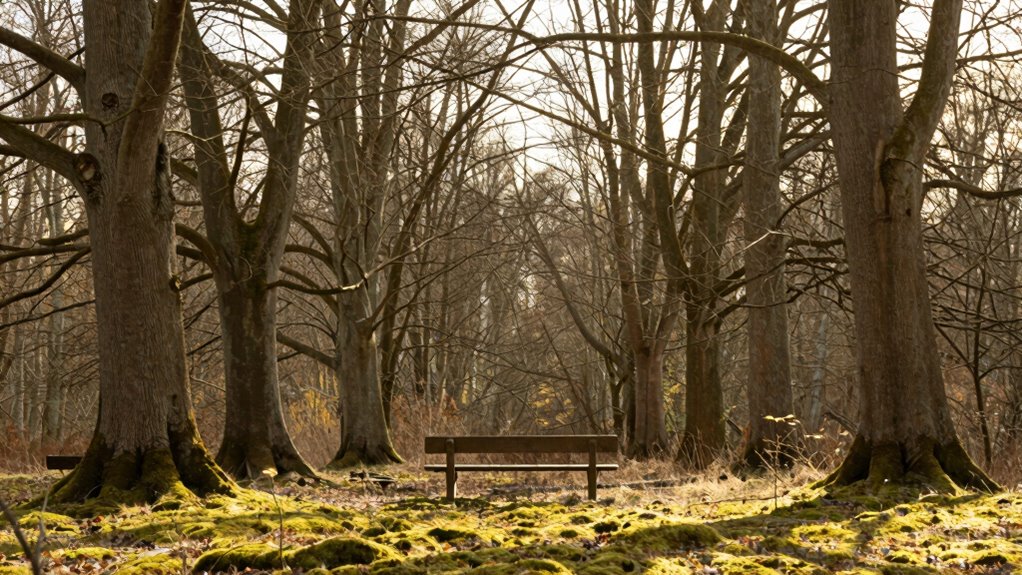
At first, stillness can feel like standing in a quiet, fog-laden forest—you’re unsure of what lies beneath the surface, and the silence can feel overwhelming. But with patience, you’ll begin to notice the subtle beauty in the stillness, like gentle sunlight piercing through the trees. Embracing this calm is like tending a delicate garden; with time, what once felt uncomfortable blooms into clarity and peace, revealing the serenity you’ve been seeking all along.