

Emotional triggers reveal important information because they point to your core needs, fears, and underlying patterns that shape your behavior. When you notice these triggers, you gain insight into what truly matters to you and uncover unresolved issues or unmet needs like respect or validation. Recognizing these signals helps you understand your reactions and take more intentional, healthier steps. Keep exploring, and you’ll discover how understanding your triggers can lead to deeper self-awareness and growth.
Key Takeaways
- Emotional triggers expose underlying needs, fears, or values that influence behavior.
- They highlight recurring patterns, helping identify automatic reactions and their root causes.
- Recognizing triggers fosters self-awareness, enabling intentional and healthier responses.
- External factors influencing emotions reveal environmental patterns affecting personal growth.
- Analyzing emotional signals guides self-reflection and growth, turning triggers into opportunities for resilience.

When you notice strong emotional reactions, they often reveal more than just surface feelings—they provide valuable insights into your underlying needs, fears, and motivations. Emotions are like signals that point to what truly matters to you. Recognizing these signals can help you understand your deeper self and why certain situations trigger intense responses. For example, feeling anger or frustration when someone criticizes you might indicate a need for respect or validation. Similarly, feeling anxious or overwhelmed could reveal fears of failure or losing control.
Your emotional responses are closely tied to your behavioral patterns. The way you act when emotions run high isn’t random; it often follows familiar patterns you’ve developed over time. Perhaps you withdraw when upset, lash out when threatened, or become overly defensive when criticized. These behaviors serve as coping mechanisms, even if they aren’t always helpful or healthy. Recognizing these patterns helps you see the connection between what you feel and how you behave. When you understand the link, you gain the power to change or manage your reactions more effectively. If you notice a pattern of shutting down during conflicts, it might be rooted in a fear of confrontation or rejection. By identifying this, you can work on addressing the underlying fear instead of just reacting automatically.
Understanding why emotional triggers happen allows you to break free from automatic reactions. Instead of being controlled by your impulses, you become more intentional about how you respond. This awareness enables you to pause and reflect before reacting, giving you the chance to choose healthier responses. For instance, if a certain comment consistently triggers defensiveness, examining what’s really underneath that reaction can help you address the root cause—maybe a need for reassurance or a fear of inadequacy. Recognizing emotional signals in your environment can also assist you in creating a safer space for honest communication. Additionally, understanding the concept of behavioral patterns can help you identify recurring responses that may not serve your growth. Recognizing the influence of projectors and other external factors on your emotional responses can further deepen your self-awareness and growth.
By applying insights from personal finance planning, such as goal setting and managing emotional reactions to setbacks, you can foster a more resilient mindset. In addition, learning about sound healing science can provide alternative methods for calming your mind and managing emotional stress. In essence, emotional responses act as messengers. They point you toward unresolved issues, unmet needs, or hidden fears that influence your behavior. By paying attention to these signals, you turn emotional triggers into opportunities for growth. You learn to decode what your feelings are telling you, which then guides you to respond more consciously and compassionately. This ongoing awareness transforms emotional triggers from sources of pain into tools for understanding yourself better and creating healthier, more fulfilling interactions.
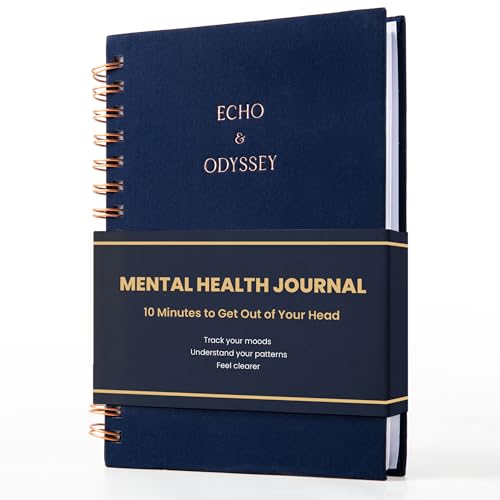
Guided Journal – Mental Health, Anxiety, Depression, Women, Men
- Calms mental clutter in 10 minutes: Daily reflection with guided prompts
- Tracks moods and triggers: Identify patterns and emotional responses
- Supports self-care and mindfulness: Structured prompts for emotional clarity
As an affiliate, we earn on qualifying purchases.
As an affiliate, we earn on qualifying purchases.
Frequently Asked Questions
How Can I Identify My Own Emotional Triggers Effectively?
You can identify your emotional triggers effectively by practicing self-awareness exercises and journaling techniques regularly. Pay attention to moments when you feel strong emotional reactions, then reflect on what sparked those feelings. Write down your thoughts and sensations during these times, helping you recognize patterns. Over time, this process reveals the underlying triggers, enabling you to respond more mindfully and reduce emotional reactivity.
What Are Common Emotional Triggers in Different Relationships?
Did you know that 60% of conflicts in relationships stem from emotional triggers? Common triggers include feeling ignored, criticized, or misunderstood, which shape emotional patterns and influence relationship dynamics. These triggers often arise from past experiences or insecurities, affecting how you respond to others. Recognizing these patterns helps you understand your reactions better, fostering healthier communication and stronger connections with loved ones.
How Do Cultural Differences Influence Emotional Triggers?
Cultural differences profoundly influence emotional triggers because they shape how you express and interpret emotions. By practicing cross-cultural empathy, you become more aware of diverse emotional expressions and avoid misunderstandings. You might find that certain topics evoke strong reactions in one culture but not in another. Recognizing these differences helps you navigate relationships more thoughtfully, allowing you to respond with sensitivity and understanding, fostering deeper connections through respectful emotional expression.
Can Emotional Triggers Change Over Time?
Yes, emotional triggers can change over time as you develop emotional resilience and experience trigger evolution. Your reactions evolve through life experiences, personal growth, and increased self-awareness. You might find that what once triggered strong feelings no longer has the same effect, or new triggers emerge. By understanding this, you can better manage your emotions and respond more thoughtfully, fostering resilience and smoother emotional regulation as you adapt to life’s changes.
What Are the Risks of Misinterpreting Emotional Triggers?
Misinterpreting emotional triggers can lead to misleading miscommunications and misguided management. When you overlook emotional awareness, you risk reacting rashly rather than thoughtfully, which can escalate conflicts or obscure true issues. Proper trigger management involves understanding the roots of your feelings, avoiding assumptions, and responding responsibly. If you misjudge triggers, you might magnify misunderstandings, miss valuable insights, and damage relationships, making emotional clarity essential for healthy interactions and personal growth.
Conclusion
Your emotional triggers are like hidden keys, revealing doors to deeper self-awareness. When you notice what sparks strong feelings, you’re uncovering a map to your core beliefs and unmet needs. Think of these triggers as signals from your internal compass, guiding you through the maze of your mind. Embrace them, and you’ll find the treasure of understanding within, illuminating your path forward with newfound clarity and purpose.