

To rebuild trust in yourself after a setback, start by practicing self-compassion. Recognize your feelings without judgment and be kind to yourself. Break your goals into small, achievable steps and celebrate each success along the way. Reframe mistakes as learning opportunities, and develop consistent routines to reinforce your progress. Surround yourself with positivity and support. With patience and persistence, you’ll strengthen your resilience—if you continue exploring these strategies, you’ll discover even more helpful ways to regain confidence.
Key Takeaways
- Practice self-compassion to accept feelings without judgment and foster emotional resilience.
- Break goals into small, achievable steps to rebuild confidence through consistent success.
- Reframe setbacks as learning opportunities and analyze mistakes without self-blame.
- Establish routines and daily intentions to reinforce reliability and commitment to growth.
- Surround yourself with supportive people and prioritize self-care to strengthen emotional well-being.

Trusting yourself can feel broken after setbacks or mistakes, but it’s entirely possible to rebuild it step by step. The first move is to acknowledge your feelings without judgment. Instead of harshly criticizing yourself for past errors, practice self-compassion strategies that remind you you’re human and deserving of kindness. Recognize that everyone faces setbacks; they don’t define your worth or your ability to grow. When you treat yourself with understanding and patience, you create a foundation for rebuilding confidence.
Next, focus on small, achievable actions that reaffirm your capability. Confidence building exercises are crucial here. Break down larger goals into manageable steps, and celebrate each small success. For example, if you’ve lost trust in your decision-making, start by making simple choices and following through. Each positive outcome will serve as proof that you can rely on yourself again. Over time, these small wins accumulate, gradually restoring your belief in your abilities. Incorporating self-care routines can also help support your emotional resilience and overall well-being during this process. Recognizing the importance of mental health can further enhance your journey toward trust and confidence. Developing emotional resilience is essential for maintaining progress through setbacks and challenges. Additionally, understanding motivational factors behind your goals can help you stay committed and inspired to rebuild your trust.
It’s also important to reframe your mindset around mistakes. Instead of viewing setbacks as failures, see them as learning opportunities. When you make a mistake, analyze what went wrong without self-blame, then determine what you can do differently moving forward. This shift in perspective encourages resilience and helps you see setbacks not as permanent failures but as essential steps in your growth process.
Building trust in yourself involves being consistent. Develop routines that reinforce your commitment to your goals. This could mean setting daily intentions or practicing mindfulness to stay present and centered. When you consistently follow through on these routines, you reinforce your reliability and build inner trust. Over time, this consistency acts as proof that you’re capable of overcoming obstacles and staying true to yourself. Incorporating hydrating ingredients into your self-care routine can support your emotional resilience by improving your overall well-being. Finally, surround yourself with positive influences. Seek out supportive people who uplift you and remind you of your strengths. Their encouragement reinforces your efforts and helps you stay motivated during challenging times. Remember, rebuilding trust isn’t about perfection; it’s about persistence. Every time you choose kindness, take deliberate action, or learn from a setback, you’re strengthening the trust you have in yourself. Trust may have been broken, but with patience, effort, and self-compassion, you can rebuild it stronger than ever.
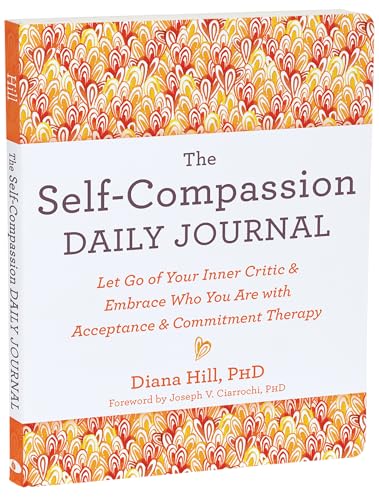
The Self-Compassion Daily Journal: Let Go of Your Inner Critic and Embrace Who You Are with Acceptance and Commitment Therapy (The New Harbinger Journals for Change Series)
As an affiliate, we earn on qualifying purchases.
As an affiliate, we earn on qualifying purchases.
Frequently Asked Questions
How Long Does It Typically Take to Rebuild Self-Trust?
Rebuilding self-trust varies for everyone, but it often takes several months with consistent effort. You should practice self-compassion and avoid harsh self-criticism, acknowledging your setbacks without judgment. Personal accountability helps you learn from mistakes, fostering growth. By focusing on small, achievable goals and being patient with yourself, you’ll gradually restore trust. Remember, healing is a journey, and giving yourself grace accelerates your progress.
Can Rebuilding Trust in Oneself Happen Without External Support?
Yes, rebuilding trust in yourself can happen without external support, as long as you prioritize internal validation and self-compassion. You can nurture your confidence by recognizing your efforts, forgiving mistakes, and celebrating small wins. Focusing inward helps you regain stability and belief in your abilities. Through consistent self-kindness and affirming your progress, you strengthen your trust, creating a resilient foundation that doesn’t rely solely on outside validation.
What Are Common Signs of Low Self-Trust After a Setback?
You might notice self-doubt creeping in more often, making you second-guess your decisions. Negative self-talk becomes frequent, undermining your confidence and amplifying feelings of failure. You may avoid challenges, fearing you’ll fail again, and find it hard to celebrate small wins. These signs indicate low self-trust after a setback, but recognizing them is the first step towards rebuilding your confidence and learning to trust yourself again.
How Do I Stay Motivated During the Rebuilding Process?
To stay motivated during the rebuilding process, practice self-compassion and celebrate small wins. Remind yourself of your strengths with positive affirmations, which boost confidence and help you stay focused. When setbacks happen, treat yourself kindly and recognize progress, no matter how minor. Surround yourself with supportive people and keep your goals realistic. This mindset keeps your spirits high and fuels your motivation to keep moving forward.
Is It Possible to Fully Regain Trust After a Major Failure?
Yes, it’s possible to fully regain trust after a major failure. You can boost your self-esteem by acknowledging your growth and resilience building through setbacks. Focus on small wins to reinforce your confidence, and practice self-compassion during tough times. Over time, these efforts help you rebuild trust in yourself, showing that setbacks don’t define you and that you’re capable of overcoming challenges with persistence and resilience.

Goal Planning Notepad – A5 Goal Setting Journal For Project Action Plan,Task Management, Personal Development & Track Goals. Productivity Notepad For Daily Work & School – 54 Sheets
GOAL PLANNING NOTEPAD – The Goal setting notebook features a highly effective template that will help you to…
As an affiliate, we earn on qualifying purchases.
As an affiliate, we earn on qualifying purchases.
Conclusion
Remember, rebuilding trust in yourself is like tending a delicate garden—you must nurture patience and compassion as new growth pushes through. Every small step you take is a drop of water, helping you bloom again. Though setbacks may seem like storms, they’re only temporary clouds passing by. Trust in your resilience, and soon you’ll find yourself standing tall, roots deep and branches reaching toward a brighter, more confident tomorrow. Keep tending your inner garden—you’re worth the effort.

BEST 100 Daily Meditation Cards | Anxiety Relief Item for Relaxation | Self Care Kit for Stress Relief | Perfect Mindfulness Gift For Teens & Adults | Advance Beyond Positive Affirmations
🌟 100 MINDFULNESS EXERCISES 🌟 This graphic packed mindfulness deck contains 100 cards designed for stress management, anxiety…
As an affiliate, we earn on qualifying purchases.
As an affiliate, we earn on qualifying purchases.

Mind Brain Emotion 52 Essential Coping Skills Cards – Self Care Exercises for Stress and Social Anxiety Relief – Resilience, Emotional Agility, Confidence Therapy Games for Teens, Adults
Build skills, reduce stress: Powerful CBT, meditation, and somatic exercises to become organized, focused, confident. Overcome anxiety, anger,…
As an affiliate, we earn on qualifying purchases.
As an affiliate, we earn on qualifying purchases.