
TL;DR

Turn your quiet moments into listening time
- Thousands of audiobooks, podcasts and originals
- Listen on your phone, tablet or Echo — also offline
- Cancel anytime
Secular people are increasingly trying out spirituality in online ‘backrooms,’ blending secular and spiritual practices. This trend raises questions about belief systems and community formation.
Secular individuals are increasingly engaging with spiritual practices within online ‘backrooms,’ a phenomenon that highlights a shift in personal belief exploration outside traditional religious frameworks. This trend involves secular users experimenting with meditation, mindfulness, and other spiritual activities in anonymous digital spaces, signaling a blending of secular and spiritual identities.
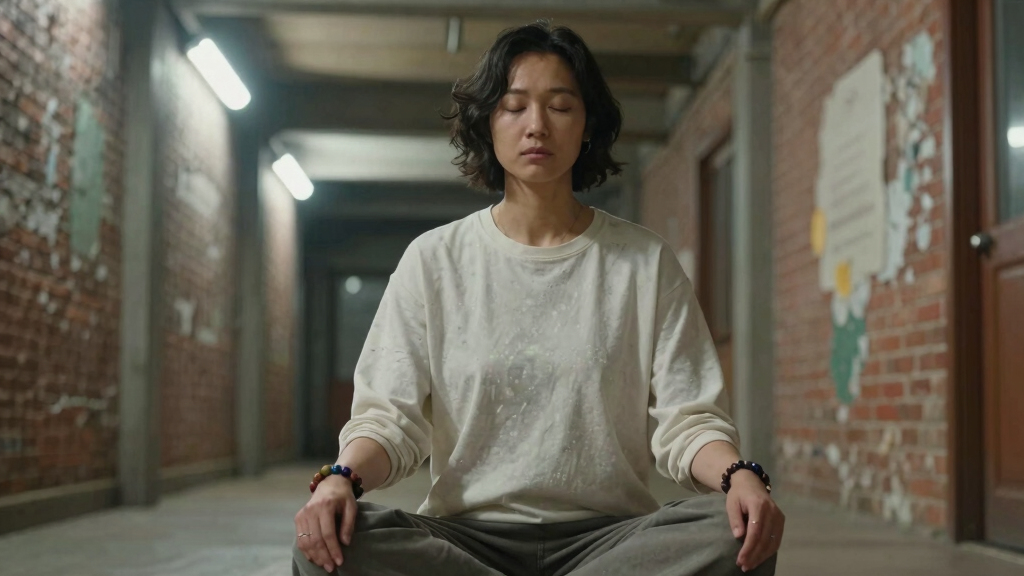
Recent observations indicate that online ‘backrooms’—virtual spaces characterized by anonymous, often surreal environments—are becoming popular venues for secular users to explore spirituality. According to digital ethnographers, these spaces serve as a safe environment for individuals to experiment with spiritual practices without the commitments or dogmas of organized religion. Several community members have reported engaging in meditation sessions, discussions about spiritual experiences, and sharing personal growth journeys within these environments. While the trend is still emerging, some experts suggest it reflects a broader societal shift where personal spirituality is decoupled from traditional religious institutions. Researchers note that this exploration often involves a mix of secular philosophies and spiritual practices, creating hybrid belief systems that appeal to those seeking meaning outside organized faiths. It is not yet clear how widespread this practice is or whether it will lead to sustained spiritual engagement among secular populations.Implications for Personal Belief Systems and Community Formation
This trend matters because it indicates a potential shift in how individuals seek meaning and community outside traditional religious structures. As secular users experiment with spirituality in anonymous online spaces, it could influence future approaches to personal belief, mental health practices, and community building. The blending of secular and spiritual elements may also impact the landscape of religious and spiritual institutions, prompting them to adapt or rethink engagement strategies. Overall, this development underscores evolving attitudes toward spirituality and secularism in the digital age.As an affiliate, we earn on qualifying purchases.
Rise of Digital Spaces for Alternative Spirituality
Over the past decade, online communities have become vital for individuals seeking alternative forms of spirituality, especially among those who identify as secular or non-religious. The concept of ‘backrooms’—virtual environments characterized by endless, often surreal spaces—has gained popularity as a metaphor and actual digital space for experimentation. Experts note that these spaces offer anonymity and freedom from societal judgment, making them attractive for those exploring spiritual practices without the constraints of organized religion. Historically, spiritual exploration has often been linked to physical communities or religious institutions, but the internet now provides a platform for more personalized, eclectic approaches. The recent surge in secular engagement in these spaces reflects broader societal trends toward individualism and spiritual fluidity.“Online ‘backrooms’ are becoming a new frontier for secular individuals seeking spiritual experiences outside traditional religious frameworks.”
— Dr. Emily Carter, Digital Anthropology Expert
Extent and Longevity of Secular Spirituality in Backrooms
It is not yet clear how widespread this practice is among secular populations or whether it will lead to lasting spiritual engagement. The long-term impact on personal belief systems and community structures remains uncertain, as research is still in early stages and data is limited.Monitoring Growth and Impact of Digital Spiritual Practices
Researchers and community monitors plan to observe how this trend develops, including potential shifts in online community dynamics and whether these practices influence offline beliefs. Future studies may explore whether secular spirituality in backrooms translates into sustained personal growth or community formation, and if it prompts changes in traditional spiritual institutions or secular mental health approaches.Key Questions
Why are secular people exploring spirituality online?
Many secular individuals seek personal meaning, mental well-being, or community connection without the commitments of organized religion. Online ‘backrooms’ offer a safe, anonymous space for experimenting with spiritual practices like meditation and mindfulness.
Are these online spiritual practices replacing traditional religion?
Current evidence suggests they are more of an alternative or supplement rather than a replacement. Many participants still identify as secular but enjoy exploring spirituality outside traditional frameworks.
Could this trend influence organized religions?
Potentially. If more secular individuals find value in spiritual practices outside organized religion, religious institutions may need to adapt their engagement strategies or rethink how they attract non-believers.
What are ‘backrooms’ in this context?
‘Backrooms’ refer to virtual spaces characterized by endless, surreal, or anonymous environments where users can interact, explore, and experiment with various practices, including spirituality.
Is this trend limited to certain age groups or demographics?
It is still early to determine specific demographics, but initial observations suggest it appeals primarily to younger adults comfortable with digital environments and alternative belief exploration.
Source: rss
Halloween Picks
halloween
As an affiliate, we earn on qualifying purchases.