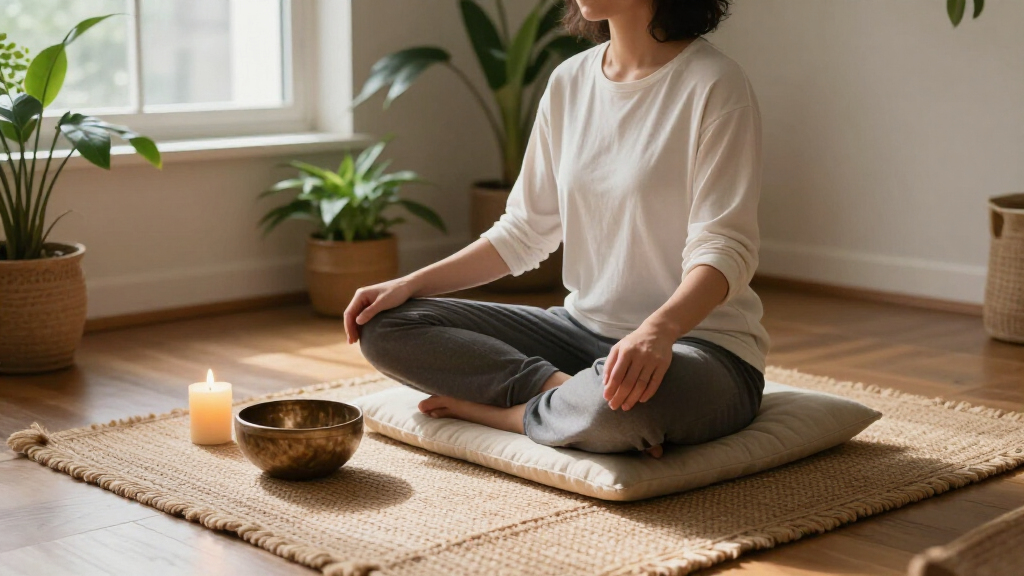

This guide helps beginners choose and use practical meditation and mindfulness tools, such as a timer, guided recording, breathing aid, or journal. You will finish with a tool set up for a short practice and a way to check whether it supports your attention without adding distractions. Allow 10–20 minutes for setup and a first session; the meditation itself can take just 3–5 minutes.

Get books, candles and calm essentials delivered free — and shop member deals
- Fast, free delivery on millions of items
- Access to Prime Big Deal Days deals on October 6–7
- Prime Video, Amazon Music and more included

Mindsight Original Breathing Buddha Guided Visual Meditation
- ✔ Dimensions: 3.5 x 4 x 6 inches
- ✔ Material: Soft silicone
- ✔ Breathing modes: 3

YeeBeny Breathing Lamp – Guided 3-Color Meditation Light for Stress Relief
- ✔ Guided pattern: 4-7-8 breathing cycle
- ✔ Light source: LED
- ✔ Colors: Green, blue, and yellow

Himalayan Healing Tibetan Singing Bowls Set
- ✔ Bowl size: 3 inches
- ✔ Material: Hand-hammered metal
- ✔ Included accessories: Wooden striker and hand-sewn cushion
Difficulty: Beginner | Time: 10–20 minutes to set up and try a first session
What You’ll Need
Tools & Materials:
- A phone, clock, or timer; a dedicated meditation app or audio recording is optional
- A quiet place where you can sit or stand comfortably
- A notebook and pen if you want to record observations
Knowledge:
- No meditation experience required
- Basic ability to use a timer or play audio if using a digital tool
Choose free or built-in tools first. Check app permissions and privacy settings before sharing personal information, and do not use a practice that asks you to ignore pain, dizziness, or distress. Meditation is a self-care practice, not a replacement for medical or mental health care.
Mindsight Original Breathing Buddha Guided Visual Meditation
The Mindsight Buddha earns the top spot because it offers the widest range of guided breathing among the two light-based options. Its three breathing modes give us room to choose a pattern for a short reset or a calmer wind-down, while two brightness levels help the visual cue fit different rooms and times of day. The soft silicone body also gives the device a tactile, approachable quality that can work on a desk, bedside table, or in a classroom.Compared with the YeeBeny lamp, this is the more adaptable choice: the YeeBeny centers on a single 4-7-8 cycle and adds three colors, whereas Mindsight emphasizes switching between breathing modes. Its USB-rechargeable design is another practical advantage over the battery-powered YeeBeny, particularly if we use a light regularly. The stated battery life is based on 10 minutes of daily use, so heavier use will change how often it needs charging.This is still a deliberately simple aid, not a programmable meditation system. There is no sound or timer feature, and the automatic shutoff after three hours does not replace a session timer. Choose it when visible pacing and uncomplicated operation matter more than audio guidance or detailed customization. If we prefer meditation to be led by sound, the singing bowl offers a more ritual-focused alternative, though it requires more self-direction.
Pros:
- Three visual breathing modes offer more choice than the YeeBeny’s focused 4-7-8 cycle.
- USB-rechargeable operation avoids relying on replaceable batteries.
- Two brightness levels help adapt the cue to a desk or dimmer bedside setting.
- Soft silicone and app-free controls keep the experience approachable.
Cons:
- No sound or dedicated timer limits session customization.
- The long battery-life estimate assumes only 10 minutes of use per day.
Best for: Beginners, families, and regular meditators who want several visual breathing patterns in an app-free, rechargeable device.
Not ideal for: People who want spoken or musical guidance, a built-in session timer, or a sound-led meditation ritual.
Bottom line: We recommend the Mindsight Buddha for the broadest, easiest-to-repeat visual breathing practice in this lineup.
“We recommend the Mindsight Buddha for the broadest, easiest-to-repeat visual breathing practice in this lineup.”
YeeBeny Breathing Lamp – Guided 3-Color Meditation Light for Stress Relief
The YeeBeny is the most focused breathing tool here. Rather than offering several patterns like the Mindsight Buddha, it guides a 4-7-8 breathing cycle, which can be helpful when we want one repeatable routine without deciding among modes. Its green, blue, and yellow light also adds an ambient element, making it especially suited to a quiet corner or bedside practice.That narrower approach is the key distinction. The Mindsight device is the better pick when we want options and rechargeable power; YeeBeny makes more sense when a familiar, fixed cycle and color-changing atmosphere are the priority. The soft silicone shade gives it a gentle, tactile feel, and the tabletop format is easy to place near a desk or nightstand. It can support a short pause during the day as well as a bedtime wind-down, but it is not a full meditation curriculum.We should account for its battery-powered design, which may be less convenient for frequent or extended sessions than Mindsight’s USB-rechargeable setup. It is also not water resistant, so it should stay away from humid environments. Compared with the singing bowl, YeeBeny provides more explicit pacing but less of a hands-on, sound-based ritual. It is a good match for users who want the device to show them when to breathe, not for those seeking sound, spoken instruction, or a customized session.
Pros:
- A guided 4-7-8 cycle provides a clear, repeatable breathing structure.
- Three color options add atmosphere beyond the Mindsight Buddha’s visual pacing focus.
- Soft silicone and a neutral tabletop design suit common home settings.
- Portable format can move between a desk and bedside table.
Cons:
- Battery power is less convenient for continuous use than the Mindsight’s USB-rechargeable design.
- The single breathing routine offers less variety than the three-mode Mindsight device.
- Not water resistant, so placement options are limited around moisture.
Best for: People who want a simple 4-7-8 breathing cue with soft ambient color for a desk or bedside routine.
Not ideal for: Frequent users who prefer rechargeable power, people who need multiple breathing patterns, or anyone planning to use a meditation aid in humid spaces.
Bottom line: We would choose YeeBeny when a fixed 4-7-8 pattern and calming color matter more than rechargeable power or multiple modes.
“We would choose YeeBeny when a fixed 4-7-8 pattern and calming color matter more than rechargeable power or multiple modes.”
Himalayan Healing Tibetan Singing Bowls Set
This singing bowl serves a different kind of mindfulness practice from either breathing light. We create the cue ourselves by working the wooden striker against the hand-hammered metal bowl, using its resonant tone to begin, punctuate, or close a quiet session. That makes it the most tactile and self-directed choice in the lineup, and a natural fit for people who already use sound in yoga, meditation, or personal rituals.Compared with the Mindsight and YeeBeny lights, the bowl provides no visual breathing pattern and does not tell us when to inhale or exhale. That is a limitation for newcomers who need structure, but a benefit for experienced meditators who want to set their own pace. Its three-inch size, included cushion, and striker make it a compact set to carry or keep on a small altar. The stated Nepalese origin and hand-hammered construction may also appeal to buyers who value craft as part of the ritual.We should not expect a small bowl to project like a larger instrument. Its volume and reach may be limited, particularly in a group or open space, and the striker can wear over time. Unlike the two electronic devices, it needs no charging or batteries, but it does require some practice to produce a satisfying tone consistently. Pick it for an intentional sound cue and a hands-on ceremony; skip it if we want an easy, step-by-step breathing guide.
Pros:
- Hand-hammered construction and Nepalese origin distinguish it from the electronic breathing aids.
- Wooden striker and hand-sewn cushion are included for use in a meditation ritual.
- Compact three-inch size is convenient for storage and transport.
- Sound can mark the beginning or end of practice without screens or charging.
Cons:
- It offers no breathing pattern or visual guidance, unlike both light-based picks.
- The small bowl may not project enough for larger rooms or groups.
- The wooden striker may wear and eventually require replacement.
Best for: Meditators and yoga practitioners who want a compact sound cue to anchor a self-directed ritual.
Not ideal for: Beginners seeking paced breathing instructions, group leaders who need strong sound projection, or buyers who prefer electronic prompts.
Bottom line: We recommend this bowl for sound-led, self-directed mindfulness, not for anyone who needs breathing prompts.
“We recommend this bowl for sound-led, self-directed mindfulness, not for anyone who needs breathing prompts.”
As an Amazon Associate we earn from qualifying purchases.
Before You Start
Decide what you want the tool to help with: keeping track of time, following instructions, noticing your breathing, or reflecting afterward. Start with one tool rather than downloading several apps or buying equipment. A tool should make it easier to return attention to the present, not make you worry about scores, streaks, or doing the practice perfectly. If focusing on breath feels uncomfortable, use sounds or contact with your feet as your attention anchor instead.
Step-by-Step Instructions
Step 1: Choose one tool for your goal
Match a single tool to the support you need. Use a simple timer if you want a quiet session without spoken guidance. Choose a short guided recording if instructions help you begin. Use a notebook if you want to note what you noticed after practice. If you are curious about a breathing aid, select one that lets you set a comfortable pace and stop easily; you do not need a device to breathe mindfully.
Tip:Skip features that create pressure, such as public rankings or streak reminders, if they distract you or make practice feel like a test.
Check: You can name what the tool is for in one sentence, such as, “The timer helps me practice for five minutes without checking the clock.”
Step 2: Set up a comfortable place
Choose a spot where you can sit or stand safely for several minutes. Put your phone on silent or enable Do Not Disturb, then open only the timer or recording you selected. Sit on a chair, cushion, or other stable seat with your feet supported and your posture relaxed. Keep your eyes open or closed, whichever feels more comfortable.
Tip:Do not force a cross-legged position or sit rigidly upright. Change posture if you feel pain, numbness, or strain.
Check: You are comfortable enough to stay in place briefly, and the selected tool is ready without unrelated notifications on screen.
Step 3: Set a short, manageable session
Set a timer for three to five minutes, or select a guided practice of similar length. Choose a gentle sound or vibration you can notice without startling. If using audio, check the volume before beginning and place the phone where you can hear it without holding it. Start shorter rather than extending the session to meet a target.
Tip:If an alarm sound would interrupt or distress you, use a soft tone or finish with a recording that ends naturally.
Check: The timer or recording is set to the length you chose, and you know how the session will end.
Step 4: Pick a comfortable attention anchor
Choose one ordinary sensation to notice during the practice. You might follow the feeling of your feet on the floor, hear nearby sounds, or notice the natural movement of breathing. Do not try to control your breath or make your mind blank. If breath focus feels unpleasant, switch to sounds or physical contact with the chair.
Tip:People respond differently to meditation. If focusing inward increases panic, traumatic memories, or distress, stop the exercise and orient to the room; consider asking a qualified clinician for guidance.
Check: You have chosen one specific anchor you can return to, such as “the feeling of my feet touching the floor.”
Step 5: Begin the practice and return attention gently
Start the timer or recording, then notice your chosen anchor. When you realize your attention has wandered, silently label the distraction “thinking,” “planning,” or “hearing,” and bring attention back to the anchor. Repeat this whenever needed. You do not need to prevent thoughts or judge how often they appear.
Tip:Wandering attention is a normal part of practice, not evidence that the tool failed. Keep your breathing natural and let your body shift if it needs to.
Check: You spent the session noticing an anchor and returning to it at least once, even if your attention wandered often.
Step 6: Close the session and check the tool’s fit
When the timer ends or the recording finishes, open your eyes if they were closed and notice the room. Take a moment to check how you feel physically and emotionally; do not expect a particular mood. If you are keeping a journal, write one brief note about the tool, session length, and anything you noticed. Decide whether to keep the tool, adjust it, or try another approach next time.
Tip:Use simple observations rather than ratings that turn the session into a performance, such as “I preferred sound as an anchor” or “three minutes felt manageable.”
Check: You can describe whether the tool was easy to use and whether it supported a short period of mindful attention. You have one practical adjustment, if needed.
Common Mistakes to Avoid
- Trying several apps, devices, and techniques in one session. — Start with one tool and one attention anchor. Change only one element after the session so you can tell what helped.
- Expecting meditation to stop thoughts or produce immediate calm. — Treat noticing distraction and returning attention as the practice. Measure completion by participation, not by feeling peaceful.
- Setting a session that is too long or using an uncomfortable posture. — Begin with three to five minutes and use a stable, relaxed position. Shorten or stop the session if discomfort builds.
- Following breath instructions that cause strain or distress. — Let breathing remain natural. Shift attention to sounds or contact with the floor, and stop if distress persists.
Troubleshooting
Problem: The timer or audio does not start, or notifications interrupt the practice.
Solution: Check the device volume, playback controls, and Do Not Disturb settings before restarting. If the device remains distracting, use a basic clock or practice without a timer for a brief period.
Problem: Your mind keeps wandering and you feel you are doing it wrong.
Solution: Notice the thought without criticizing yourself, then return to the chosen anchor. Use a shorter session or a guided recording if a simple cue would help.
Problem: Focusing on breathing makes you uncomfortable or anxious.
Solution: Stop tracking the breath. Open your eyes, notice objects in the room, or feel your feet against the floor. End the session if discomfort continues; seek professional support if this response is recurring or intense.
Problem: An app’s reminders, tracking, or subscription prompts distract you.
Solution: Turn off nonessential notifications, use a built-in timer, or choose a tool with fewer features. Do not enter sensitive information unless you have reviewed the service’s privacy practices.
What Success Looks Like
The task is complete when you have selected a tool that serves a clear purpose, set up a comfortable place and a short session, and used the tool to return attention to a present-moment anchor. Success does not require an empty mind, perfect concentration, or a calm feeling. You should be able to identify one thing that worked and one adjustment to try next time, if any.
Next Steps
Repeat the same short practice on a few days before deciding whether to change tools. Keep the session length comfortable and make only one adjustment at a time, such as trying a different anchor or turning off a reminder. If the tool adds pressure, remove it or switch to a simple timer or unstructured noticing. Stop practices that repeatedly cause significant distress, and consult a qualified health professional if you need support choosing a safe approach.
Frequently Asked Questions
Do I need a meditation app to practice mindfulness?
No. A quiet place, a chosen attention anchor, and a clock or short period of time are enough. An app or recording is optional guidance, not a requirement.
Which meditation tool should a beginner start with?
Choose the simplest tool that addresses your main need. A timer can support independent practice; a short guided recording can provide prompts; a notebook can help you reflect afterward. Try one before adding others.
How long should my first session be?
Start with three to five minutes. A brief session is easier to repeat and gives you time to learn whether the tool and posture feel comfortable. Extend it only if you want to and remain comfortable.
What should I do if I cannot focus?
Expect attention to wander. Notice where it went, then return to your anchor without judging yourself. If breath focus is difficult, use sounds or the feeling of your feet on the floor.
Are breathing devices or meditation apps necessary for health benefits?
No single tool is necessary, and tools do not guarantee a health outcome. Choose based on usability and comfort. Treat meditation as a self-care practice rather than a substitute for medical or mental health treatment.
Halloween Picks
halloween
As an affiliate, we earn on qualifying purchases.