

Co-creation in everyday life means working together with others to solve problems, share ideas, and make decisions that benefit everyone. It involves collaborating on tasks like planning vacations, problem solving at work, or starting community projects. By valuing different perspectives and using tools like apps or good communication, you can create better solutions and stronger connections. If you want to learn more about how co-creation can transform your daily interactions, keep exploring how it works in real life.

Turn your quiet moments into listening time
- Thousands of audiobooks, podcasts and originals
- Listen on your phone, tablet or Echo — also offline
- Cancel anytime
Key Takeaways
- Co-creation involves collaboratively developing solutions, ideas, or experiences in daily interactions and tasks.
- It emphasizes sharing perspectives and pooling efforts to achieve better outcomes than working alone.
- Examples include family planning, workplace problem-solving, and community projects.
- Valuing diverse viewpoints enhances creativity and results in more sustainable solutions.
- Using tools like digital platforms and active listening fosters shared responsibility and stronger relationships.
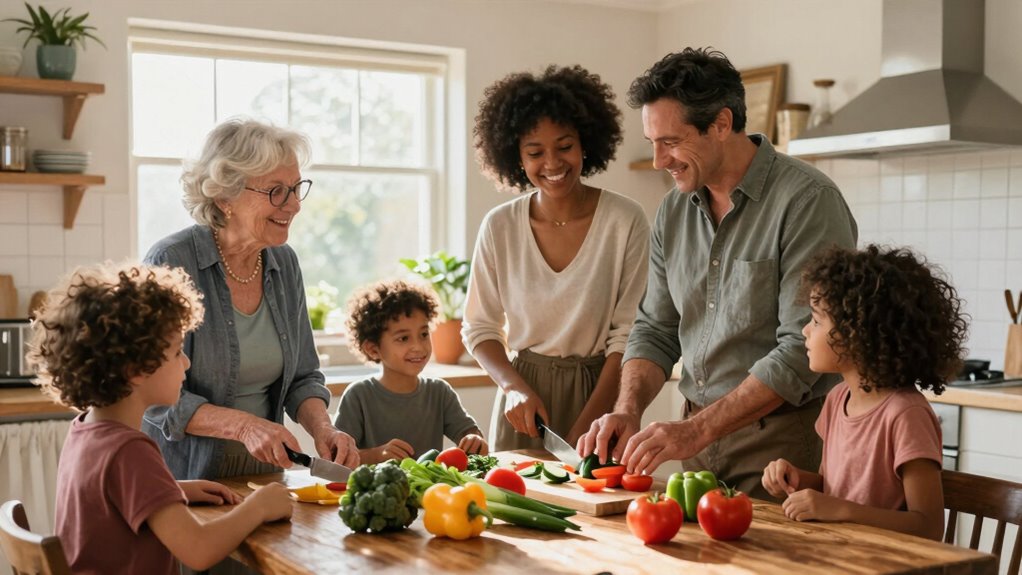
Co-creation isn’t just a concept reserved for big projects or business innovation; it’s a powerful force shaping your daily life. At its core, co-creation means working together with others to create solutions, ideas, or experiences that benefit everyone involved. It’s about more than just sharing tasks; it’s about engaging in collaborative problem solving and shared decision making. When you embrace this approach, you recognize that your perspective is one piece of a larger puzzle. By pooling your ideas and efforts with others, you can come up with better solutions than you could alone.
In everyday situations, co-creation often shows up in how you solve problems with family, friends, or colleagues. Instead of trying to fix things on your own, you invite others to participate in the process. For example, when planning a family vacation, you might sit down together to decide on destinations, activities, and budgets. This shared decision making not only ensures everyone’s preferences are considered but also makes the experience more enjoyable and meaningful. Similarly, in the workplace, teams engage in collaborative problem solving to address challenges or develop new projects. When everyone contributes their insights, ideas flow more freely, and innovative solutions emerge.
Co-creation also involves valuing different perspectives. You recognize that each person brings unique experiences and knowledge to the table. This diversity enriches the decision-making process and leads to more well-rounded outcomes. When you approach problems with an open mind and encourage others to share their thoughts, you’re fostering an environment where creative solutions thrive. This collective effort often results in solutions that are more sustainable and effective because they reflect the needs and insights of all involved. Additionally, understanding the emerging trends in content creation can inspire new ways to collaborate and innovate together. Exploring art and culture as a form of co-creation can also deepen your appreciation for how collective efforts shape societal narratives and shared identities.
Beyond formal settings, co-creation can be as simple as working on a community project or even collaborating on a household task. When you involve others early in the process, you create a sense of ownership and shared responsibility. This not only makes tasks easier but also strengthens relationships. You learn to listen actively, negotiate differences, and build consensus—all essential skills for effective collaborative problem solving and shared decision making. Incorporating technology tools, such as collaborative apps or platforms, can further enhance this process by streamlining communication and idea sharing.
Ultimately, co-creation in everyday life transforms how you interact with others. It shifts your mindset from individual effort to collective action. By engaging in shared decision making and collaborative problem solving, you unlock the potential for better ideas, stronger connections, and more satisfying outcomes. It’s about recognizing that you don’t have to do everything alone; together, you can create more meaningful and impactful solutions.
digital collaboration tools for team projects
As an affiliate, we earn on qualifying purchases.
As an affiliate, we earn on qualifying purchases.
Frequently Asked Questions
How Can I Start Co-Creating With Others in My Community?
To start co-creating with others in your community, get involved in local events or groups focused on shared interests. Encourage community engagement by listening actively and sharing your ideas. Collaborate on projects that promote shared innovation, like neighborhood gardens or art initiatives. By fostering open communication and valuing diverse perspectives, you build trust and momentum for co-creation, making your community stronger and more vibrant through collective efforts.
What Are Common Challenges Faced in Everyday Co-Creation Efforts?
You might find that power dynamics and communication barriers are your biggest hurdles. Like a team trying to build a puzzle, sometimes certain voices dominate, leaving others unheard. These challenges can cause misunderstandings, making collaboration difficult. You’ll need to foster open dialogue and equal participation, ensuring everyone’s perspective counts. Overcoming these obstacles helps create a more inclusive environment where co-creation thrives, making collective efforts more successful and fulfilling.
How Does Co-Creation Differ From Collaboration or Teamwork?
Co-creation differs from collaboration or teamwork by emphasizing shared innovation and collective creativity. When you co-create, you actively engage with others to develop new ideas, solutions, or products collaboratively, often sharing ownership and responsibility. Unlike teamwork, which may focus on individual roles within a group, co-creation involves a deeper partnership where all participants contribute equally to shape outcomes, fostering a more innovative and inclusive process.
Can Co-Creation Be Applied in Personal Relationships?
Yes, you can definitely apply co-creation in personal relationships. By focusing on mutual understanding and working towards shared goals, you foster deeper connection and collaboration. Instead of just solving problems individually, you and your partner actively create solutions together, strengthening trust and intimacy. This approach encourages open communication, empathy, and teamwork, making your relationship more resilient and fulfilling as you grow and evolve side by side.
What Tools or Platforms Facilitate Daily Co-Creation Activities?
You can use digital collaboration tools and creative platforms like Google Docs, Trello, or Miro to facilitate daily co-creation activities. These platforms enable real-time collaboration, idea sharing, and project management, making it easy to work together with others. Whether you’re planning a project, brainstorming, or solving a problem, these tools promote seamless interaction, foster creativity, and help you stay organized while co-creating in everyday life.
Conclusion
So, next time you’re sharing ideas or collaborating with others, remember—co-creation isn’t just a fancy term. It’s the everyday magic that happens when you listen, contribute, and connect. Sometimes, it’s the smallest exchange that sparks something bigger, a coincidence turning into a shared moment of innovation. Embrace these moments, because in doing so, you’re shaping your world, one little co-creation at a time. It’s all happening right here, right now.
Halloween Picks
halloween
As an affiliate, we earn on qualifying purchases.